

A remarkable sketch dating back 417 years by Johannes Kepler has shed new light on a long-standing solar mystery. Created in 1607, the drawing reveals sunspots that provide valuable clues about the Sun’s behavior during the Maunder Minimum.
The Maunder Minimum, spanning from 1645 to 1715, was an unusual era marked by a near absence of sunspots, which are key indicators of solar phenomena like magnetic fields and solar flares. This extended quiet period puzzled scientists because it interrupted the Sun’s typical cyclical activity.
Since detailed solar observations with telescopes were rare during that era, historical data was limited. Kepler’s overlooked sketch now offers crucial evidence to fill this gap in knowledge.

Kepler’s Sunspot Observations
Though primarily celebrated for his planetary motion laws, Johannes Kepler also contributed notable solar observations. In 1607, he documented sunspots using a basic camera obscura.
Initially, he speculated that the dark spots were caused by Mercury passing in front of the Sun, but contemporary analysis featured in The Astrophysical Journal Letters has confirmed the markings were indeed sunspots—marking the earliest known instrumental record of these features. In 2024, researchers from Nagoya University revisited these historic drawings.
“Since this record was not a telescopic observation, it has only been discussed in the context of the history of science and had not been used for quantitative analyses for the solar cycles in the 17th century,” explained Hisashi Hayakawa of Nagoya University, who led the study, in a statement.
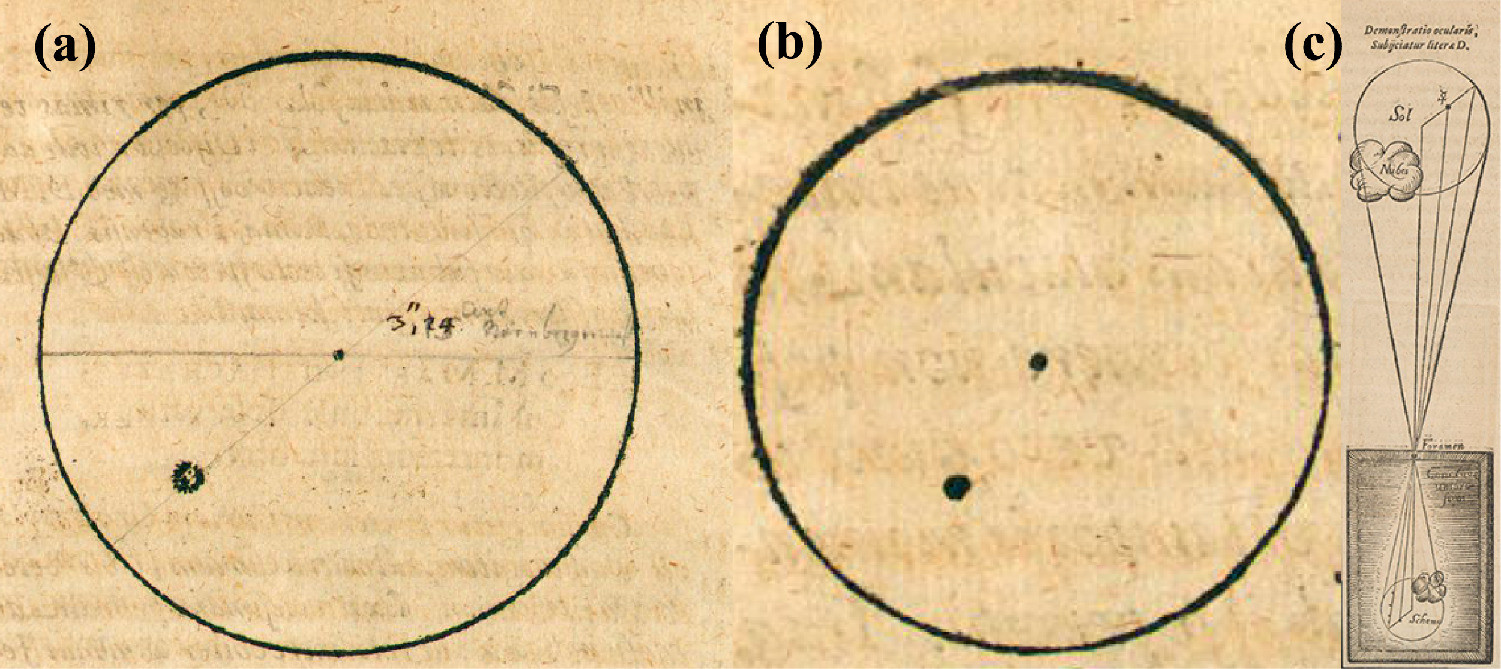
The researchers determined that Kepler’s observations occurred near the conclusion of Solar Cycle -13, just before the onset of the Maunder Minimum. Up until now, solar cycle data from this period mainly came from tree-ring analysis, which has notable limitations.
Kepler’s detailed sunspot drawings help clarify the Sun’s activity around this crucial time, enabling scientists to refine the chronology and better comprehend the approach of the Maunder Minimum.
Illuminating the Maunder Minimum Mystery
During Kepler’s era, the telescope was a recent invention, and solar study methods were primitive. The analysis of his sunspot sketches now offers a clearer understanding of solar dynamics in the early 1600s. As study leader Hayakawa notes:
“By situating Kepler’s findings within broader solar activity reconstructions, scientists gain crucial context for interpreting changes in solar behavior in this pivotal period marking a transition from regular solar cycles to the grand solar minimum.”
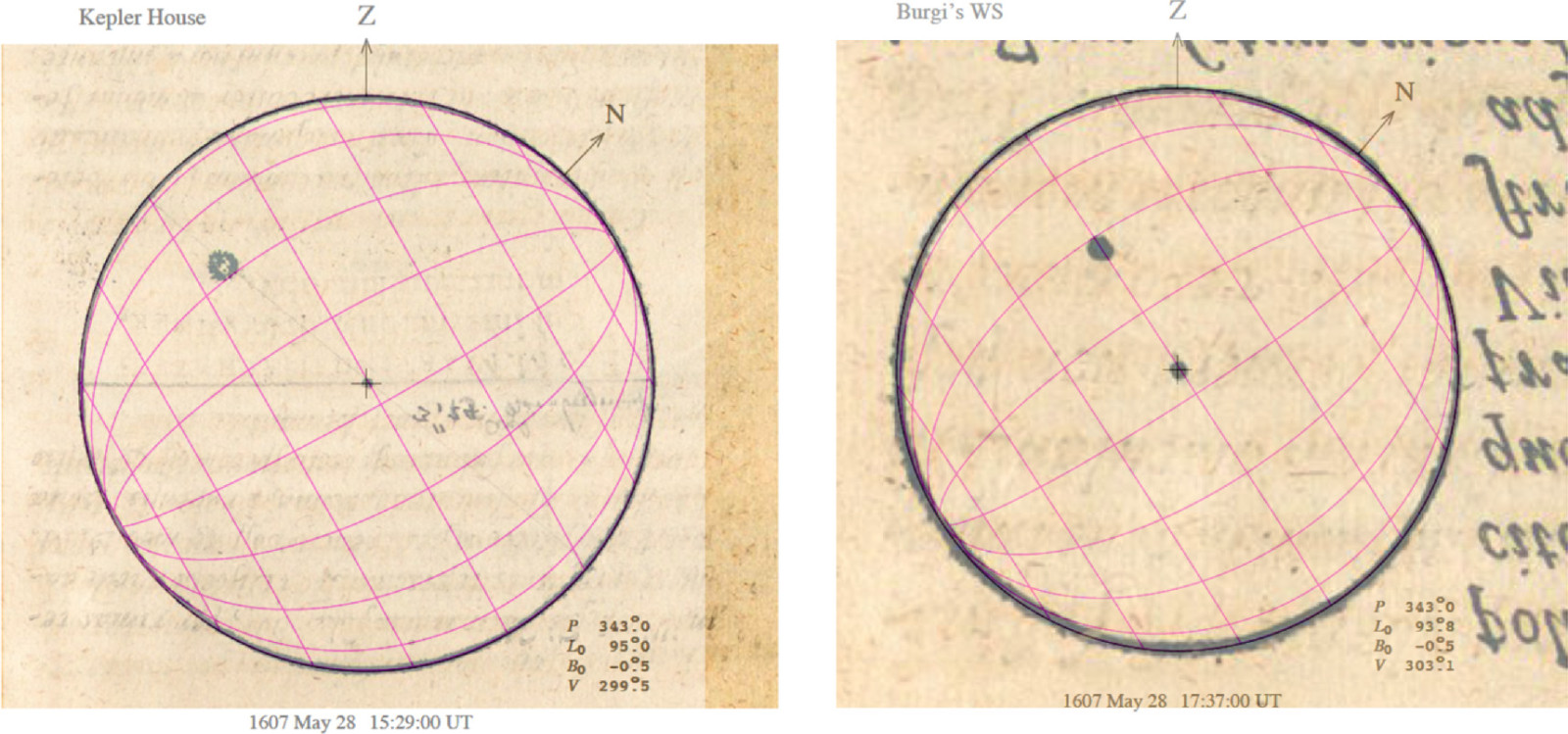
Although tree-ring data has been instrumental in reconstructing solar activity by tracking variations in cosmic rays, it occasionally provides inconsistent results. Kepler’s records offer a more direct and precise timeline for changes in solar cycles.
“Kepler’s sunspot records predate the existing telescopic sunspot records from 1610 by several years. His sunspot sketches serve as a testament to his scientific acumen and perseverance in the face of technological constraints,” added Hayakawa.
- Categories:
- Science












0 comments
Sign in to Comment