
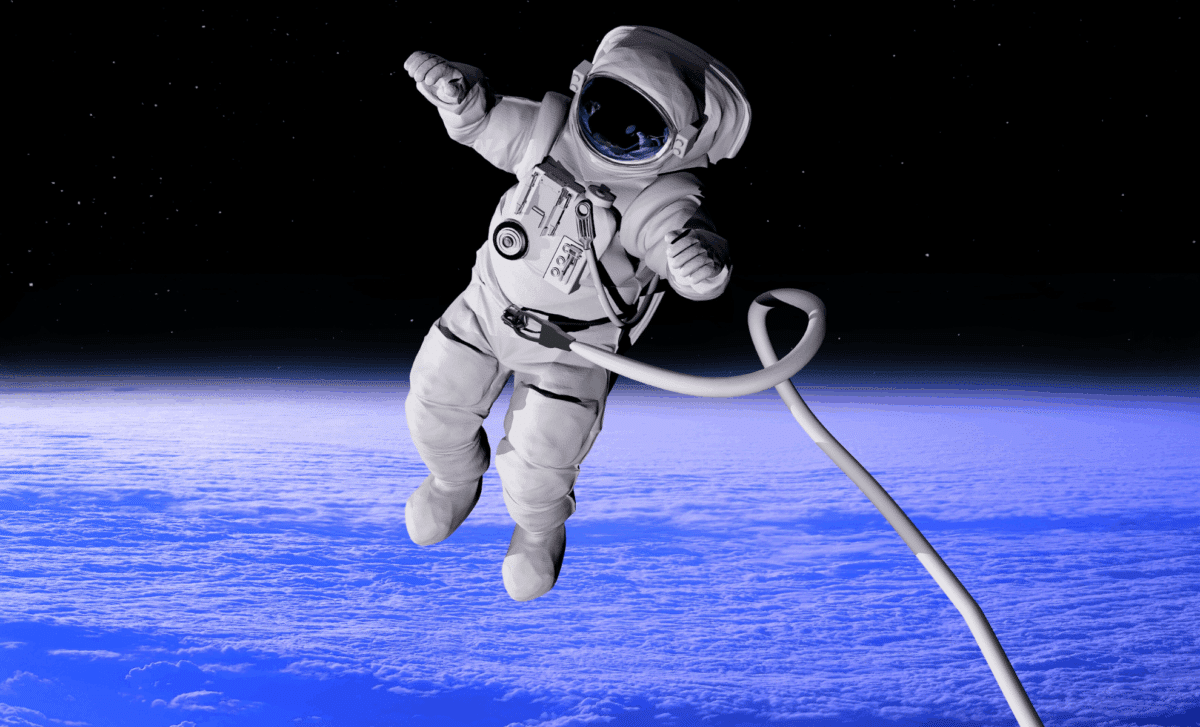
New findings reveal that human stem cells experience hastened aging after spending time in space, raising critical concerns about the biological challenges posed by prolonged space missions. Published in Cell Stem Cell, this study emphasizes the urgency of developing protective strategies for astronauts traveling to destinations such as the Moon and Mars.
Spaceflight Triggers Premature Cellular Aging in Human Stem Cells
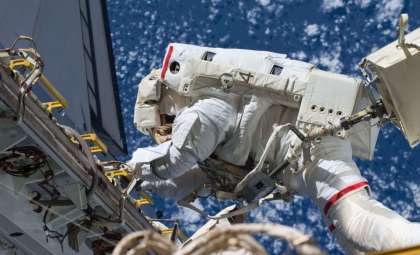
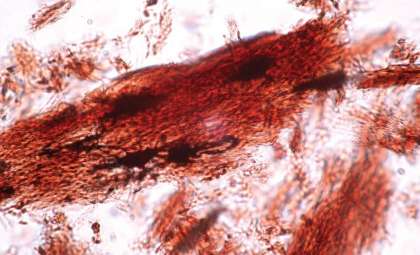
Scientists at the University of California San Diego (UCSD) conducted an experiment in which human hematopoietic stem and progenitor cells were transported to the International Space Station (ISS) for a period spanning 32 to 45 days. These stem cells play a vital role in generating blood cells and supporting the immune system. Upon their return to Earth, researchers detected notable alterations: the cells rapidly depleted their energy stores, found it difficult to enter a resting phase, and exhibited elevated activity in normally inactive repetitive DNA regions.
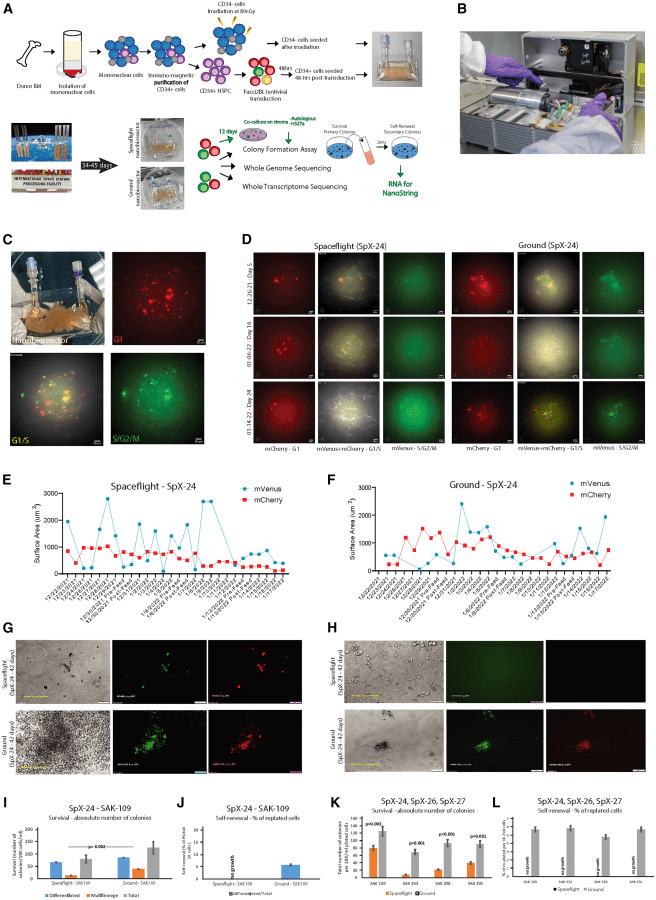
The data indicate that the stem cells underwent accelerated aging processes. In the microgravity environment, standard regulatory signals for cellular metabolism and dormancy are disrupted. This situation simulates what would normally take years of aging on Earth within only a few weeks, pointing to space travel as a catalyst for enhanced cellular aging within hematopoietic and immune systems. These insights are particularly alarming for long-duration missions where the body's regenerative functions could be at serious risk.

Substantial Genomic Damage and Stress Markers Detected in Space-Exposed Cells
Detailed in the Cell Stem Cell journal, this investigation offers one of the most comprehensive evaluations of stem cell responses to the challenges of microgravity and space radiation. A remarkable observation was the increased activation of genomic repetitive elements, evolutionary remnants of ancient viruses typically kept silent. Their activation signals heightened cellular stress.
Additional changes included shifts in mitochondrial function, upregulation of genes linked to inflammatory responses, and shortening of telomeres, the chromosome end structures that degrade with biological aging. The combined evidence of telomere attrition, inflammatory gene activation, and patterns of mutations commonly seen in aging supports the conclusion that stem cells rapidly age under orbital conditions. Some mutations resemble those associated with clonal hematopoiesis, a condition that can precede blood cancers and cardiovascular disorders.
Healthy Earth Conditions Partially Reverse Aging Effects in Stem Cells
Encouragingly, when the affected stem cells were returned to a nurturing and youthful environment on Earth, many negative effects diminished. The cells partially restored their ability to renew themselves, and stress-related gene expressions moved closer to normal levels. This suggests promising avenues for treatments or interventions aimed at supporting astronaut health during future space journeys.
The findings also highlight the importance of thorough screening before flights to select individuals with greater inherent resilience to the cellular stresses encountered in space. The reversibility of some cellular damage raises hopes that advances in pharmacology or gene editing could one day protect stem cell health over long-term missions to Mars and beyond.
Corroboration with Previous Studies Reinforces Biological Risks of Spaceflight
This research aligns with prior investigations, including the renowned NASA Twins Study, which tracked genetic and physiological changes in astronaut Scott Kelly during a year aboard the ISS. The molecular alterations identified—such as shifts in immune function, gene expression alterations, and telomere behavior—mirror the key stress indicators documented in this stem cell study.
Furthermore, insights from the Space Omics And Medical Atlas, a comprehensive database compiling biological data from multiple astronaut missions, reveal consistent patterns of inflammation, mitochondrial distress, and genomic instability. Collectively, these data strengthen the growing evidence that microgravity and cosmic radiation pose significant cumulative threats to human biology during extended space travel.
- Categories:
- Science



0 comments
Sign in to Comment