
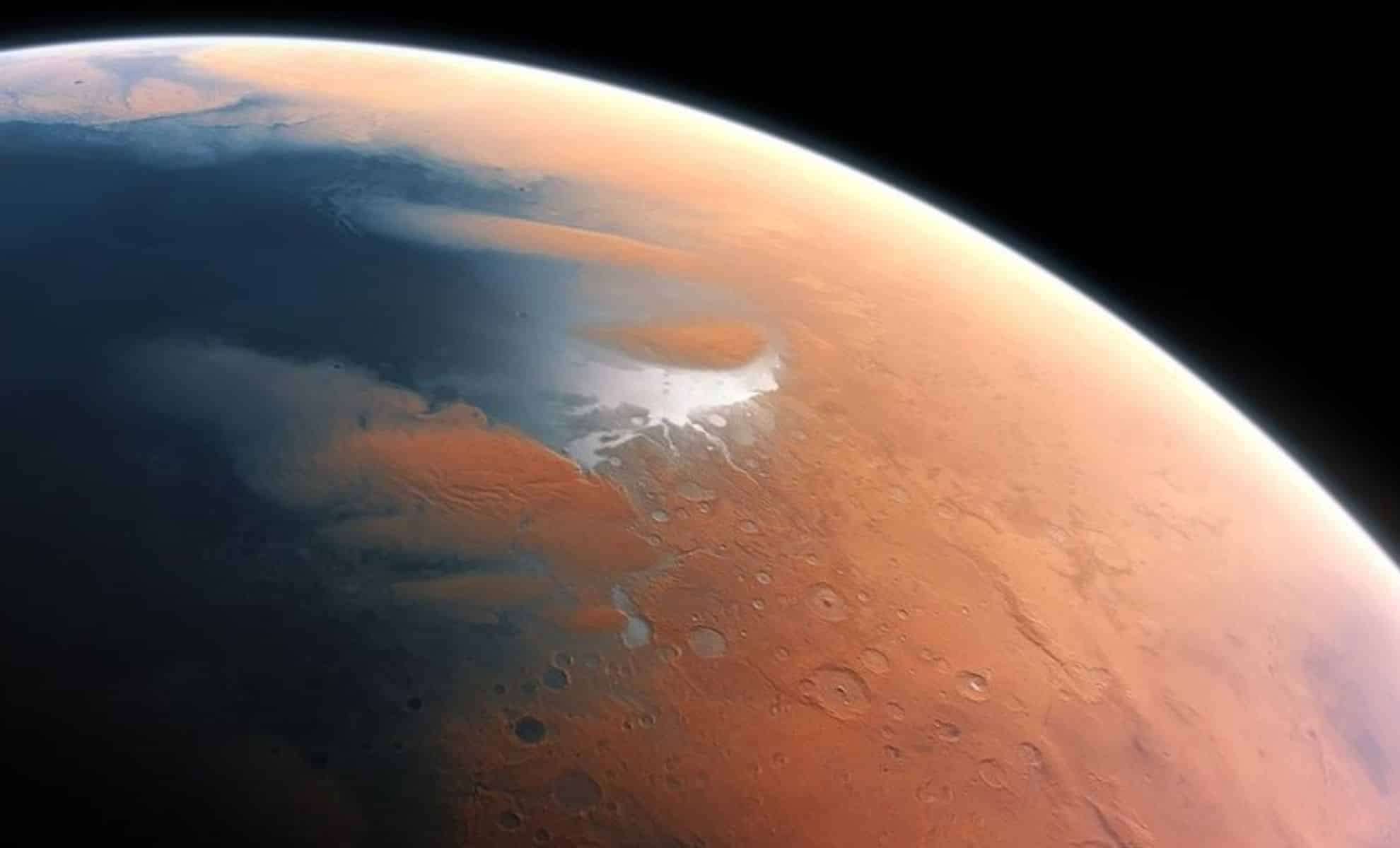
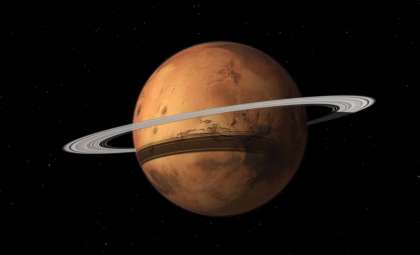
Mars has fascinated scientists and space enthusiasts alike due to ancient signs of flowing water, such as dried riverbeds and lake sediments. But what led to the disappearance of water on the Red Planet? A recent investigation published in Nature on July 2, 2025, introduces a novel hypothesis. It suggests that Mars’ shift from a potentially life-supporting planet to the frigid, barren world we see now was caused by brief warm spells triggered by increased solar luminosity, which were too short to establish lasting habitable conditions. The study, headed by planetary scientist Edwin Kite from the University of Chicago, examines how these transient warm intervals failed to maintain a stable climate, with Mars naturally reverting to arid, desert-like states.
Why Mars and Earth Have Such Different Climates
Although Mars shares several geological traits with Earth, their environmental histories have diverged dramatically. Earth has maintained stable conditions conducive to life for billions of years, while Mars quickly transformed into a dry, cold desert. “The question of why Earth remains habitable while Mars lost its potential has puzzled scientists for decades,” said Edwin Kite, associate professor of geophysical sciences. The study suggests that, while Mars may have temporarily sustained liquid water, such warm phases happened rarely and did not last. In contrast to Earth’s climate stability, Mars’ atmosphere and surface conditions favored rapid drying out and cooling.
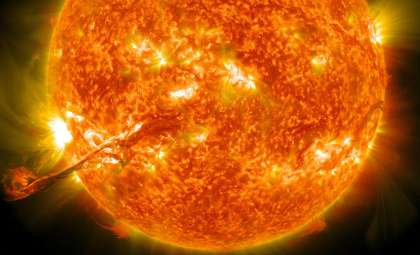
The key factor appears to be the sun’s slow brightening over millions of years. As solar output increased, Mars experienced occasional warm episodes where liquid water was possible, but the lack of sustained geological processes like Earth’s volcanic carbon cycle meant Mars couldn’t maintain atmospheric warmth. This new model helps explain why Mars’ surface has been dominated by cold, dry conditions for much of its recent history.

Carbonate Minerals Trace Mars’ Atmospheric Changes
NASA’s Curiosity rover has played a crucial role in decoding Mars’ climatological past by detecting rocks rich in carbonate minerals. These minerals form when water interacts with carbon dioxide, acting as a record of the planet’s once denser atmosphere. “Scientists have long sought evidence of where Mars’ atmosphere went,” Kite remarked. The carbonate deposits indicate that Mars once had a thick layer of greenhouse gases, including carbon dioxide, but over time much of this carbon was sequestered into rocks, thinning the atmosphere drastically.
The discovery of these carbonates by Curiosity provides important proof that Mars’ atmosphere was transformed during watery periods when carbon dioxide was locked into minerals. As Kite explains, “Mars preserves clues about its environmental collapse right in its rock record,” enabling researchers to reconstruct a timeline of atmospheric evolution. The study highlights how these warm intervals contributed to trapping carbon dioxide in rocks, accelerating the transition to a cold desert.
Mars’ Lack of Volcanic Activity Accelerated Atmospheric Loss
Unlike Earth, the Red Planet has experienced minimal volcanic activity in its recent past. This absence is fundamental to understanding why Mars failed to sustain a thick atmosphere capable of supporting liquid water. “On Earth, volcanic eruptions continually replenish atmospheric carbon dioxide, but Mars’ volcanic activity is currently dormant, and the rate of outgassing is very low,” Kite explained. Without active volcanoes, there is no natural mechanism to replace carbon dioxide lost during the planet’s warmer periods.
Consequently, any surface water on Mars would rapidly remove remaining carbon dioxide from the atmosphere, pushing the planet towards colder, drier conditions. The lack of volcanic carbon release means Mars could not maintain greenhouse warming necessary for long-term habitability. Instead, the planet underwent repetitive cycles of short-lived wet phases followed by extended dry and frozen eras lasting hundreds of millions of years.
Mars Rovers illuminate the Planet’s Hidden History
The chemical and mineral analyses performed by rovers like Curiosity have been instrumental in uncovering Mars’ climatic secrets. “Direct surface exploration is essential for understanding these processes,” stated Benjamin Tutolo, co-author of the study and professor at the University of Calgary. Alongside other NASA missions, data from these robotic explorers have deepened scientists’ grasp of how Mars’ environment evolved over geological timescales.
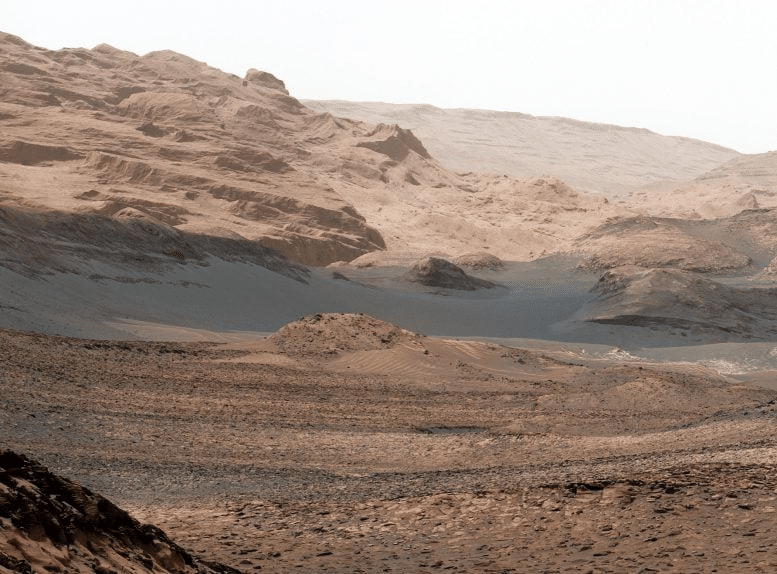
Currently, two plutonium-powered rovers are active on Mars, accompanied by numerous orbiters, marking what Kite describes as “a golden age for studying Mars.” These technologies allow ongoing discoveries that refine our knowledge of how Mars transitioned from a wetter world to the frozen desert known today. Future research aims to improve our understanding of planetary habitability and the potential for life beyond Earth.
- Categories:
- News






0 comments
Sign in to Comment