
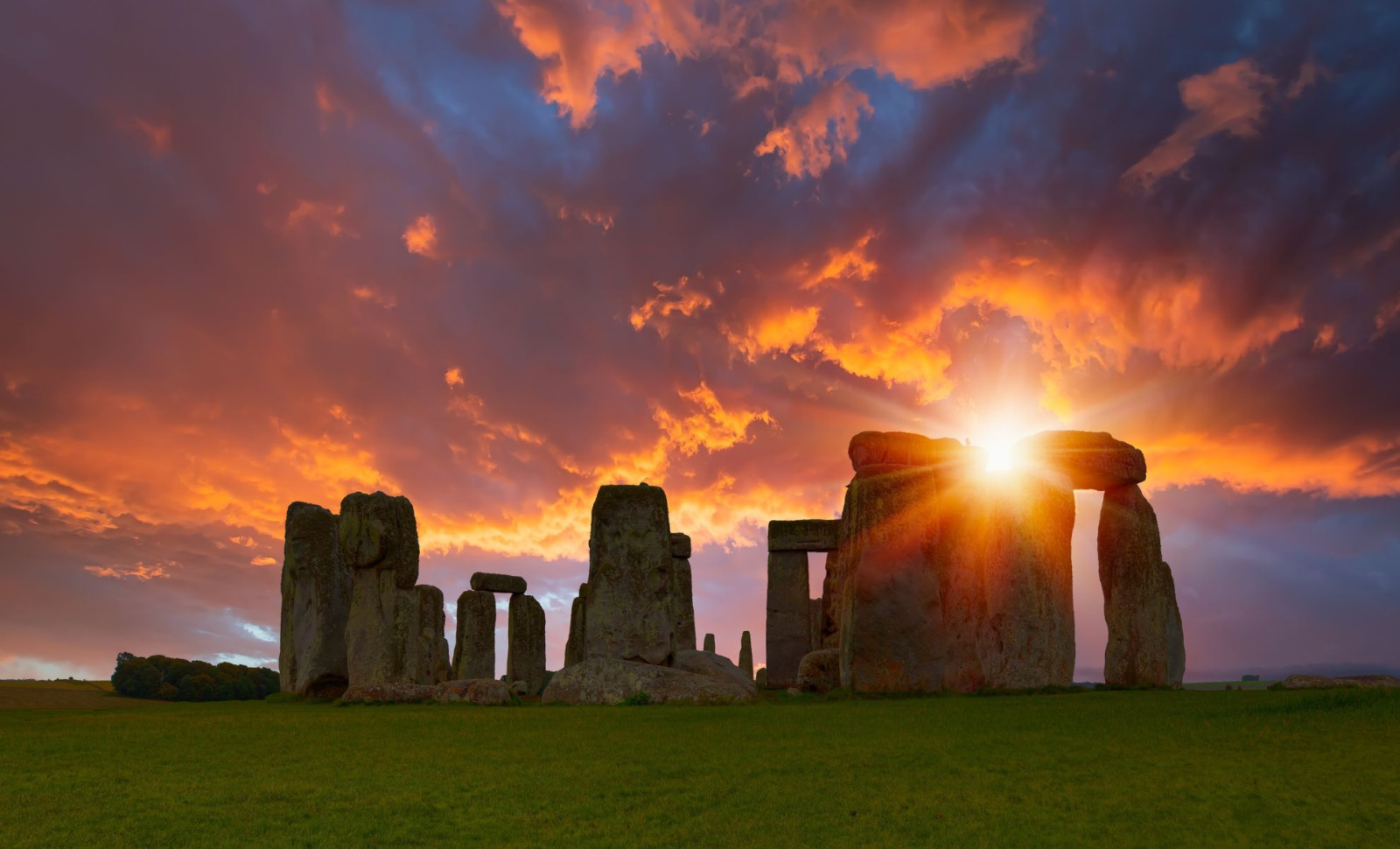
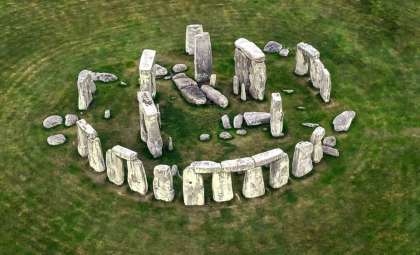
The enigma surrounding the movement of Stonehenge’s enormous stones to southern England may now have a convincing explanation. Recent scientific research dismisses the idea that glaciers moved these megaliths, instead pointing to intentional human transportation across great distances.
Scientists from Curtin University led the investigation, applying cutting-edge mineral analysis techniques to study sediments around the Salisbury Plain area. Their results challenge the old hypothesis that the stones were deposited by glacial forces during the last Ice Age, lending stronger support to the theory that ancient communities moved the stones themselves.
Tracking the Stones’ True Source Through Mineral Signatures
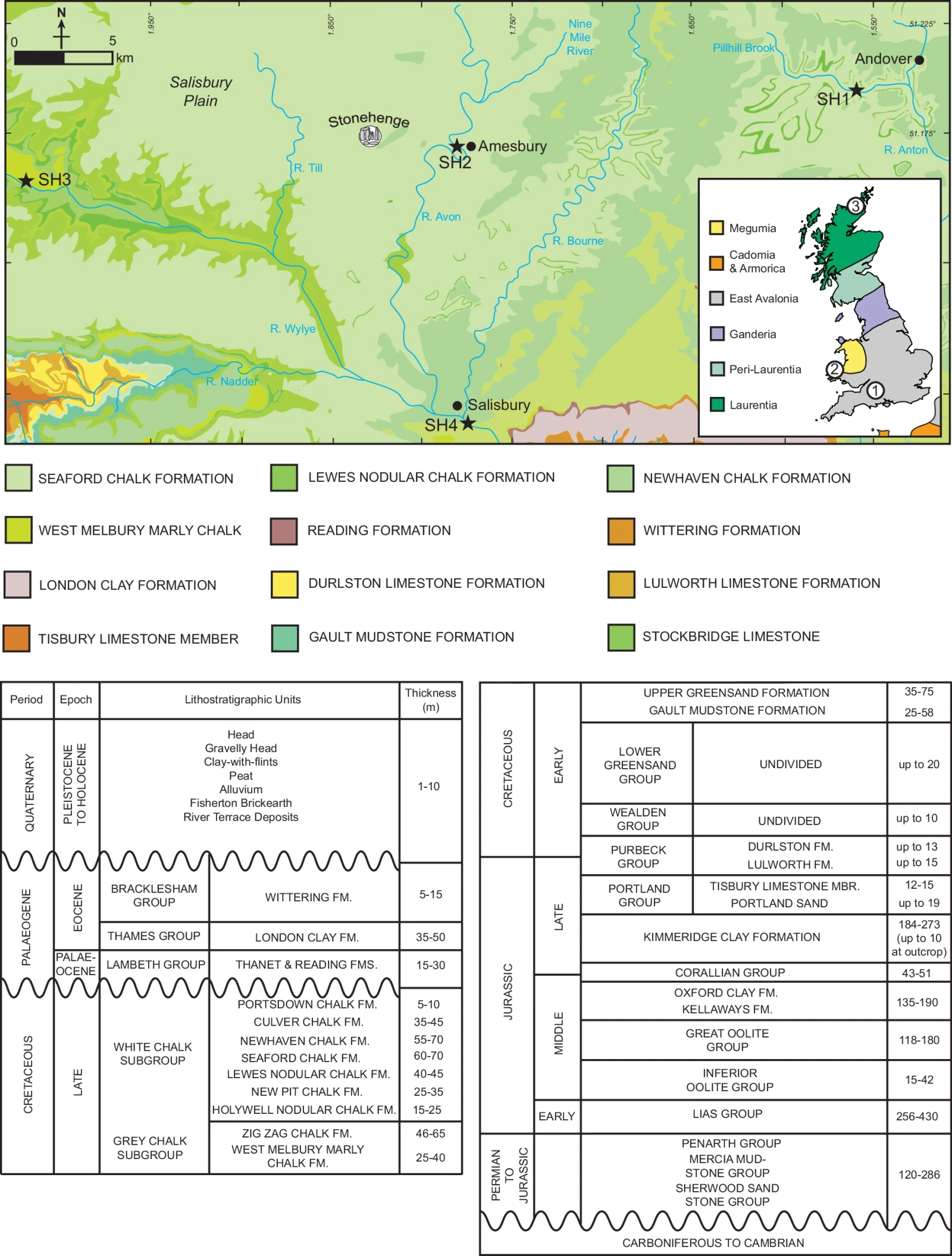
To evaluate the glacial hypothesis, the research team examined microscopic grains of zircon and apatite found in river sediments near Stonehenge. These minerals reveal the age of the rocks they originate from, offering clues about where the stones might have been quarried. In a study published in Communications Earth and Environment, over 700 mineral grains were analyzed for similarities with rock formations in Wales and Scotland.

The sediment samples did not match those distant regions. The majority of zircon grains were aged between 1.7 and 1.1 billion years, while apatite indicated rock formation around 60 million years ago—ages consistent with southern England’s geology. If glaciers had transported the stones from further afield, the sediment would reflect those older geological sources. However, the mineral “fingerprints” clearly indicate a local origin.
“While previous research had cast doubt on the glacial transport theory, our study goes further,” the authors wrote in The Conversation, explaining that the lack of mineral evidence from Wales or Scotland essentially rules out glacial involvement.
Confirming the Journey from Wales to Stonehenge
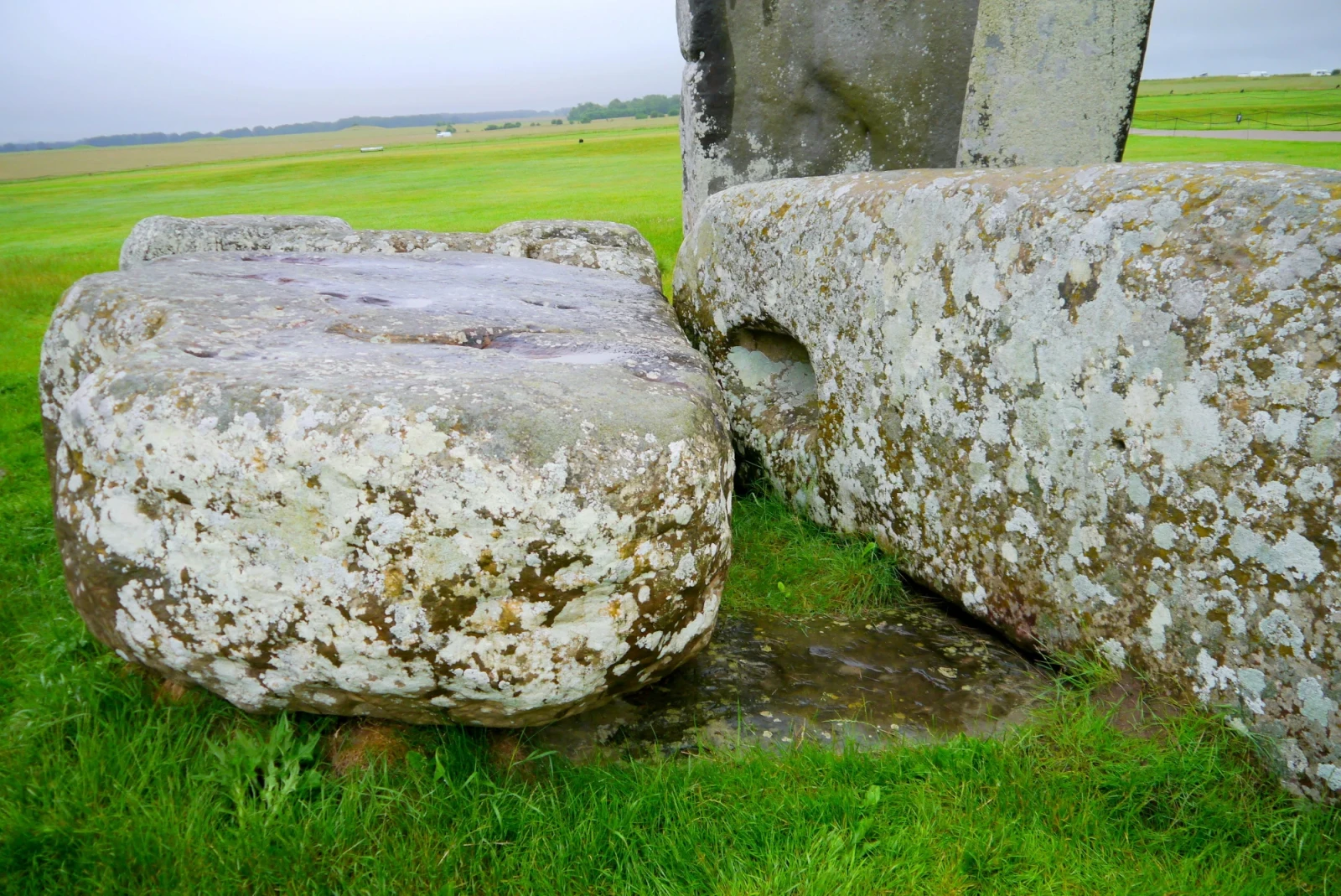
The data supports previous ideas that prehistoric humans transported the iconic bluestones, named for their characteristic hue, from the Preseli Hills of western Wales, located approximately 140 miles away. Intriguingly, the Altar Stone—a central feature—may have been brought from northern England or even Scotland, traveling at least 300 miles.
The transportation likely involved organized methods using sledges, rollers, and possibly watercraft. Despite the considerable difficulty, Neolithic peoples could have managed this feat given the cultural or spiritual importance they placed on Stonehenge.
This research further supports the idea that constructing Stonehenge required coordinated labor and careful planning, considering the precision of placement and the remarkable distances the stones traveled.
Glacial Transport Hypothesis Strongly Undermined
The theory that glacier movement delivered Stonehenge’s stones to Salisbury Plain suggested an easier construction site selection. However, as highlighted by Live Science reports, this explanation faces substantial setbacks. The ice sheets that once covered parts of the British Isles did not likely extend far enough southward to deposit stones at this location.
Additionally, the stones themselves show no evidence of damage typically caused by glacier transport, such as characteristic scratches or fractures. The absence of glacial deposits in the vicinity also contradicts the natural transport scenario.
Instead, every piece of data—from mineral compositions to geological context—indicates deliberate human activity. The researchers summarize their findings:
“This gives us further evidence the monument’s most exotic stones did not arrive by chance but were instead deliberately selected and transported.”
- Categories:
- News









0 comments
Sign in to Comment