
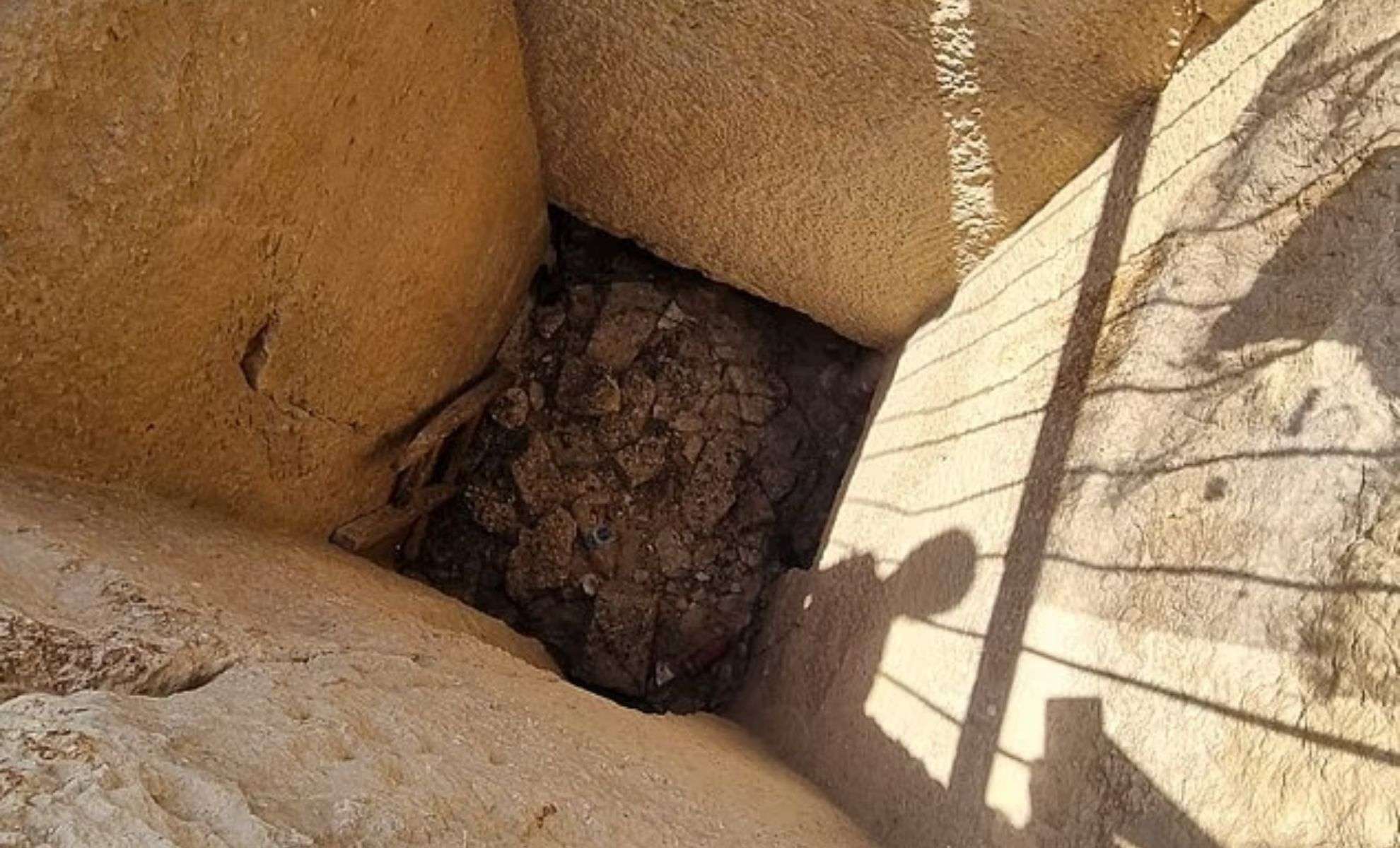
Recent identification of three shafts in the vicinity of Egypt’s iconic pyramids has ignited excitement and skepticism within the archaeological community. Researchers working on the Giza Plateau suggest these shafts could be gateways to an ancient subterranean network. However, several experts challenge these conclusions, labeling them as overhyped or inaccurate.
The discovery emerges from the Khafre Project, an international effort employing satellite radar and ground-penetrating imaging techniques to investigate what lies beneath the desert surface. Their results revive longstanding rumors of hidden chambers and tunnels beneath the Great Sphinx and pyramid complex. The critical question remains: have they found genuine new structures, or are these just old legends reinterpreted through advanced technology?
Uncovering a Buried Blueprint Beneath the Giza Plateau
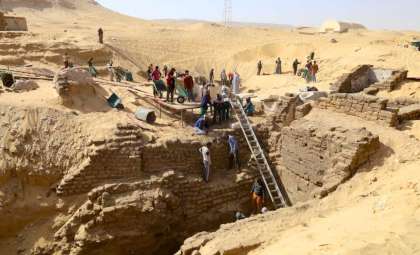
The Daily Mail reports that the survey team, led by Armando Mei, located three shafts arranged in a triangular pattern between the Great Sphinx, the Khufu Pyramid, and Khafre’s Pyramid. The first shaft plunges approximately 130 feet and is constructed with precisely cut limestone and sandstone. Notably, at a depth of 40 feet, there is a cavernous space roughly 80 feet across surrounding the shaft, indicating intentional craftsmanship rather than natural erosion.

The second shaft is positioned adjacent to Khafre’s causeway, the ceremonial corridor connecting his pyramid with the Valley Temple. This shaft similarly features smooth, symmetrical walls. The third shaft, found on the eastern side of Khufu’s Pyramid, appears reinforced with additional blocks at its entrance, hinting at consistent past usage.
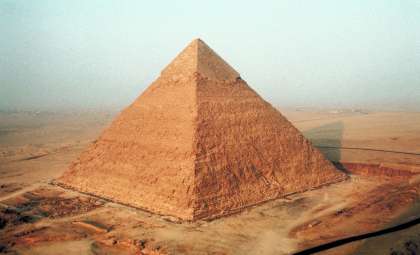
All three shafts lie within 165 feet of one another, and intriguingly, their formation seems to echo the spatial arrangement of the pyramids themselves. Project members argue the alignment is unlikely to be coincidental.
Ancient Tales Backed by Contemporary Scanning
Myths regarding secret rooms beneath Giza have persisted for centuries. Greek historian Herodotus described an extensive underground labyrinth in Egypt with thousands of chambers and even an unseen pyramid below ground. In the 19th century, explorers like Henry Salt and Giovanni Caviglia noted unusual wells near the Sphinx and pyramids that seemed artificially made.
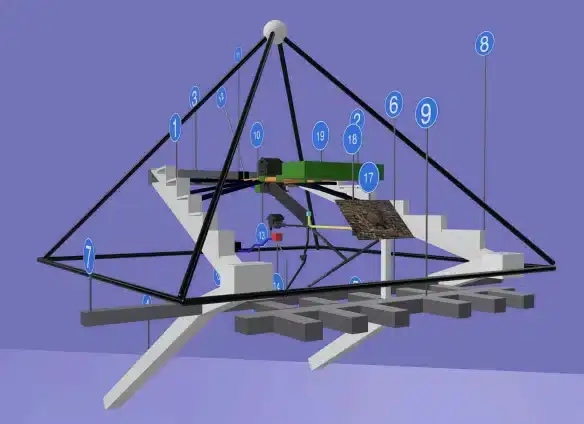
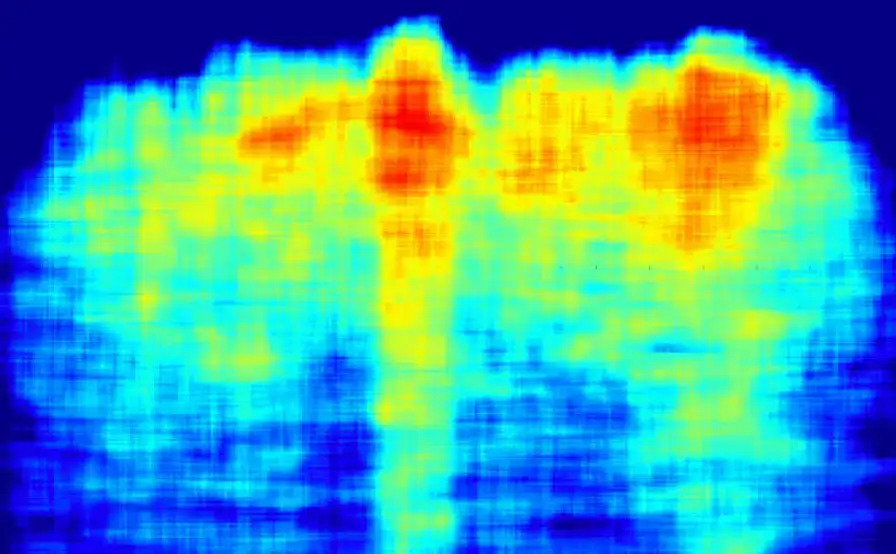
Utilizing modern detection technology, the Khafre Project asserts these legends may have a basis in reality. As reported by the New York Post, their radar scans revealed five hollow structures within Khafre’s pyramid, along with spiral tunnels beneath. Their data points to eight vertical shafts, some potentially exceeding 2,000 feet in depth and spanning about 6,500 feet in width. The researchers generated detailed 3D maps based on satellite imagery captured from 420 miles above the site.
Spokesperson Nicole Ciccolo associated the underground features with the legendary “Halls of Amenti,” fabled chambers believed to harbor ancient wisdom hidden beneath the plateau. This link, she explains, elevates the significance of the discovery beyond mere architectural interest.
Scholars Remain Doubtful
However, not all specialists are convinced. Prominent Egyptologist Zahi Hawass, former Egyptian antiquities minister, dismissed the reported findings as "fake news", criticizing the scientific validity of the radar methods employed. He also noted the lack of formal excavation and peer-reviewed publication from the team. Radar expert Lawrence Conyers of the University of Denver echoed these reservations, telling the Daily Mail that satellite radar typically lacks enough resolution to detect such detailed structures.
While Conyers acknowledged it's plausible that minor subterranean cavities exist beneath a historically sacred area like Giza, he cautioned against drawing sweeping conclusions from limited imaging. No physical investigations have yet been conducted on these shafts, leaving the more speculative claims unconfirmed for the time being.
- Categories:
- Science











0 comments
Sign in to Comment