
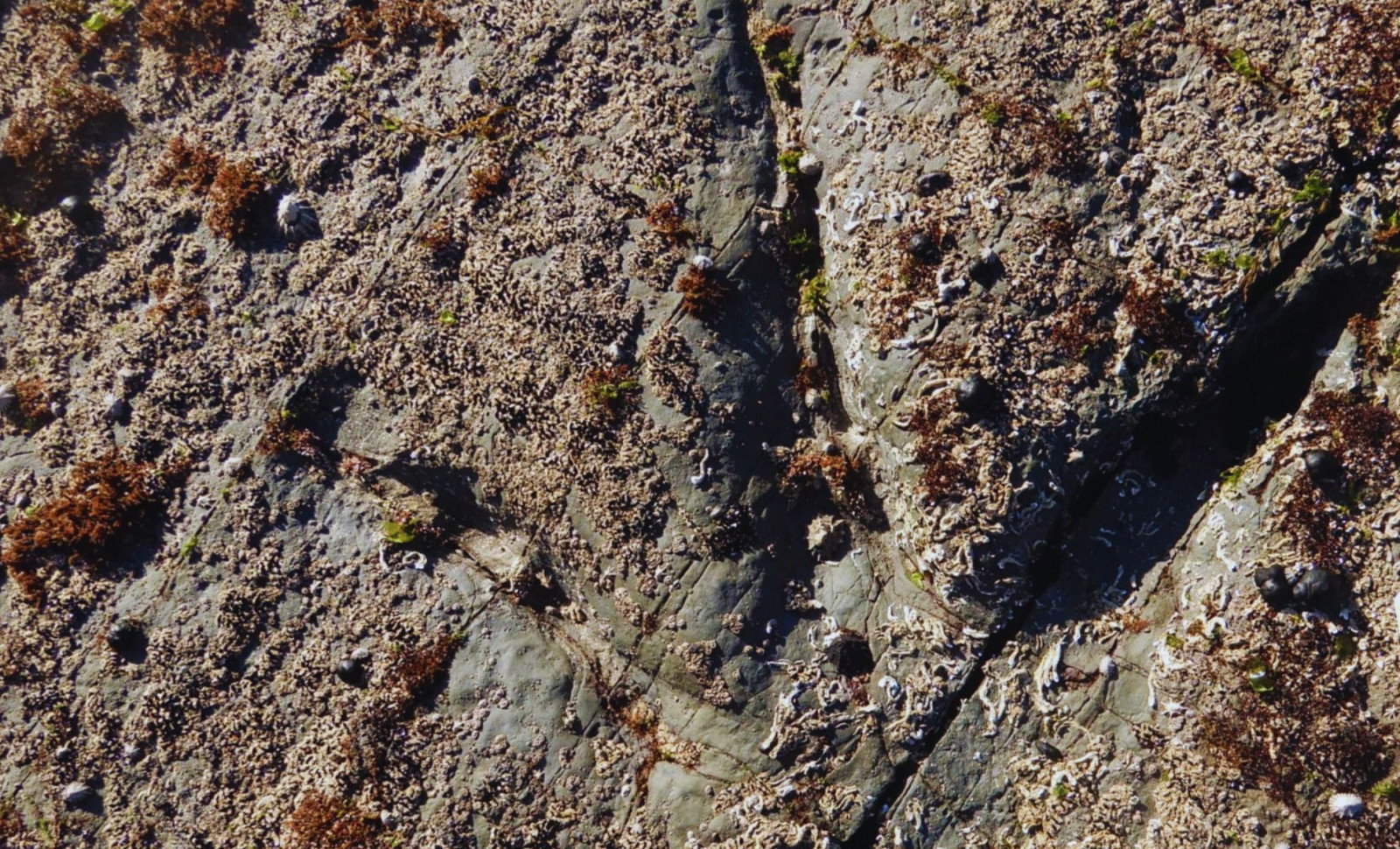
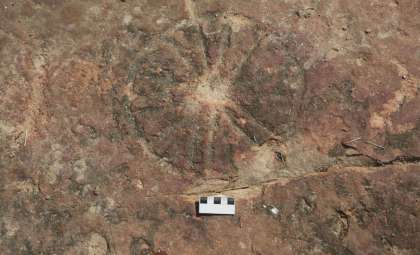
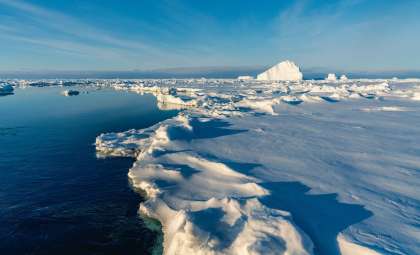
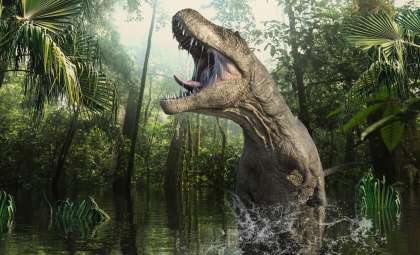
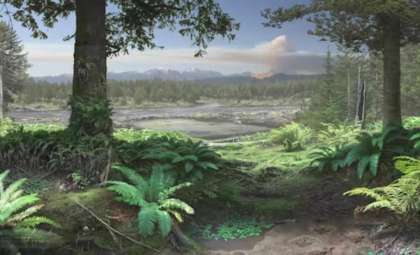
A total of 24 dinosaur footprints, believed to be 120 to 128 million years old, demonstrate that sizable theropod dinosaurs inhabited polar territories, likely during warmer summer periods when ice layers melted.
These tracks emerged from the Wonthaggi Formation, a fossil-rich zone from the era when Australia remained connected to Antarctica. Scientists emphasize that this discovery delivers the most compelling proof so far of dinosaurs living in polar climates, highlighting a diverse range of species, including dominant predators and smaller plant-eaters, that flourished within this prehistoric polar ecosystem.
Insights into Polar Dinosaur Habitats
According to the statement released by Museums Victoria, the fossilized impressions were uncovered by a global team of paleontologists led by Dr. Anthony Martin at Emory University, with contributions from Dr. Thomas Rich of Museums Victoria and Dr. Patricia Vickers-Rich of Monash University.

Found preserved in floodplain sediments beside channel sandstones, these footprints imply that the dinosaurs moved through the area during polar summers with milder climate conditions, likely following seasonal floods caused by spring thaw. As Dr. Rich noted:
“The discovery of numerous theropod tracks in the Cretaceous rocks of Victoria is the best evidence to date that these former polar environments supported a variety of dinosaurs, including large carnivores that most likely preyed on smaller dinosaurs, fish and turtles.”
A Diverse Array of Dinosaur Footprints
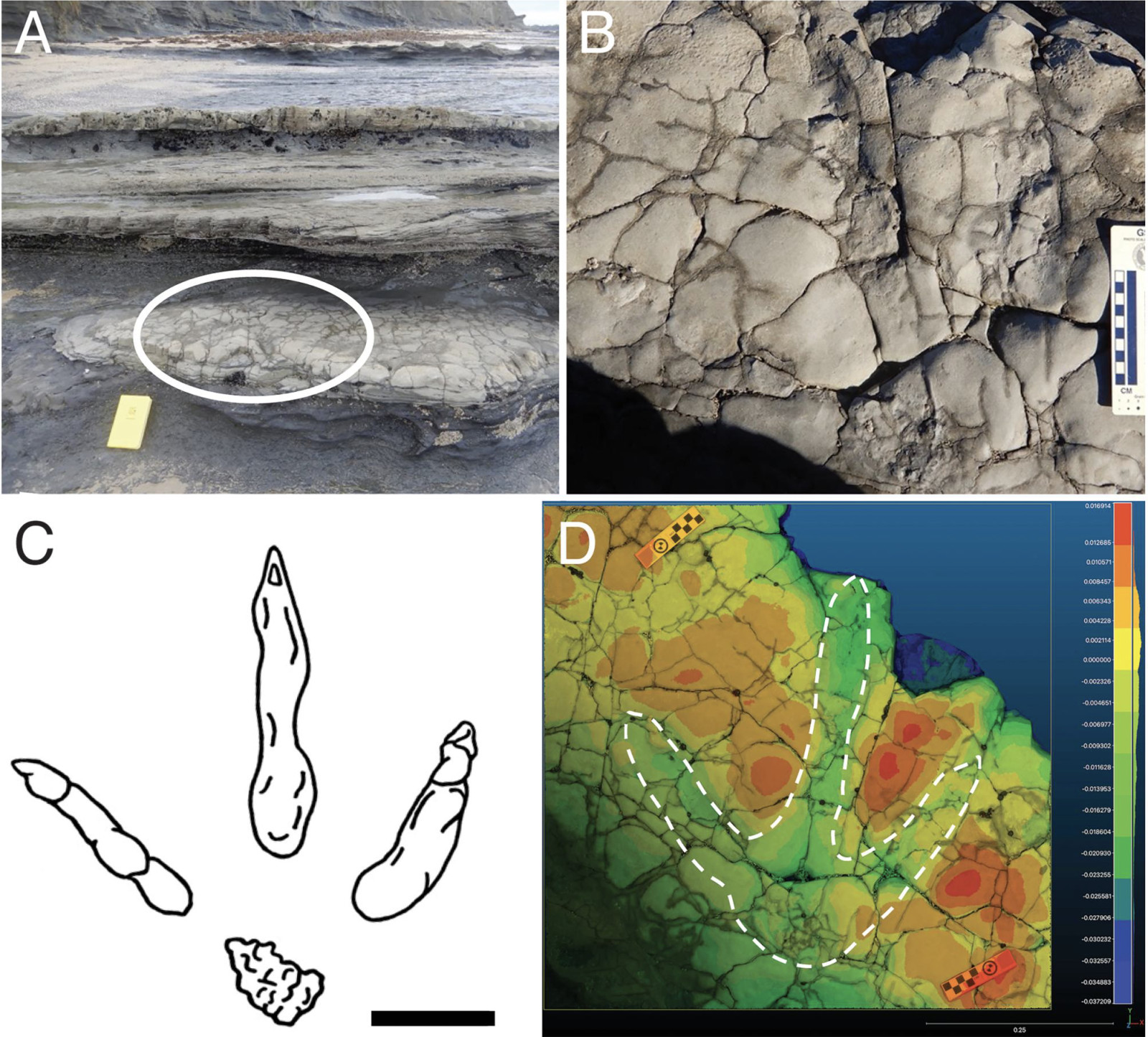
Out of the 24 tracks, 18 belong to theropods, hefty meat-eating dinosaurs characterized by their distinctive sharp claws. These footprints vary in size from 18 to 47 centimeters in length, indicating the presence of both juvenile and adult individuals. Additionally, four tracks from ornithopods, plant-eating dinosaurs, were identified for the first time in the Wonthaggi Formation.
The discovery of footprints from both smaller and larger dinosaurs supports the hypothesis that these animals may have reproduced and raised offspring in the polar region. Dr. Martin stated that the juvenile footprints suggest that “these dinosaurs may have nested and raised their young in the polar environment.”
The Role of the Dinosaur Dreaming Project
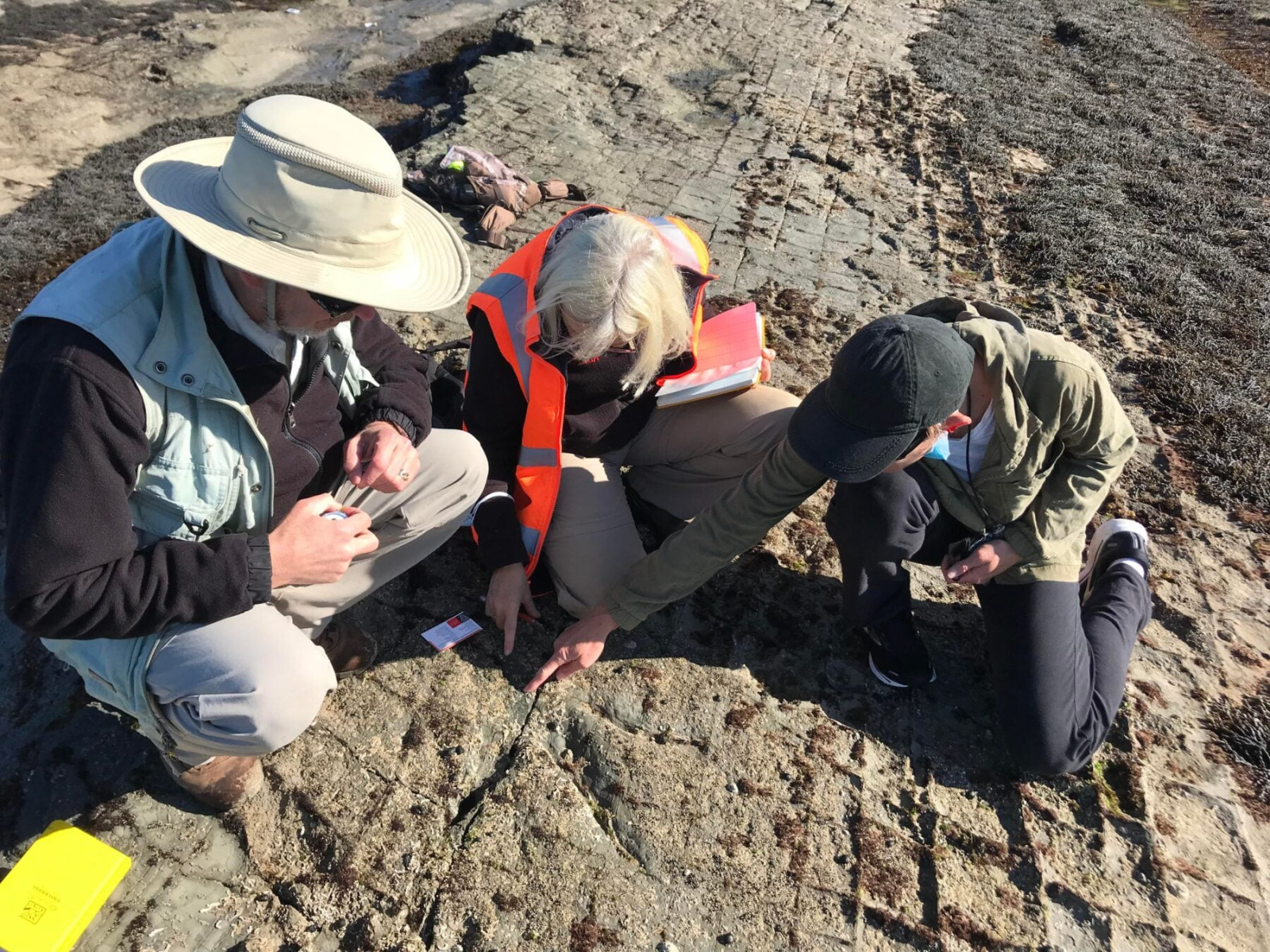
The Dinosaur Dreaming Project, coordinated by Dr. Rich and Dr. Vickers-Rich since the 1970s, has been instrumental in uncovering the prehistoric dinosaur heritage of Australia. The team, including volunteer fossil expert Melissa Lowery, has enormously expanded the knowledge of ancient life forms.
“While many of us were home watching reruns of ‘Jurassic Park,’ she was out finding dinosaur tracks. She has this incredible eye that allows her to pick out distinctive patterns from surrounding materials. I call it ‘ichno-vision.’ It’s her superpower,” stated Dr. Martin.
The Wonthaggi Formation ranks among the Southern Hemisphere’s most critical fossil sites. These new findings add further support to the theory that ancient polar regions, though challenging environments, sustained vibrant ecosystems. As Dr. Martin remarked:
“We’re continuing to discover more tracks in the area. The more we find, the clearer picture we hope to get of these ancient polar ecosystems.”
- Categories:
- News




0 comments
Sign in to Comment