
A century-old financial dispute has reignited in Washington, bringing imperial Russian bonds into a contemporary legal conflict. A U.S.-based investment firm is demanding over $225 billion, transforming a historical default into a current courtroom challenge against one of the world’s most sanctioned nations.
Initiated in January 2026, the lawsuit addresses whether modern Russia can be held accountable for debts issued by the Tsarist government and if frozen Russian central bank funds could be tapped to satisfy the claim.
This case deepens ongoing international discussions about sovereign liability, continuity of obligations, and the fate of assets restrained by sanctions. The lawsuit targets major Russian financial bodies and may affect attempts to allocate state-controlled funds now blocked under U.S. and allied embargoes.

Tsarist Bonds Spark Contemporary Legal Proceedings
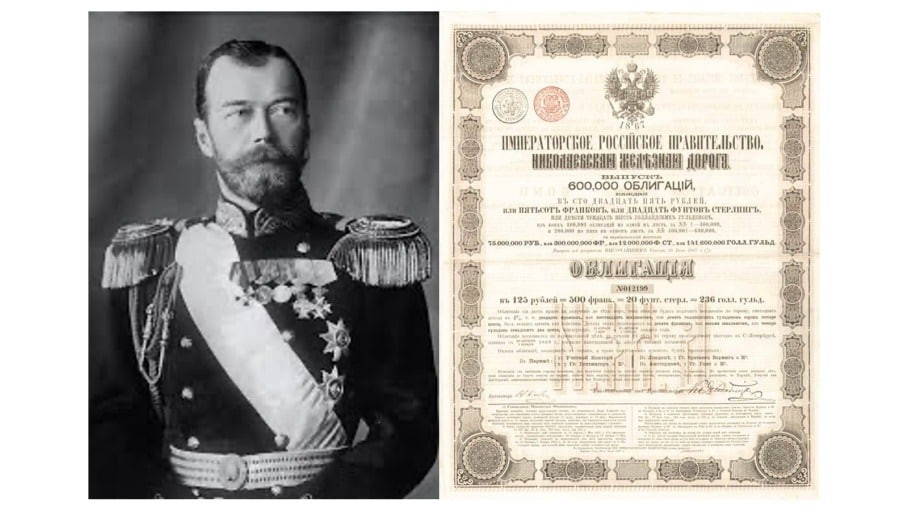
The plaintiff, Noble Capital RSD, claims ownership of $25 million in face value bonds issued by the Russian Empire in 1916, shortly before the Bolshevik takeover. These bonds carried a 5.5 percent annual interest rate and were set to mature in 1921. The suit factors in over a century of compound interest, elevating their demand beyond $225 billion.
These financial instruments were marketed internationally by a syndicate spearheaded by Citibank, then the National City Bank of New York. The complaint does not accuse Citibank of misconduct but acknowledges its role in organizing the debt issuance.
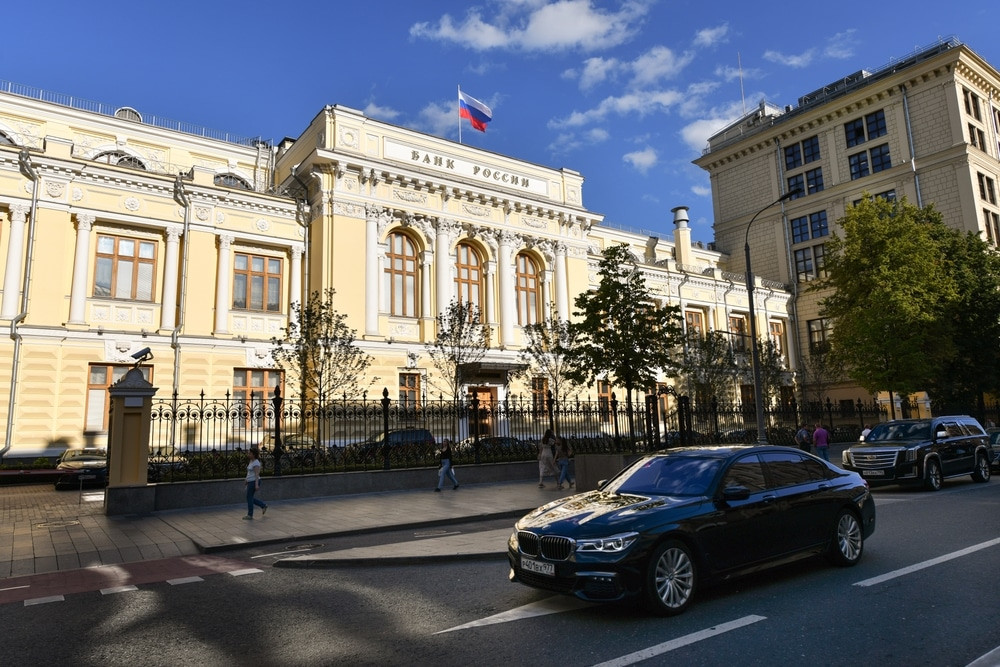
The detailed complaint, accessible through the U.S. District Court records, lists the Russian Federation, its Ministry of Finance, Central Bank, and National Wealth Fund as defendants. As of 10 February 2026, Russia has yet to submit a formal response, though legal advisors have announced intentions to contest the jurisdiction of the court.
Lawyers from Marks & Sokolov LLP, representing the Russian government, indicated in a filing cited by The Moscow Times that the case challenges “important substantive questions regarding the legitimacy and enforceability of long-disavowed, century-old obligations.”
The court has given Russia a deadline of 29 January 2026 to respond. Citibank has declined to make any public statements.
Efforts to Unlock Frozen Sovereign Assets
Noble Capital’s claim is based on the principle of state succession, positing that sovereign debt outlasts regime changes. The company seeks to tap into Russian government assets frozen within U.S. jurisdiction, framing the dispute as a private contractual matter apart from sanctions enforcement.
This legal positioning creates a complex gray zone. U.S. legislation typically shields foreign nations through the Foreign Sovereign Immunities Act (FSIA), which restricts lawsuits targeting sovereign entities. While exceptions exist, they rarely pertain to defaults rooted in bygone eras.
By arguing these debts remain valid under private international law, the fund hopes to bypass requirements for political approval to access state-held frozen funds. Analysts quoted by RBC News note that while a payout is unlikely, this suit could establish precedents affecting future claims on frozen sovereign assets.
To date in 2026, U.S. courts have not authorized private creditors to enforce judgments against immobilized sovereign reserves. Nevertheless, the approximately $300 billion in Russian central bank assets frozen since 2022 are increasingly central in initiatives aiming to finance Ukraine’s rebuilding. The verdict here could shape if civil claims become a vehicle to unlock these funds.
Legacy Defaults and Contemporary Enforcement Challenges
The bonds under dispute were issued during a wartime fiscal crisis by the Russian Empire amid World War I pressures. The Bolshevik regime repudiated all imperial debts immediately after seizing power in late 1917, a position upheld throughout the Soviet era and by the current Russian state.
Although some bonds held by French lenders saw partial settlements in 1997, no broad accord exists with other holders of Tsarist debt. This lawsuit represents one of the most ambitious efforts ever, both financially and legally.
An extensive review from the Indian Defence Review highlights how the plaintiffs are challenging state succession doctrine and seeking to shift enforcement norms around legacy debt claims against frozen sovereign resources.
Experts emphasize that the FSIA exceptions are narrowly interpreted. Typically, claims must involve current commercial activities linked to the original debt default, a condition hard for the bondholders to prove. Furthermore, enforcement against sovereign assets is generally blocked absent explicit statutory authority or executive approval.
Meanwhile, since 2023, political conversations in the U.S. and EU have accelerated about lawful strategies to redirect frozen Russian reserves. Various proposals to repurpose central bank holdings have been suggested, but none have achieved full legal endorsement yet.
- Categories:
- News











0 comments
Sign in to Comment