
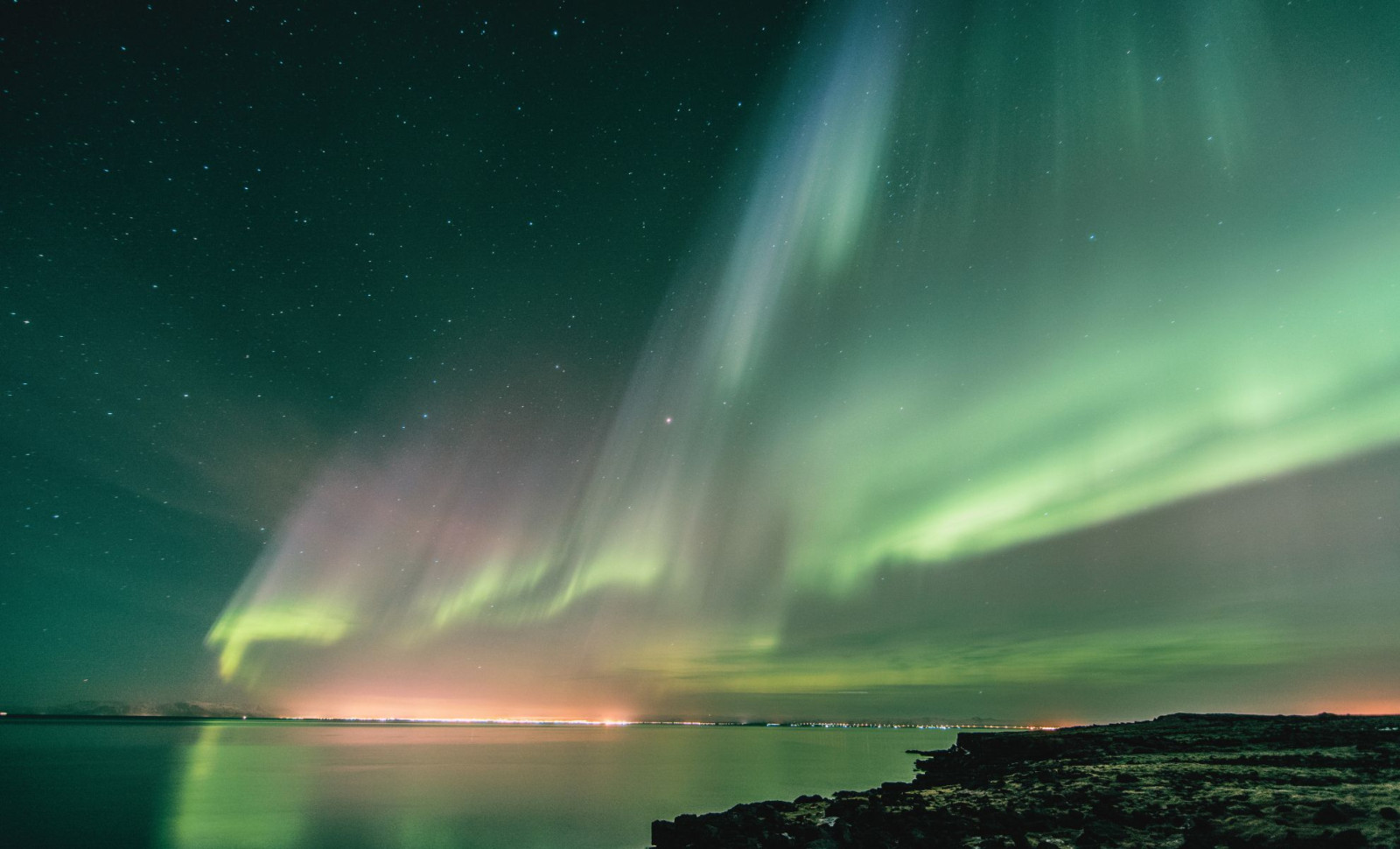
A minor geomagnetic disturbance caused by solar wind emitted from the Sun is predicted to produce aurora borealis displays visible in multiple U.S. states, according to a NOAA forecast. This increased geomagnetic activity is expected to enable residents in 12 states to witness the northern lights further south than usual.
The event stems from a rapid stream of solar wind originating from a coronal hole on the Sun’s surface. As these charged particles reach Earth, they interact with its magnetic field, generating the colorful light shows known as the northern lights.
This forecasted auroral activity follows a recent surge in sightings across the country, associated with the Sun nearing the peak of its 11-year solar cycle. During this solar maximum phase, stronger solar eruptions amplify the likelihood of aurora visibility at lower latitudes.

NOAA Monitors Solar Winds Enhancing Aurora Sightings
NOAA predicts that the incoming fast solar wind will trigger geomagnetic fluctuations boosting aurora visibility from Tuesday night into early Wednesday. They anticipate the Kp index to reach approximately four on Tuesday and climb to five by Wednesday, creating favorable conditions for those farther south to gaze upon the lights.
The Kp index quantifies global geomagnetic activity on a scale from zero to nine, where higher readings indicate greater magnetic disruptions and a wider spread of the aurora phenomenon toward more populated regions.
The agency identifies the potential viewing zone to include Alaska, Montana, North Dakota, Minnesota, and Maine, as well as northern parts of Washington, Idaho, Wisconsin, Michigan, New York, Vermont, and New Hampshire.
Visibility, however, depends on cloud cover, ambient light pollution, and the ultimate strength of the geomagnetic disturbance. Even within these areas, clear and dark skies will enhance chances of seeing the aurora’s vibrant hues.
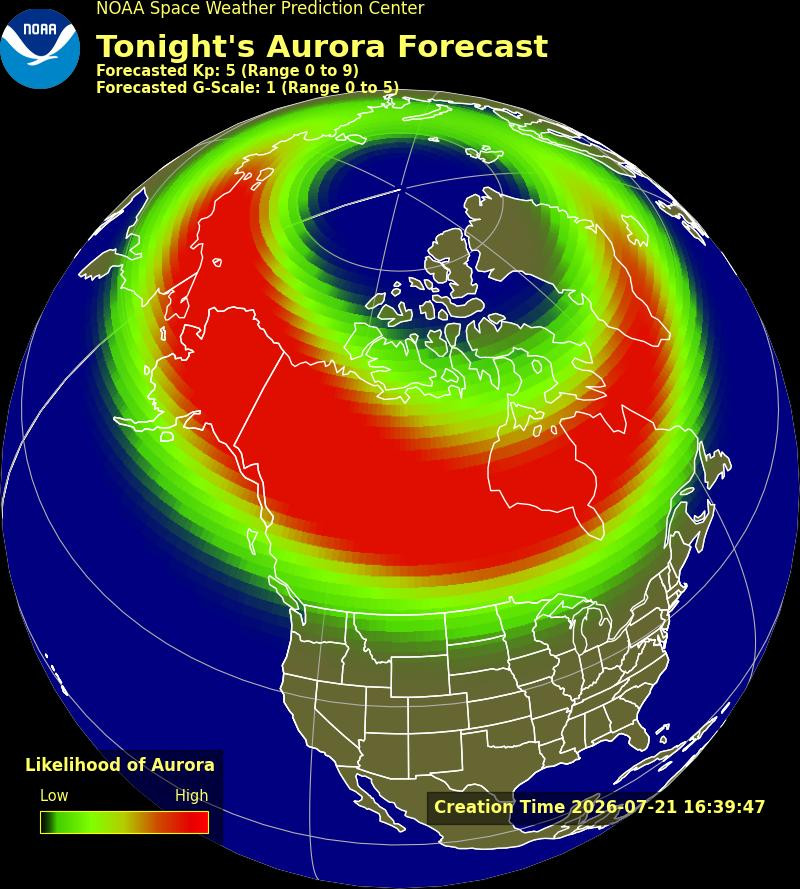
Regions in the U.S. Likely to Witness the Northern Lights
The forecast encompasses a broad swath of the northern U.S., with locations near the Canadian border having the greatest probability due to their proximity to the usual auroral oval.
In Alaska, a frequent aurora hotspot, this event may provide another chance for vivid sky shows. States like Minnesota, Michigan, and Maine could see displays if geomagnetic activity strengthens after dark.
According to NOAA, the prime viewing window is typically between 10 p.m. and 2 a.m. local time. Enthusiasts should seek out dark areas away from city lights with an unobstructed northern view and allow their eyes to adapt to the darkness for optimal experience.
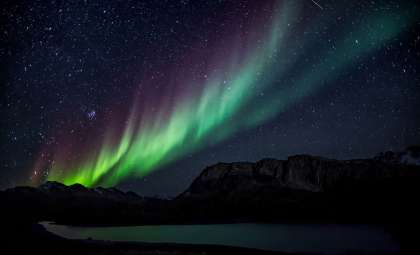
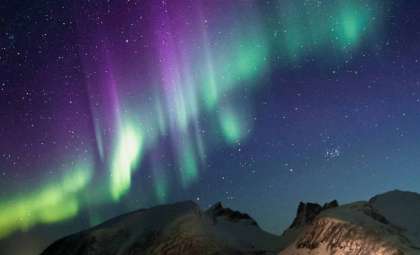
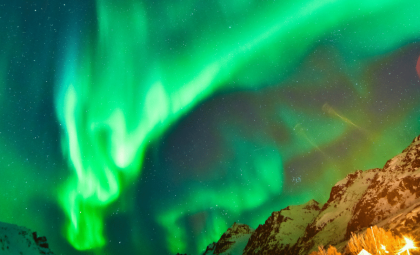
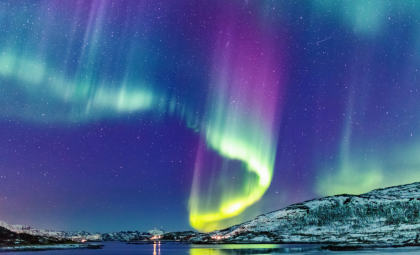
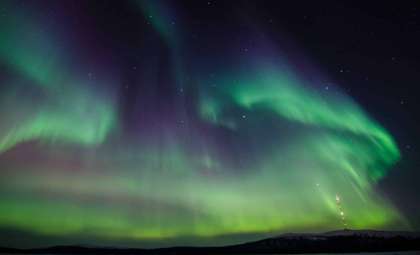
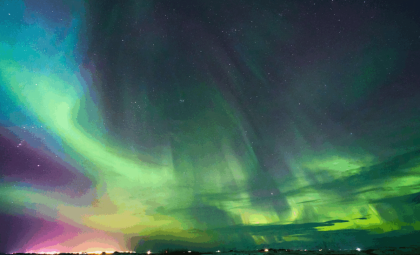
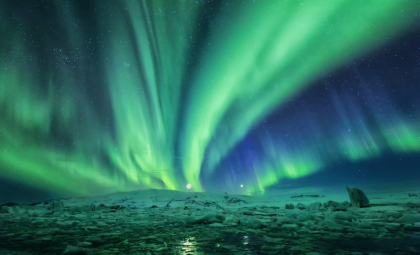
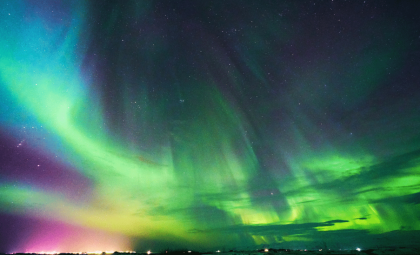
Auroras often begin as faint green glimmers before developing into dynamic curtains and waves. The most intense displays arise when solar activity intensifies interactions between charged solar particles and Earth’s magnetic field.
Solar Maximum Drives Elevated Aurora Frequency
The surge in U.S. aurora sightings is linked to the current solar maximum period, a phase marked by heightened solar eruptions and flares. This phase has exceeded some prior expectations for activity levels.
Since the start of 2024, multiple strong geomagnetic storms have expanded aurora visibility across vast areas, captivating millions of skywatchers, photographers, and scientists exploring space weather’s effects on our atmosphere.
The Sun’s activity is projected to wane later this decade as the solar cycle concludes, but until then, each new influx of solar wind provides a fresh chance to behold the spectacular auroras.
For viewers across the northern states, this event is a rare opportunity to witness a magnificent celestial display induced millions of miles away by solar surface phenomena.
- Categories:
- News

0 comments
Sign in to Comment