
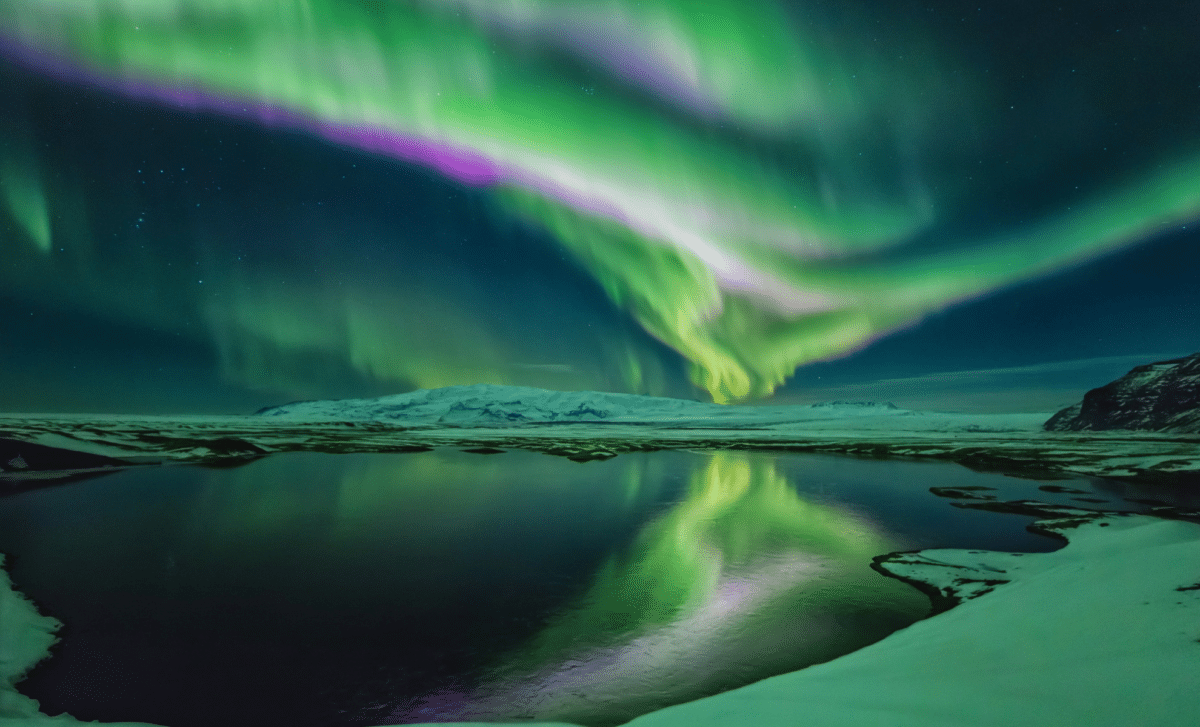
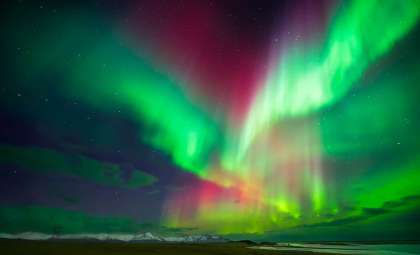
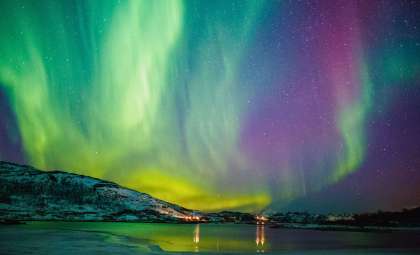
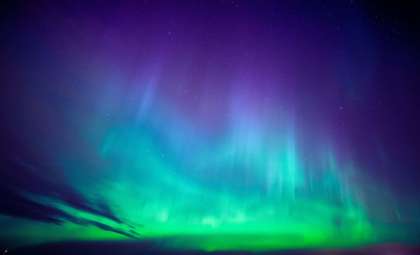
The enchanting Aurora Borealis captivates many who hope to see this celestial spectacle in person. Thanks to an incoming surge of fast-moving solar wind, the National Oceanic and Atmospheric Administration (NOAA) has announced a geomagnetic storm alert, boosting the possibility of catching the northern lights in various U.S. states and Canadian regions this weekend. This guide offers advice on top viewing spots, timing, and helpful hints for an unforgettable aurora sighting.
How the Aurora Borealis Occurs
The Northern Lights, scientifically named Aurora Borealis, arise when charged particles from the sun collide with Earth's atmospheric gases. These energetic interactions produce dazzling light displays in the polar skies. While these shimmering curtains of light typically appear near the poles, intense solar events like flares and geomagnetic disturbances can extend their reach southward, making them visible in areas not usually frequented by auroras.
A surge in solar activity—such as the rapid solar wind forecasted by NOAA—often triggers brighter and more widespread auroral displays. With the current geomagnetic storm watch in effect, sky enthusiasts throughout northern parts of the U.S. and Canada might witness an extraordinary aurora event this weekend.

Details on NOAA’s Geomagnetic Storm Warning
NOAA’s Space Weather Prediction Center (SWPC) has issued a G1-level geomagnetic storm alert due to an approaching fast solar wind stream. This G1 classification signals potential auroras visible as far south as northern U.S. states including Washington, Idaho, Montana, and sections of the Midwest.
NOAA anticipates the Kp index—a measurement scale for geomagnetic activity—to peak around 4.67. This elevated value means auroras could appear well south of their usual Arctic locations, potentially reaching all the way to near the Canadian border and offering an exciting viewing opportunity for many who normally might miss out.
Where to Catch the Northern Lights This Weekend
The prime locations to observe the Northern Lights correspond to northern U.S. states and select areas in Canada. NOAA’s forecast highlights places such as Alaska, Washington, Idaho, Montana, North Dakota, South Dakota, Minnesota, Wisconsin, Michigan, and Maine as the best chances for aurora viewing. While sightings are likelier in these states’ northern parts, the glow might even be spotted as far south as parts of Wyoming and New York.
For those residing or traveling in these regions, selecting a spot away from city lights is crucial. Artificial illumination from urban environments often diminishes aurora visibility. Optimal viewing conditions exist in rural or remote areas—look northward with an unobstructed horizon to maximize your chances of appreciating the Northern Lights.
The Moon’s Influence on Aurora Viewing
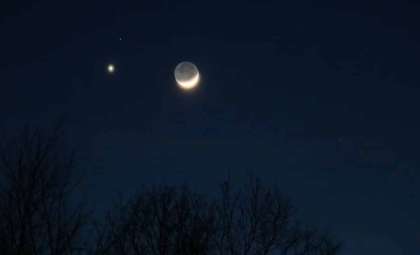
Besides the geomagnetic conditions, moonlight plays a role in how easily auroras can be seen. This weekend features a waning gibbous moon phase at nearly 90% illumination, which may dim the visibility of faint northern lights.
To enhance your aurora viewing, aim for the darkest hours between 10 p.m. and 2 a.m., when the sky is least affected by moonlight. Although the moon may reduce the intensity of the colors perceived by the naked eye, smartphone cameras often capture vivid aurora images more effectively. Allow your eyes enough time to adjust to darkness to better detect faint glows.
Optimal Times to Witness the Northern Lights
Peak aurora displays generally coincide with heightened solar activity, making 10 p.m. to 2 a.m. local time the most promising window. During these hours, Earth's magnetic field aligns more favorably with charged solar particles, boosting aurora visibility.
Since the Northern Lights can appear unpredictably and briefly, monitoring NOAA’s forecasts is essential. Position yourself outdoors during prime viewing hours at a northern vantage point with clear, dark skies away from urban light pollution. The better the sky conditions, the greater your chances of spotting this magnificent natural light show.
- Categories:
- News

0 comments
Sign in to Comment