
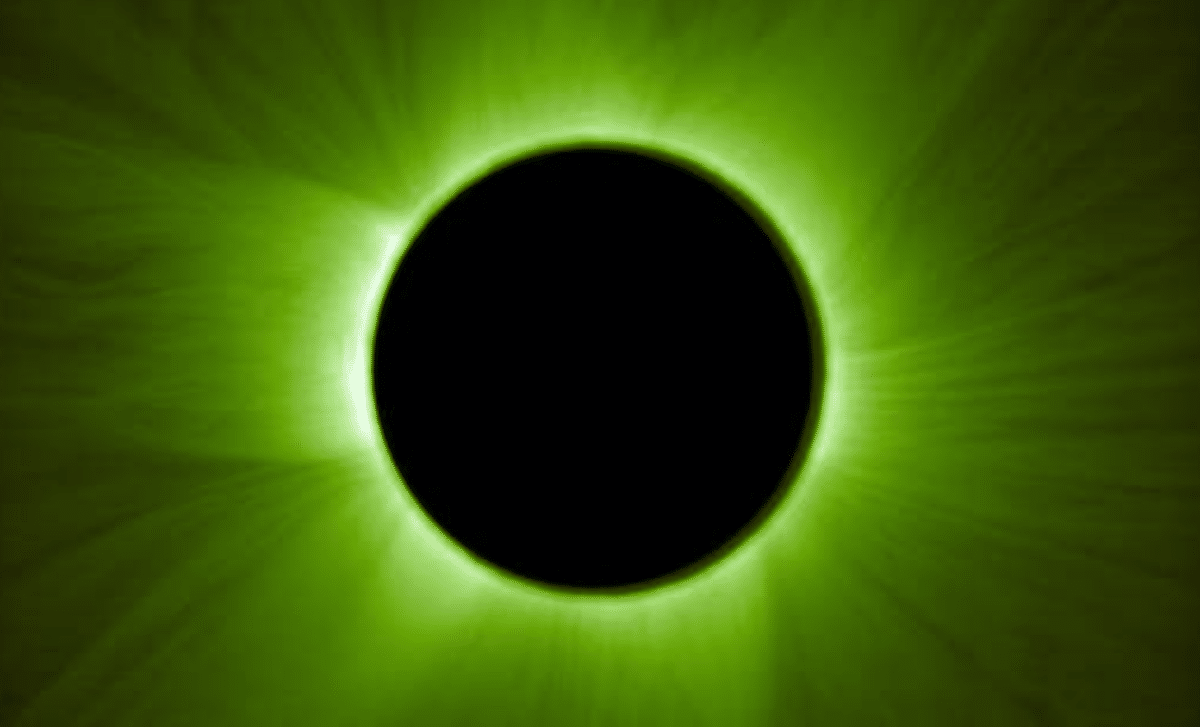
Solar wind, a mysterious force shaping cosmic conditions and affecting Earth’s technology, has baffled scientists for years. The European Space Agency’s Proba-3 mission is altering this landscape by orchestrating precise artificial eclipses in space, delivering an unobstructed view of the Sun’s corona. Recent data published in The Astrophysical Journal Letters reveal surprising insights that challenge previous notions about the speed and source of solar wind.
Coordinated Spacecraft Formation Enables Uninterrupted Solar Views
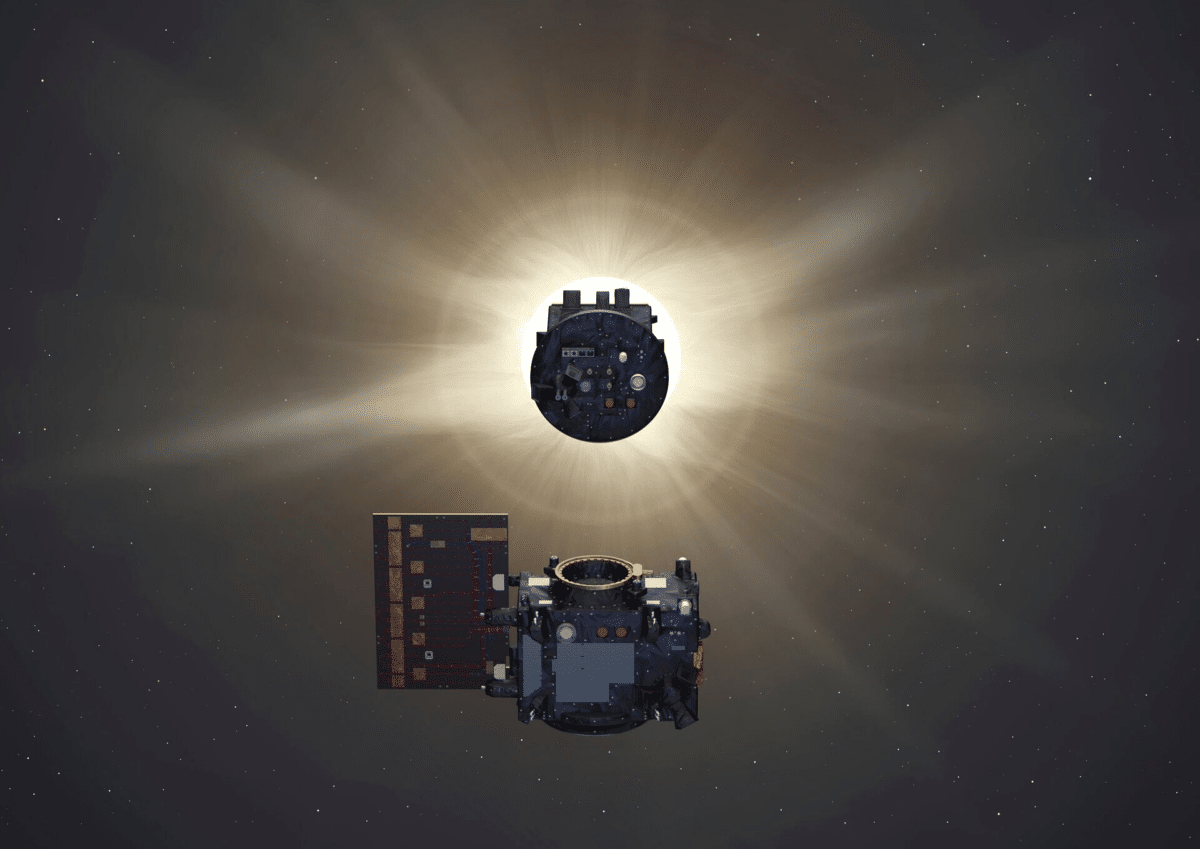
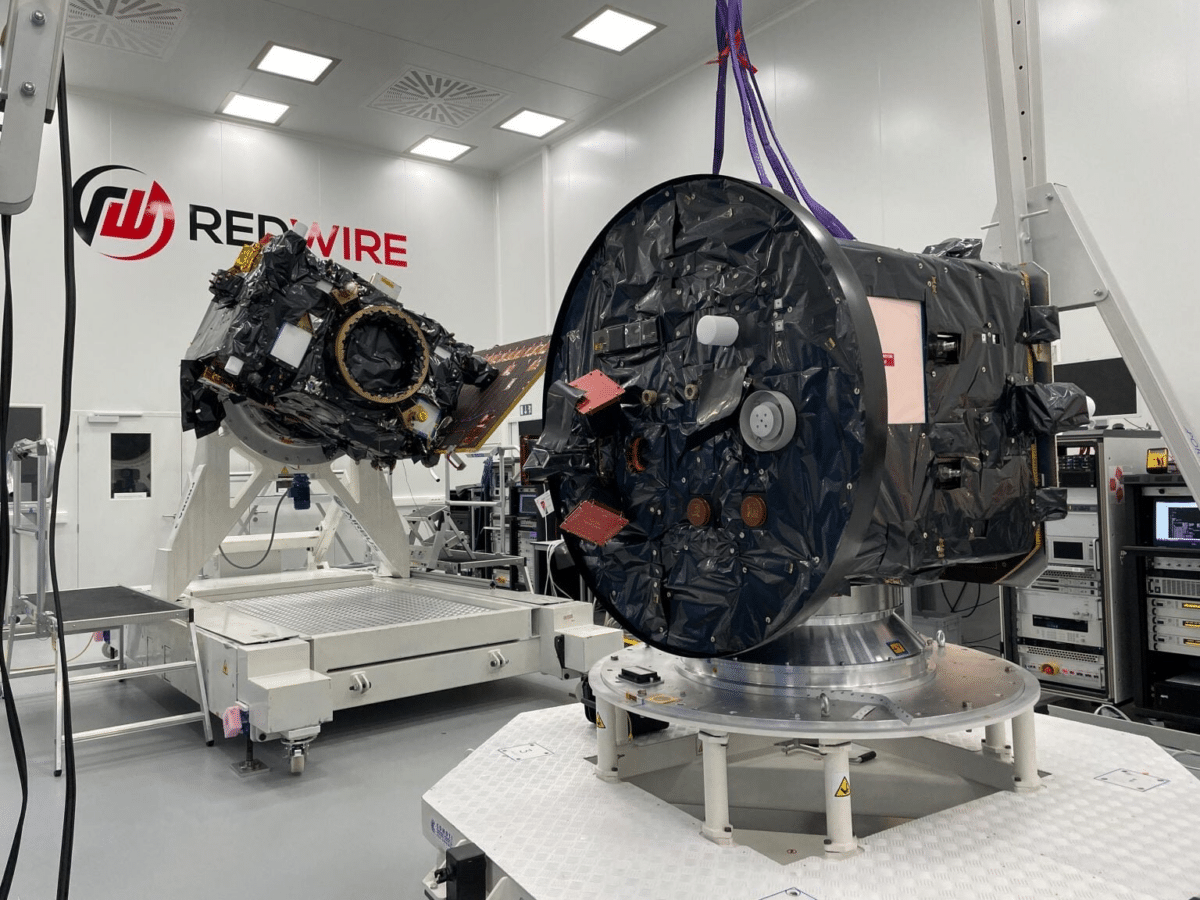
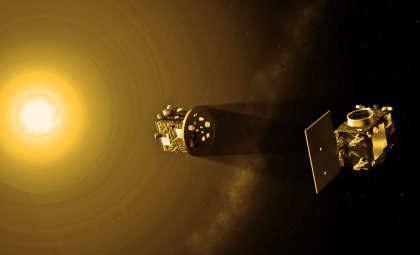
Proba-3 mission is a technological marvel that converts a rare natural phenomenon into a regularly available research method. Two spacecraft, named Occulter and Coronagraph, maintain a precise formation approximately 150 meters apart with remarkable submillimeter precision. This setup allows the Occulter craft to block the Sun’s bright disk, casting a shadow onto the Coronagraph, making the faint solar corona visible for detailed study.
Orbiting in an elongated path extending over 60,000 kilometers from Earth, observations are conducted near the apogee where space conditions are optimal. This eliminates atmospheric interference, securing a pristine, continuous data stream that surpasses the few fleeting minutes gained during natural eclipses on Earth. So far, the team has gathered over 250 hours of observations through 57 synthetic eclipses.

Groundbreaking Discoveries on Solar Wind Dynamics
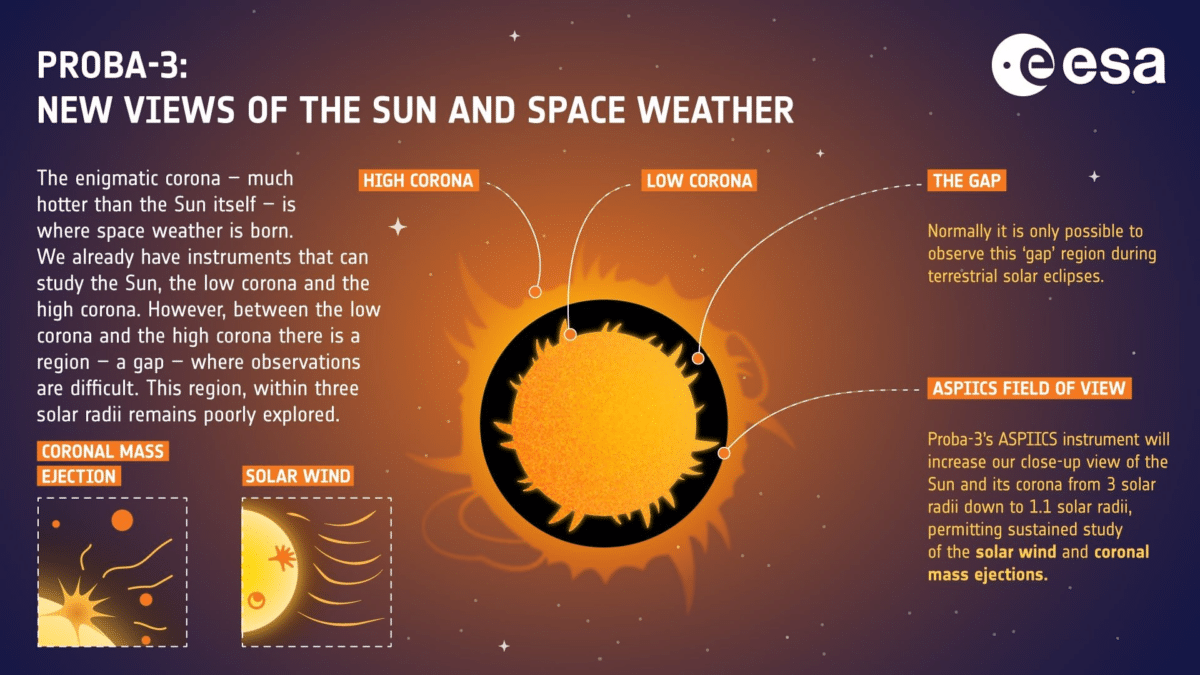
The pioneering results shared in The Astrophysical Journal Letters represent a major advancement in understanding solar phenomena. The ASPIICS coronagraph onboard delivers clear images of areas as close as 1.1 solar radii from the Sun’s surface—regions previously beyond detailed observation. This proximity provides crucial clues about where solar wind originates and its early behavior.
One remarkable finding concerns the so-called slow solar wind, a particle stream long thought to move at modest speeds. Contrary to expectations, data from Proba-3 show these particles traveling significantly faster than prior estimates suggested.
“In the inner corona, a region very difficult to observe, we saw slow solar wind gusts moving three to four times faster than expected,” says Andrei Zhukov (Royal Observatory of Belgium and lead researcher in the study) in a recent press release.
These new measurements indicate velocities ranging from 250 to 500 km/s, well beyond the 100 km/s speed previously proposed. This unexpected speed challenges established models and suggests far more dynamic processes are underway near the Sun’s surface.
Shedding Light on the Corona’s High Temperatures
The solar corona has long mystified researchers due to its extreme heat, far exceeding the Sun’s visible surface temperature. Proba-3’s continuous monitoring offers vital evidence addressing this coronal heating dilemma. Scientists are investigating how magnetic reconnection—where magnetic field lines break and reunite—supplies energy to the plasma, driving temperature rises and accelerating particles.
The mission also improves our understanding of coronal mass ejections (CMEs), colossal eruptions of solar material that can disrupt Earth’s satellites and infrastructure. By capturing the initial phases of CMEs with exceptional clarity, Proba-3 aims to enhance prediction methods and clarify eruption development.
The spacecraft’s observations of bright streamers and rays, prominent structures in the corona, help map the solar wind’s escape routes. Detailed analysis of these features reveals the interactions between magnetic fields and plasma flows with greater precision than ever before.
Advancing Space Weather Predictions and Protection
Better understanding of space weather is crucial for protecting modern technologies, including satellites, navigation systems, and power grids vulnerable to solar disturbances. By capturing detailed dynamics of the low solar corona, Proba-3 supplies critical data that promises to refine forecasting models significantly.
Distinct from earlier solar missions like SOHO, GOES-19, and Aditya-L1, Proba-3’s unique vantage point lets scientists study phenomena closer to the Sun, linking small-scale coronal dynamics with broader solar system impacts.
With its planned operations extending beyond 2026, Proba-3 is poised to continue unveiling novel solar insights, reshaping our grasp of the Sun’s effects on space and Earth.
- Categories:
- Space





0 comments
Sign in to Comment