
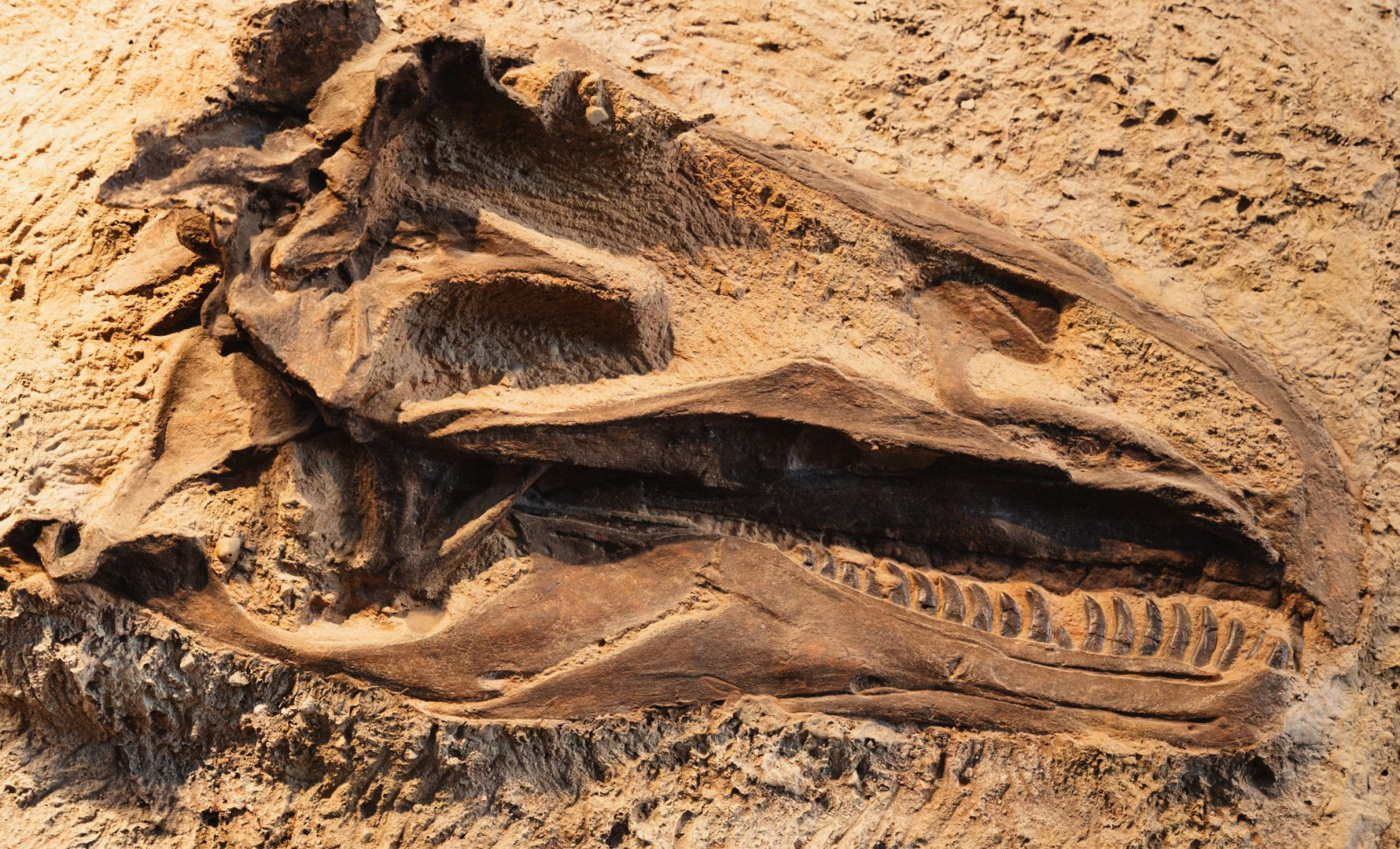
Researchers in Spain have revealed the discovery of the most intact stegosaur skull ever recovered in Europe, offering an extraordinary window into the biology and evolutionary path of this famed prehistoric creature.
Originating from the Late Jurassic era, the fossil is attributed to Dacentrurus armatus, a dinosaur species first identified in 1875. This remarkable find was made at the “Están de Colón” locality within the Villar del Arzobispo Formation near Teruel, unveiling new anatomical insights about the heavily armored herbivore.
An Exceptionally Well-Preserved Specimen
The fragility of stegosaur cranial bones has meant skull remains are notably scarce, as their delicate structure seldom endures over vast geological time. Typically, fossils consist of incomplete skeletons, leaving scientists to piece together these dinosaurs' cranial details largely from speculation.

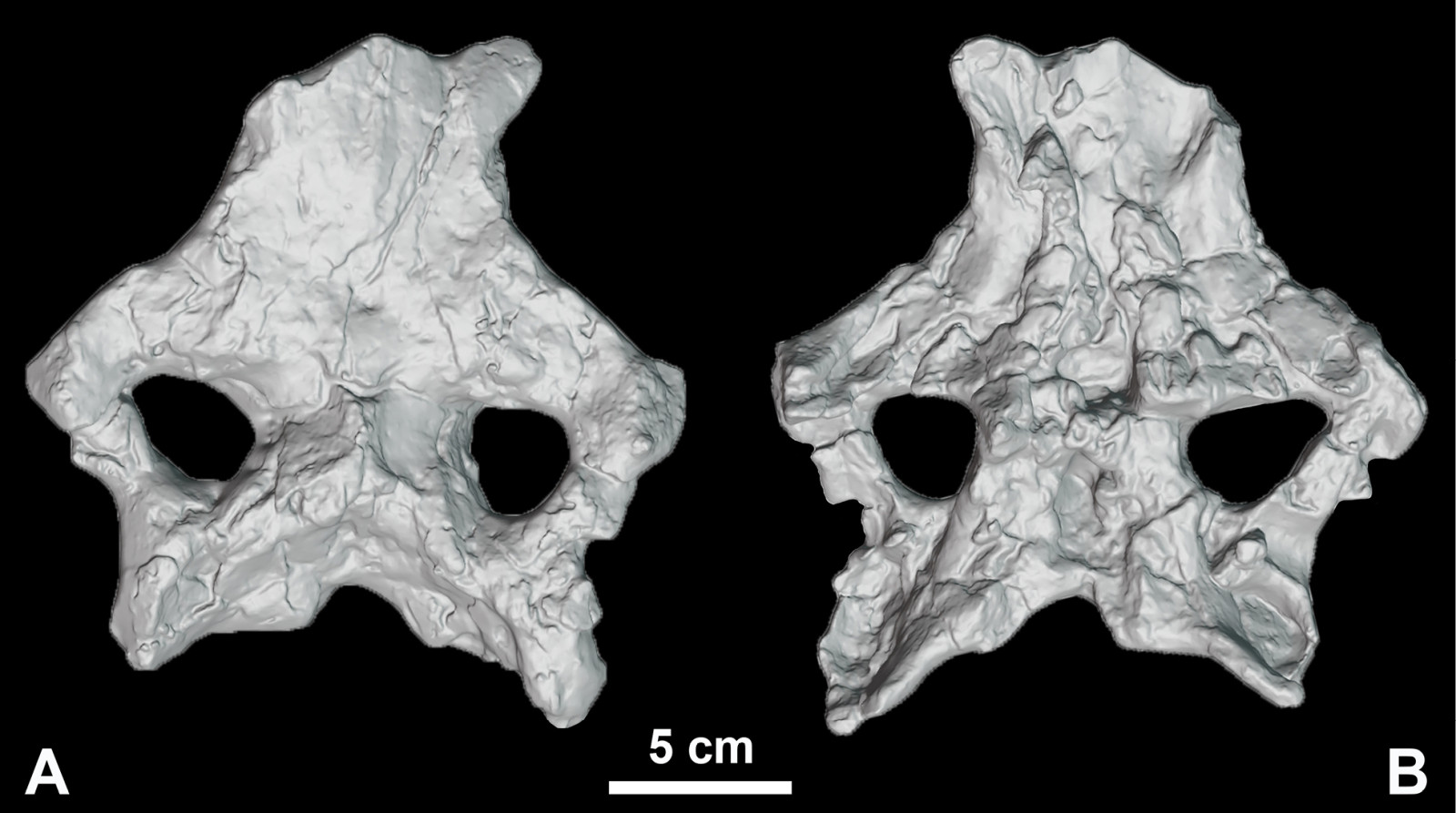
According to the Fundación Conjunto Paleontológico de Teruel-Dinópolis team, this skull stands as the most comprehensive stegosaur cranial fossil found on European soil. The preserved elements include the frontal, postorbital, squamosal, parietal, and supraoccipital bones, alongside a neck vertebra that confirmed the specimen’s identity as Dacentrurus armatus.
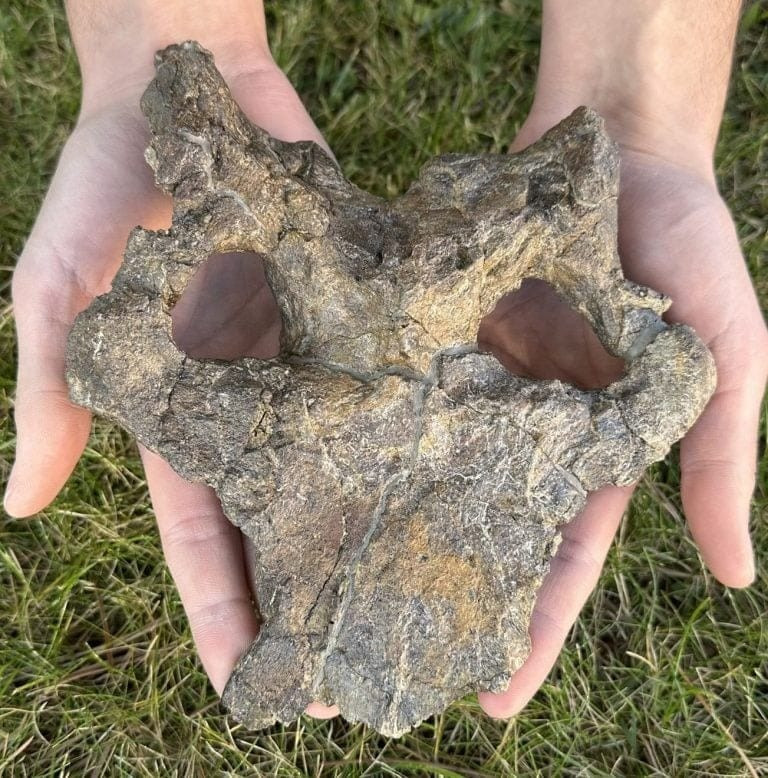
The completeness of this fossil offers an unparalleled chance to deepen knowledge about stegosaur head anatomy. The findings, published in Vertebrate Zoology, hold promise for understanding the creature’s physical structure, dietary behaviors, and ecological interactions. As paleontologist Sergio Sánchez Fenollosa remarks:
“Dinosaurian skulls are rarely preserved due to the extreme fragility of their bones. This discovery is key to understanding how stegosaurian skulls evolved.”
Insights Into Stegosaur Evolutionary History
This new cranium is prompting researchers to rethink stegosaur phylogeny. An analysis of 115 anatomical features across 30 fossil groups led to the identification of a previously unrecognized lineage. The research group states:
“Alongside the anatomical study, we have also proposed a new hypothesis that redefines the evolutionary relationships of stegosaurs worldwide. As a result of this work, we have formalized the definition of a new group called Neostegosauria.”
This newly proposed clade encompasses stegosaurs from Europe, Africa, North America, and Asia, challenging previous ideas about their evolutionary development and geographic distribution.
The research also reshapes perspectives on other species within the group. For instance, it bolsters the classification of Isaberrysaura mollensis from Argentina as a stegosaur and suggests that Alcovasaurus longispinus and Kentrosaurus aethiopicus share a closer evolutionary link with Dacentrurus armatus than previously appreciated.
A Vital Site for Paleontological Research
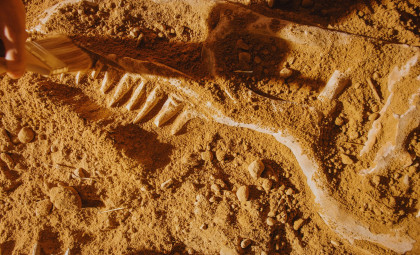
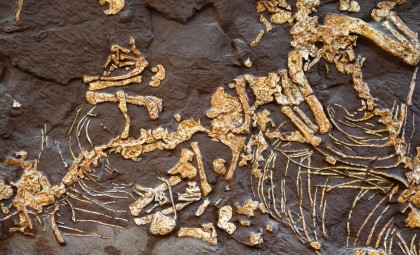
Located at the “Están de Colón” site, the skull was among nearly 200 fossils unearthed, including remains of two stegosaurs at varying growth stages. The area has also yielded fossils of theropods, sauropods, ornithopods, and fish, making it a key location for dinosaur research.
Alberto Cobos, director of Fundación Dinópolis, highlights the importance of Riodeva for understanding dinosaur development. The discovery of juvenile and adult Dacentrurus remains offers a rare insight into the growth patterns of these dinosaurs.
“This fossil site from Riodeva continues to be a subject of research and still holds numerous relevant fossils, including more postcranial elements from the same adult specimen and, notably, juvenile individuals, a particularly rare combination in this type of dinosaurs. These discoveries continue to exponentially increase the paleontological heritage of the province of Teruel, making it one of the iconic regions for understanding the evolution of life on Earth,” he explained.
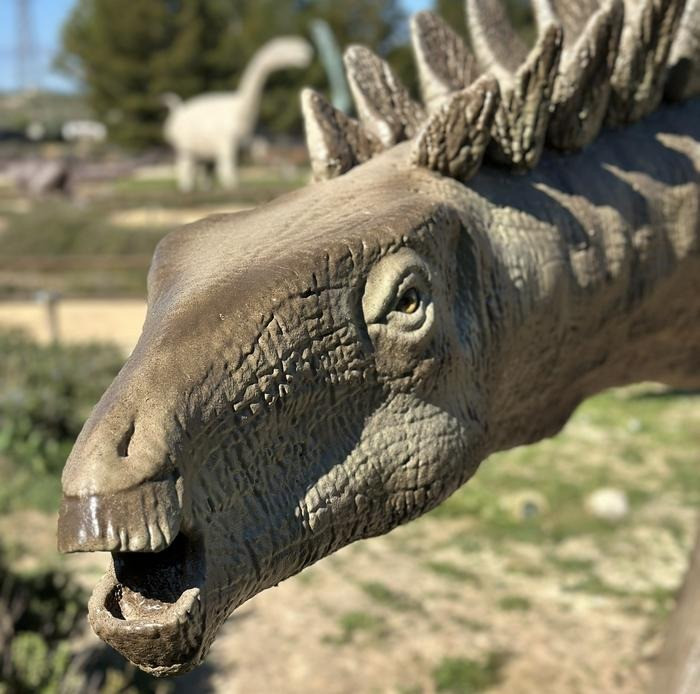
Further studies are ongoing on additional bones from the same adult specimen, and experts anticipate that this site will continue yielding significant discoveries that enhance our knowledge of dinosaur evolution.
- Categories:
- Science




0 comments
Sign in to Comment