
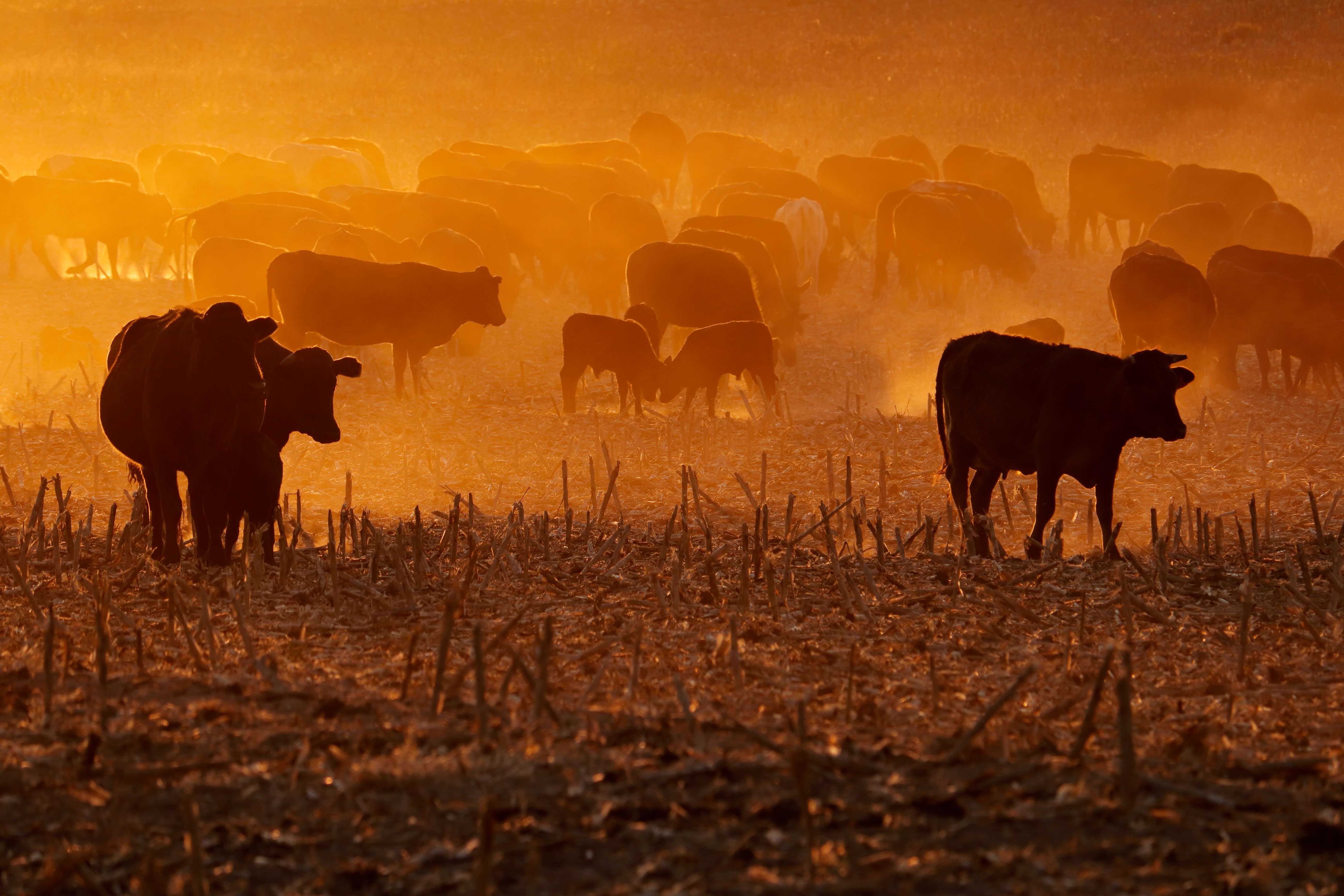
Amsterdam Island, situated 4,440 kilometers southeast of Madagascar, is renowned for its severe weather conditions and remote location in the southern Indian Ocean. Part of the French Southern and Antarctic Lands, it remains inhospitable for human habitation due to its relentless winds, frequent rains, and absence of freshwater. However, in an extraordinary survival story, a group of cattle abandoned there in 1871 endured and multiplied for over a century without human support.
Challenging Environment Meets Unexpected Animal Persistence
The island, comparable in size to Noirmoutier, offers scant resources for sustaining life. Despite enduring relentless environmental stress, a herd of cattle introduced in the late 1800s by a farmer named Heurtin, who aimed to establish farming operations, managed to endure. After Heurtin and his family left the island shortly due to harsh conditions, the cattle they left behind surprisingly survived and increased in number, as reported by Futura Sciences.
This small herd eventually expanded to nearly 2,000 animals, a development that stunned researchers given the island's harsh conditions. Their thriving presence challenged previous assumptions, sparking scientific inquiry into their means of lasting survival.

Genetic Heritage and Survival Mechanisms
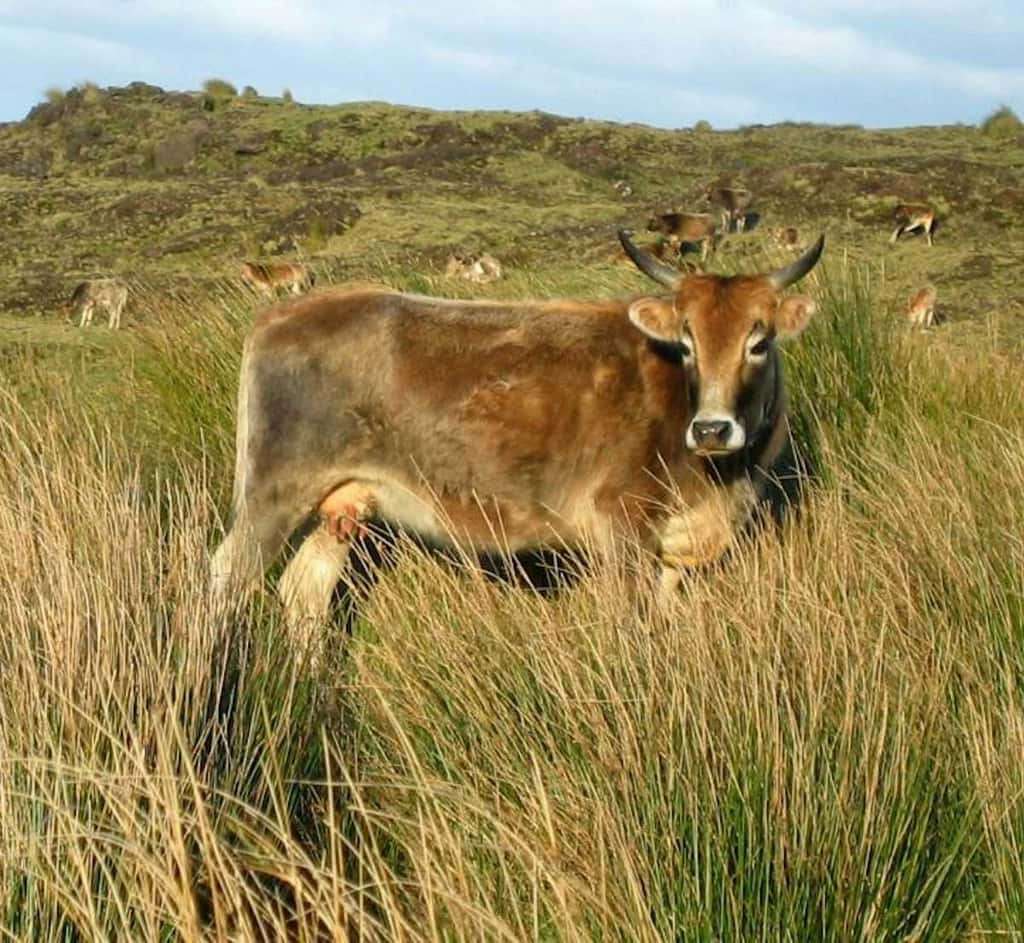
Genetic research on descendants of the herd provided fascinating clues about their persistence. The cattle were a hybrid of two breeds: European taurine cattle, especially Jersey, and Indian zebu cattle. This blend likely enhanced their hardiness. The Jersey-derived taurine cattle possessed traits favorable for enduring the island's cold, wet climate.
Genetic data also dispelled myths that the cattle descended from earlier European explorers’ livestock. Instead, evidence supports the idea that just a handful of cows—about five or six—were left by Heurtin in 1871. Despite limited genetic diversity and inbreeding, the population remained surprisingly robust.
Feralization's Impact on Evolutionary Adaptation
The cattle's transformation through feralization—the reversion of domesticated animals to wild living—was vital for their survival. Over several generations, these animals not only adapted to the island's environment but also developed social behaviors akin to wild bovines. Observations highlighted matrilineal social groups during breeding seasons and the separation of males into smaller groups.
Interestingly, these cattle did not demonstrate signs of island dwarfism, a typical response to scarce resources on islands that leads to reduced size. Instead, genetic studies pointed to neural adaptations influencing behavior, enhancing their ability to survive in this isolated setting.
The 2010 Removal of the Herd and Conservation Efforts
Despite the cattle's extraordinary adaptation, their existence ended in 2010 when the entire herd was eradicated as part of a conservation initiative to restore native ecosystems. The cattle were seen as a threat to endemic species like the Amsterdam albatross and the Phylica arborea plant due to overgrazing and habitat damage.

Prior attempts to manage the population, including confinement and reduction, failed to prevent the decision to completely remove the herd. This was done with minimal scientific dialogue and without collecting biological samples, prompting ethical debates.
Some scientists argued that the cattle had become an important part of Amsterdam Island’s ecosystem and worried about potential consequences of their removal. Nevertheless, conservation priorities prevailed to safeguard indigenous wildlife, closing a remarkable chapter in the island’s natural history.
- Categories:
- News







0 comments
Sign in to Comment