
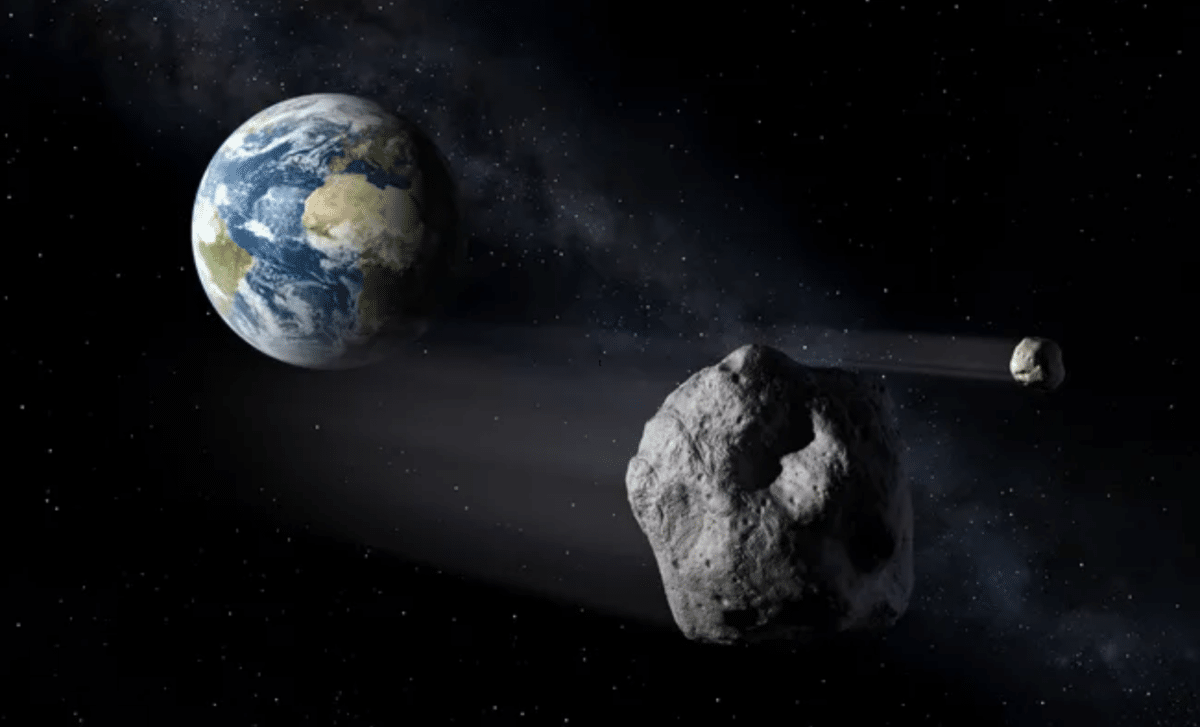
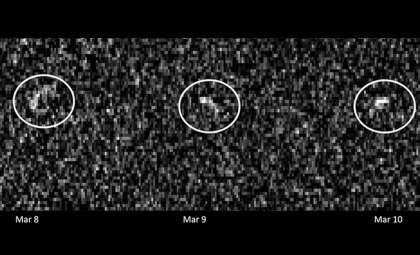
Australian startup HEO Robotics is embarking on an innovative project to observe a rare celestial event: the 2029 close approach of the asteroid Apophis. Their plan involves refurbishing an aging geostationary satellite to take detailed images of the so-called "doomsday" asteroid during its near flyby of Earth. This mission promises fresh insights into asteroid behavior and advances in space exploration techniques.
Transforming End-of-Life Satellites for Space Missions
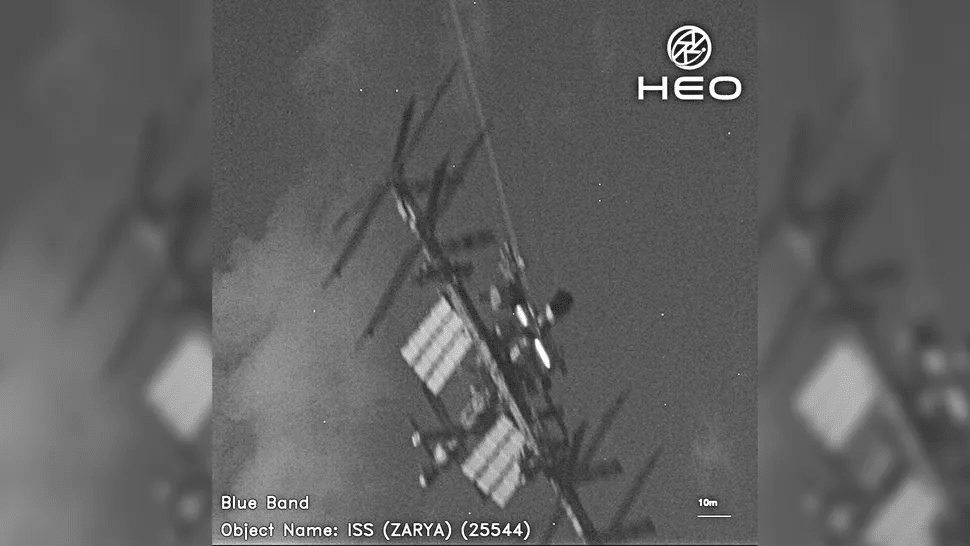
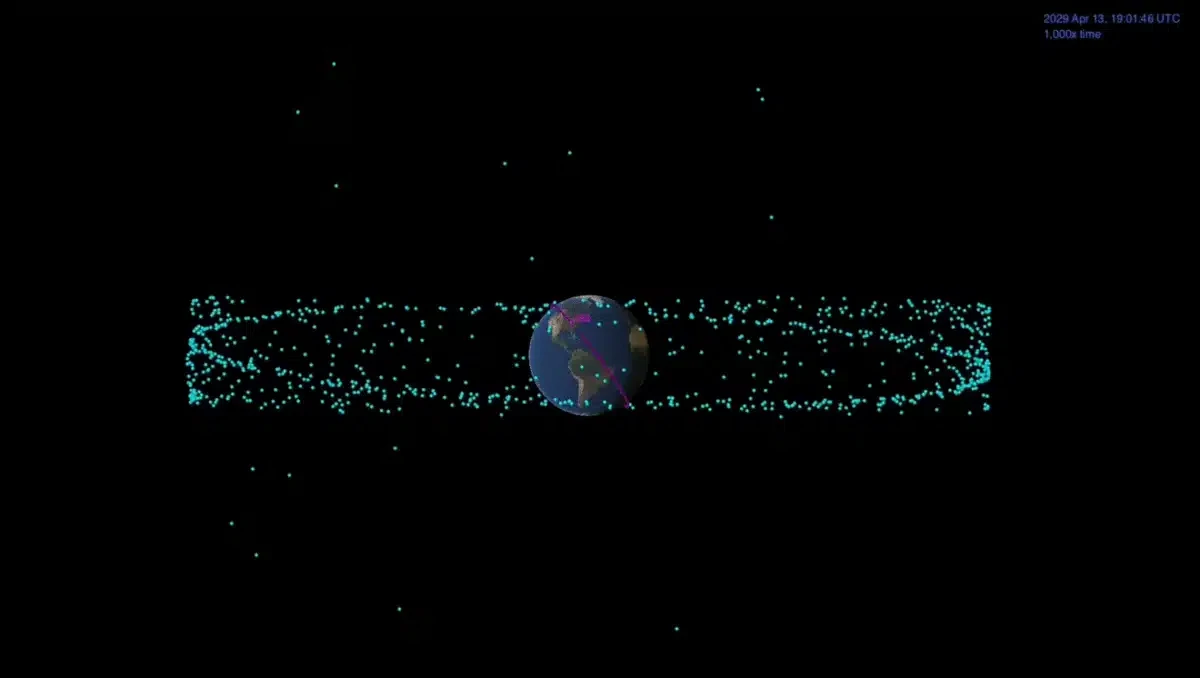
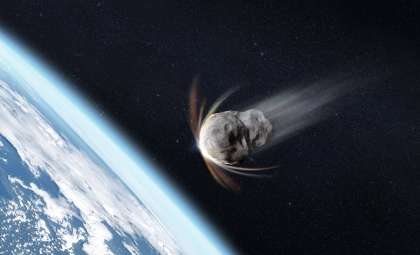
HEO Robotics proposes an inventive strategy by acquiring a satellite close to retirement orbiting geostationary Earth orbit. With remaining fuel resources carefully managed, they aim to redeploy this satellite to capture close-up photos of Apophis when it passes Earth in April 2029. Although designated as a potentially hazardous asteroid, Apophis poses no immediate risk during this event. Its rare approach, occurring once every 7,500 years, offers scientists a unique opportunity to deepen our understanding of such large asteroids.
The asteroid itself spans roughly 1,115 feet (340 meters) and will approach within 5.9 Earth radii. Despite its size and the attention it garners, this flyby serves as an exceptional occasion to scrutinize Apophis' trajectory and its gravitational interplay with Earth. Equipped with cutting-edge imaging systems, HEO Robotics’ satellite aims to contribute significantly to this global observational campaign undertaken alongside agencies like NASA, ESA, and JAXA.

International Collaboration in Apophis Research
In addition to HEO Robotics’ efforts, NASA, the European Space Agency, and Japan’s JAXA are launching missions like OSIRIS-APEX, RAMSES, and DESTINY+ to analyze Apophis before and after its Earth flyby. These projects aim to provide comprehensive data on the asteroid’s makeup, internal structure, and gravitational interactions. China is expected to join this worldwide consortium with its own probe, highlighting the extensive international interest in this event.
HEO Robotics’ novel use of a satellite nearing mission completion showcases an economical and resourceful approach to space exploration. Rather than launching new spacecraft, this strategy repurposes existing technology, potentially revolutionizing how future missions are conducted, particularly in asteroid research.
Will Crowe, co-founder and CEO of HEO Robotics, shared with Space.com at the International Astronautical Congress (IAC) in Sydney that while Apophis is well-known, reaching it poses significant challenges. He emphasized the need for greater creativity in asteroid missions and expressed interest in exploring lesser-known targets. HEO Robotics is already contemplating future expeditions targeting other solar system asteroids.
"Our focus begins with objects passing through the Earth-moon vicinity," Crowe explained, "but there’s no reason this model can’t extend to the asteroid belt and various asteroid types. It’s an achievable goal." His vision points toward making asteroid exploration more accessible, less dependent on traditional launch-and-build methods, and expanding humanity’s reach into the solar system.
- Categories:
- News






0 comments
Sign in to Comment