
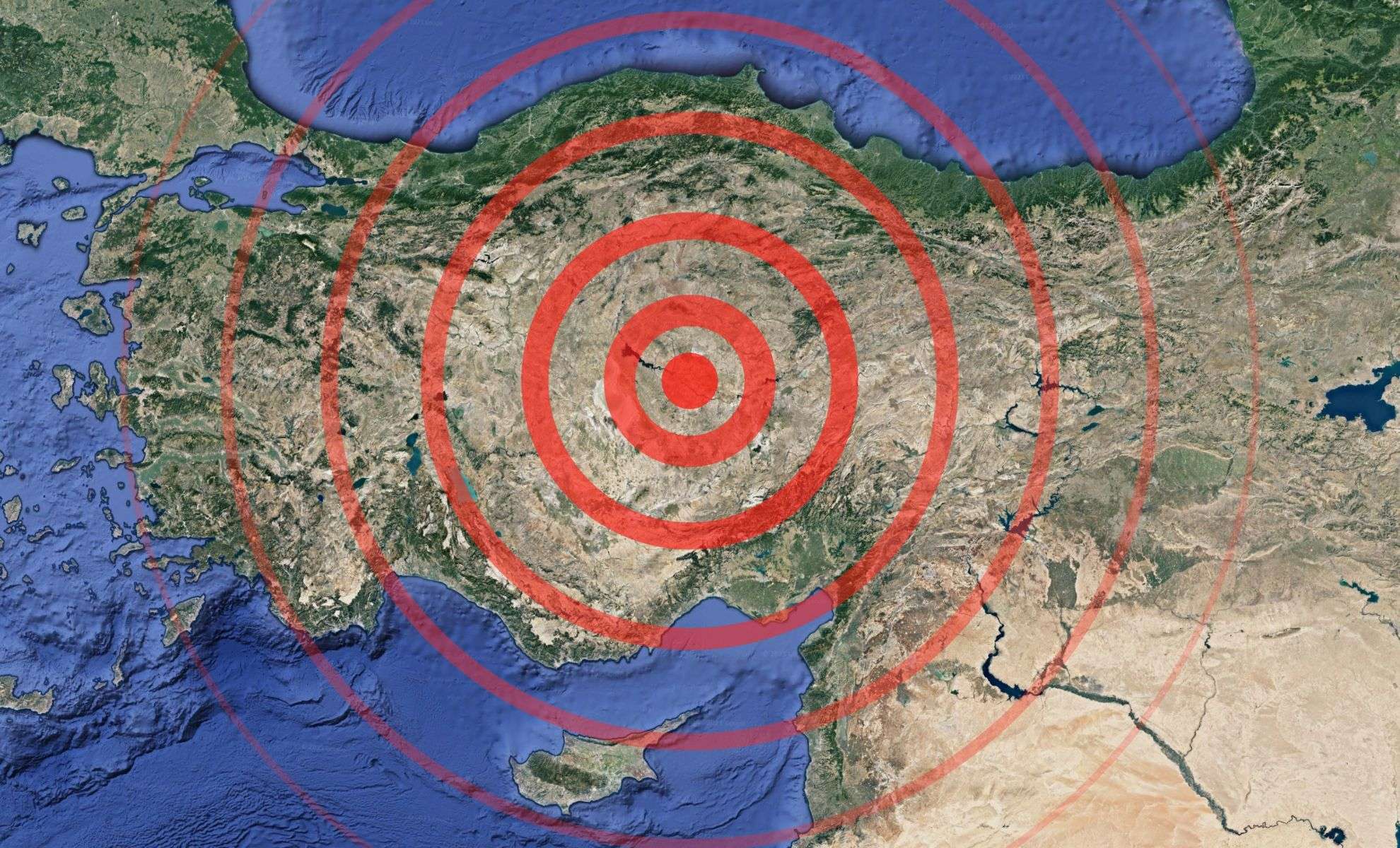
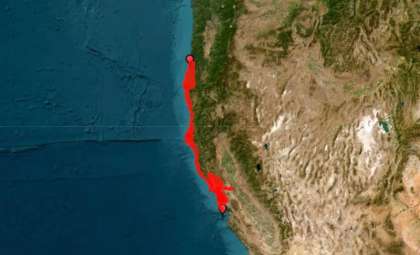
A new investigation led by Tina Dura, a geosciences expert at Virginia Tech, has highlighted increasing concerns about the likelihood of a massive earthquake occurring in the Pacific Northwest region. This research, featured in the Proceedings of the National Academy of Sciences, draws attention to the hazards posed by the Cascadia Subduction Zone, which extends from Northern California through Washington. The study emphasizes the combined dangers of intense seismic activity and climate change-driven sea level rise, stressing the need for urgent disaster readiness to safeguard coastal communities. Dura’s work underscores the vulnerability of this area to a major tectonic event, which could be intensified by environmental changes linked to climate shifts.
Understanding the Cascadia Subduction Zone's Seismic Potential
The Cascadia Subduction Zone represents a vast geological fault where the Juan de Fuca plate descends beneath the North American plate. This subduction zone can generate megathrust earthquakes capable of unleashing tremendous power and impacting a widespread stretch of coastline simultaneously. Dura remarked in an interview with Accuweather, “We anticipate events similar to the Japan 2011 and Sumatra 2004 earthquakes and resulting tsunamis.” The last significant quake here struck in 1700, and according to paleoseismic evidence, such catastrophic earthquakes tend to occur every 200 to 800 years. Since over 300 years have passed since the last major event, there is a credible concern that the region could soon experience another.
Climate Change and Sea Level Rise Intensify the Threat
Beyond the seismic risk alone, sea level rise driven by climate change significantly exacerbates potential hazards. Findings from the study indicate that if a major Cascadia earthquake were to occur now, flood-prone areas might expand by up to 300 square kilometers (116 square miles), increasing exposure of homes, roads, and critical infrastructure to flooding events. Projections suggest that by 2100, flood zones could grow to 370 square kilometers (143 square miles), effectively tripling the land at risk. This combination of land subsidence caused by seismic activity along with higher sea levels acts as a “catastrophic risk multiplier.” Dura noted, “The threat from a Cascadia earthquake extends well beyond ground shaking and tsunamis.”

Probability of a Major Earthquake in the Next Half Century
A striking conclusion from Dura’s research is the forecasted likelihood of a large earthquake over the coming decades. The National Seismic Hazard Model estimates approximately a 15% probability that an earthquake exceeding magnitude 8.0 will strike in the next 50 years. This chance rises to 30% by the year 2100. “These probabilities are sufficiently high to warrant serious preparation measures,” Dura emphasized. These statistics highlight the critical importance of implementing preventative strategies to limit damage and ensure readiness for the inevitable seismic event.
Implications of Sudden Land Subsidence on Coastal Urban Areas
Rapid land subsidence triggered by a powerful earthquake along the Cascadia Subduction Zone could further exacerbate risks to urban coastal regions. Dura explained, “The abrupt sinking of land during the quake can quickly enlarge flood zones, leaving low-lying neighborhoods more exposed to flooding permanently, especially with ongoing sea-level rise.” This phenomenon could lead to long-term devastation for communities and infrastructure already threatened by climate change. The interplay of rising oceans and sudden earth shifts would make coastal cities far more vulnerable to future flooding events, compounding the disaster's impact.
Steps Toward Preparedness: Personal and Community Measures
Addressing such a scenario necessitates coordinated action at both individual and community levels. Dura advises that individuals educate themselves about local evacuation zones, prepare emergency supplies by assembling a go-bag, and plan for at least a week of self-sufficiency during an event. For residents in earthquake-prone areas along the West Coast, this is an essential precaution. On a broader scale, Dura calls for increased investment in resilient infrastructure and revisions to land-use policies that reflect both seismic and flooding risks linked to climate change. Priority should be given to protecting vulnerable populations through improved emergency response plans and mitigation strategies to enhance overall community resilience.
- Categories:
- News






0 comments
Sign in to Comment