
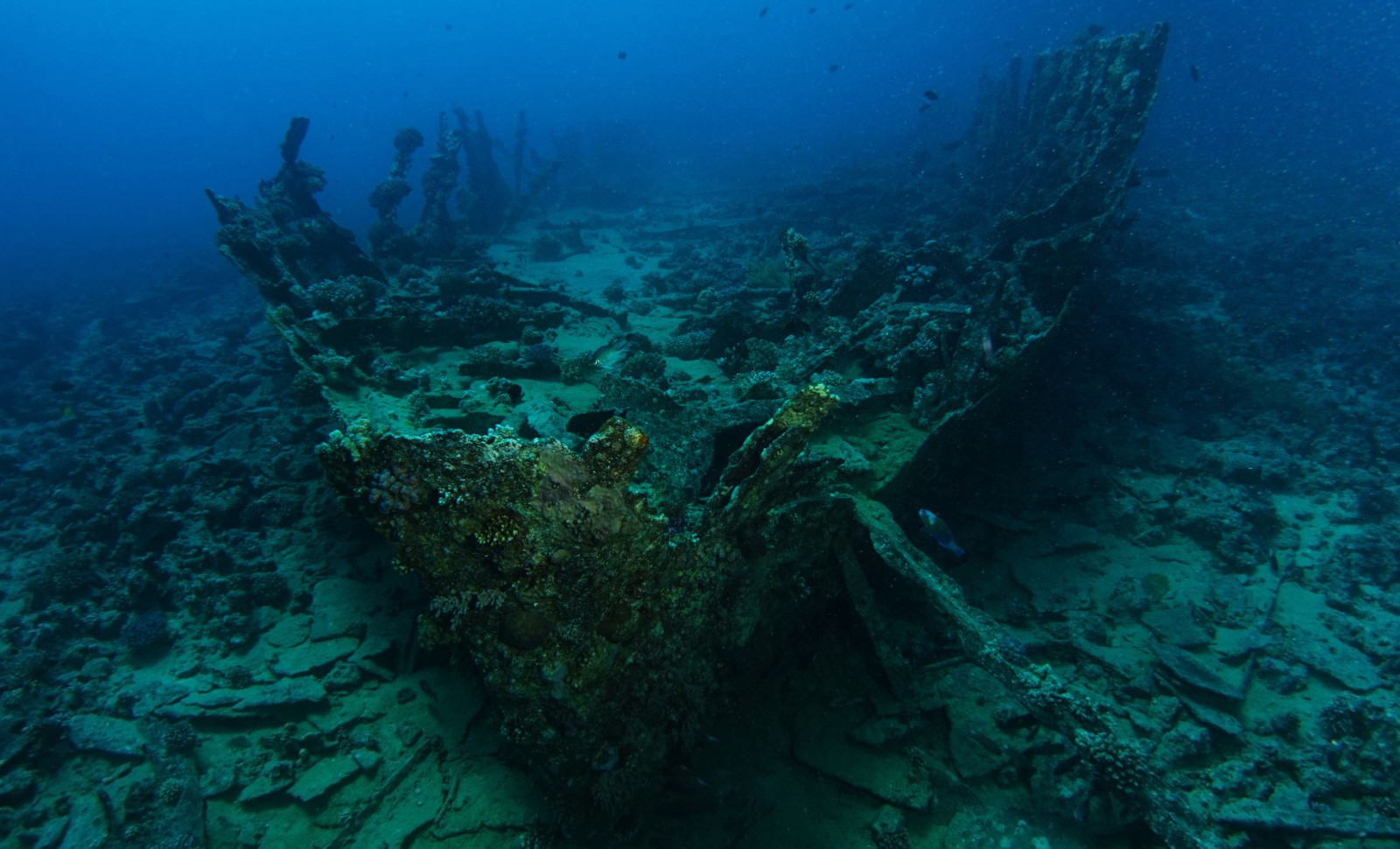
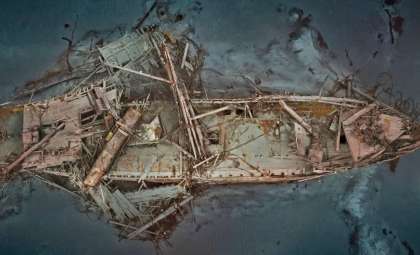
Two vintage beer bottles discovered in a shipwreck near the Åland Islands, Finland, have granted experts a unique glimpse into 1840s brewing techniques. The vessel sank more than 170 years ago while transporting a variety of luxury items, including beer and champagne. Despite prolonged exposure to seawater, the beer remnants have been scientifically examined.
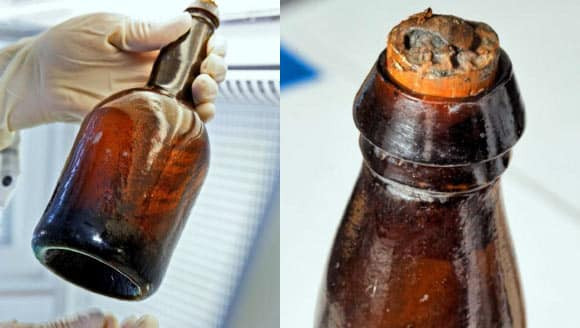
The shipwreck was located in 2010, revealing 150 champagne bottles and five beer bottles. One beer bottle cracked during retrieval, and divers noted the liquid retained a beer-like flavor, although diluted by seawater. This prompted further study led by Dr. Brian Gibson and his team from VTT Technical Research Centre, aiming to uncover the composition of this historic beer.
Insights Into 19th-Century Brewing
The researchers reported that the beer recovered from the wrecked ship differed substantially from contemporary brews, although the ship's detailed identity remains unknown.

Notably, the beer’s alcohol content was lower, measuring between 2.8% and 3.2%, compared to the usual 4-5% of modern beers. Elevated sodium levels, likely due to seawater contamination, were evident, yet enough of the original stout components remained to help reconstruct its initial flavor profile.
The analysis showed potassium levels comparable to those found in present-day beers, but the saltwater exposure was clear from the heightened sodium content. Despite this, the beer retained enough original elements to provide insights into its original character before the shipwreck occurred.
Distinct Beer Varieties in a Single Wreck
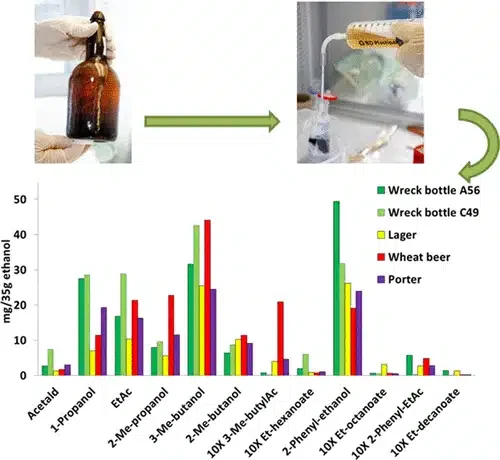
Analysis revealed the two bottles contained different beer styles. Per the study published by the American Chemical Society, one was similar to a light lager, characterized by low bitterness and a lighter hue, whereas the other featured a much stronger hop presence, more typical of an ale from the 1800s.
“Both beers were acidic, with pH about 1 unit below modern values,” the researchers wrote. “The color strengths were in the range of modern ales and lagers, and much lower than porters or stouts.”
This suggests that brewing practices in the 19th century may have been simpler and less refined than current methods.
Preservation in Marine Environment
It’s remarkable that any of the beer survived after spending more than a century and a half underwater. Researchers noted chemical alterations in the liquid over time; for instance, sulfur dioxide, common in fresh beer, was absent, likely due to oxidation during submersion.
The protein content in both samples was also remarkably low, implying that the fermentation processes of that era were less developed than those used today. Still, the beers maintained enough distinctive traits to allow reconstruction of their original brewing methods, offering a captivating window into historic beer production.
- Categories:
- Science








0 comments
Sign in to Comment