
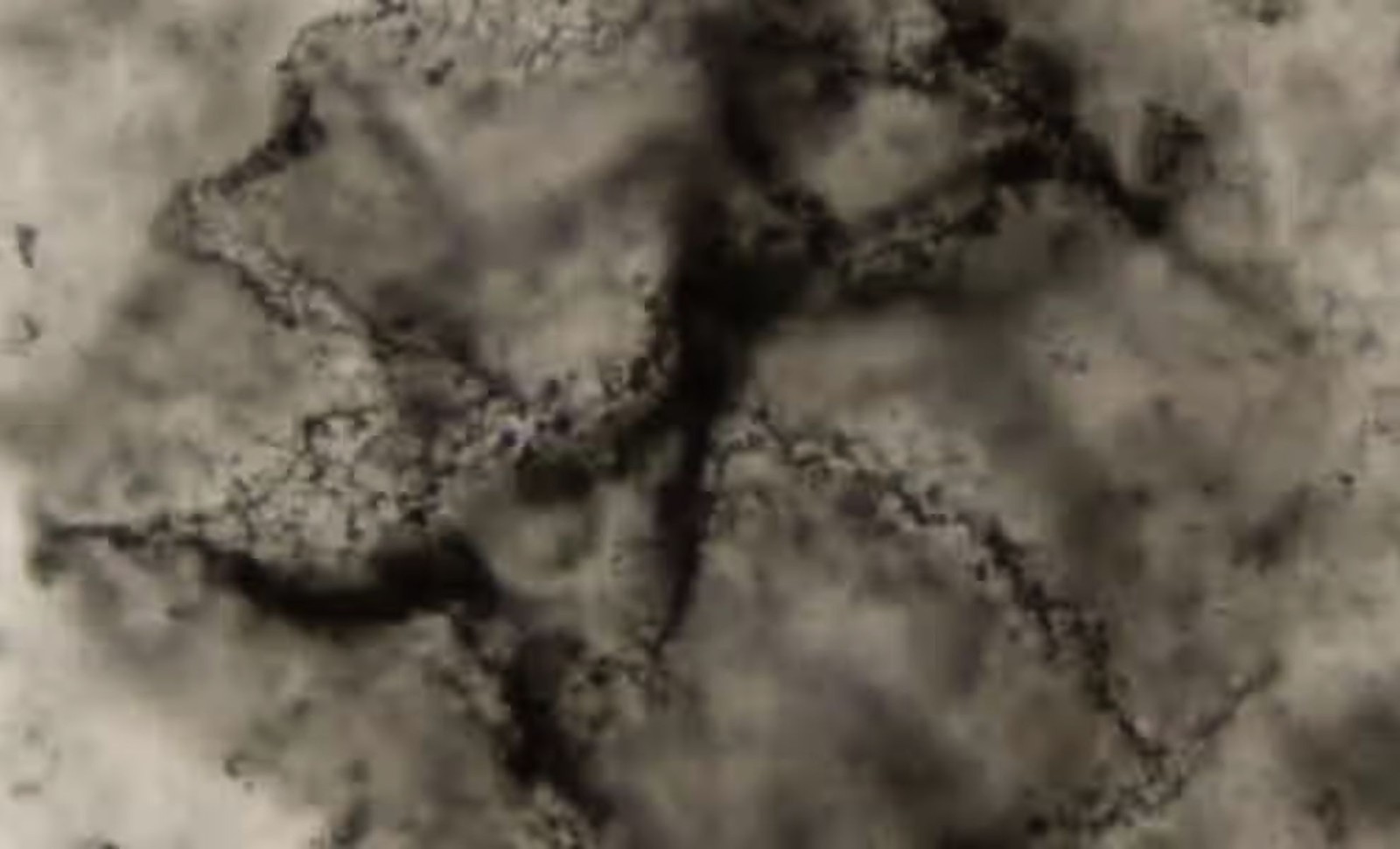
Researchers have identified chemical traces indicating life in rocks dating back more than 3.3 billion years. Leveraging artificial intelligence (AI), they uncovered faint molecular signatures of early biological processes, suggesting that oxygen-generating photosynthesis began nearly a billion years earlier than previously believed.
The investigation, spearheaded by the Carnegie Institution for Science, integrated state-of-the-art chemical analysis and machine learning to reveal these primordial biosignatures. By training AI models to detect subtle molecular patterns preserved despite billions of years of geological transformations, they reconstructed a clearer image of early life on our planet.
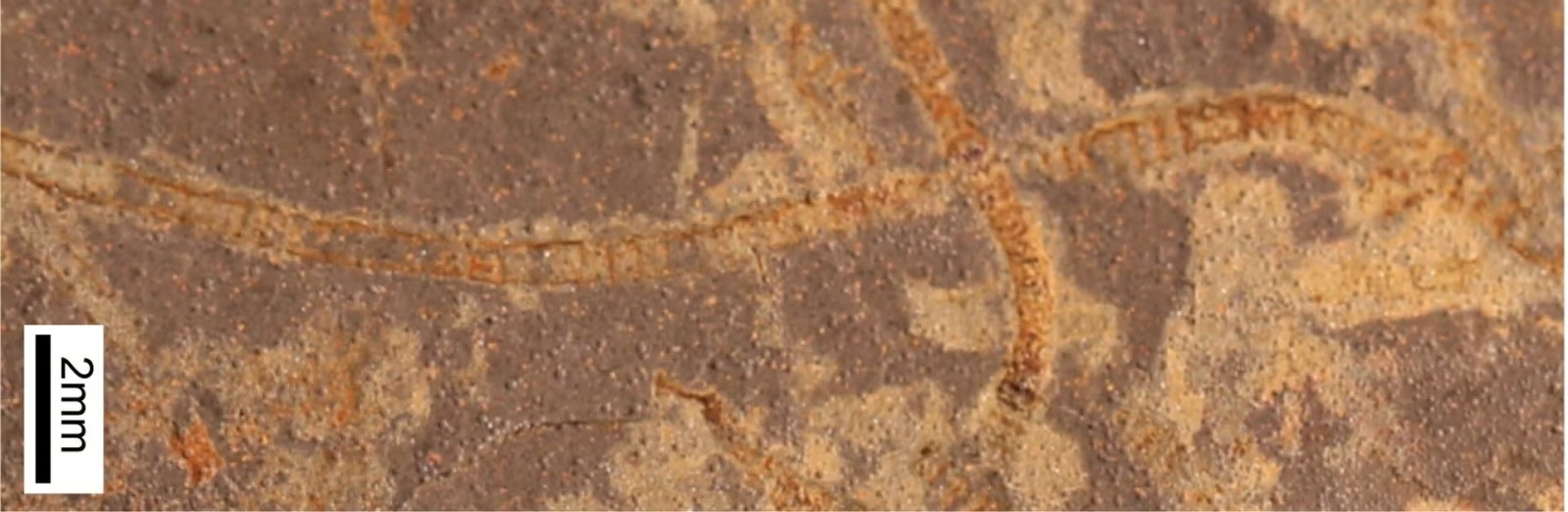
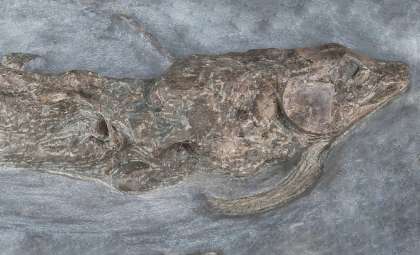
A key contributor to the project was Katie Maloney from Michigan State University, who supplied fossilized specimens of some of the oldest known seaweeds. These fossils, found in Yukon Territory and preserved for over a billion years, provide one of the earliest glimpses of complex organisms on Earth.

Harnessing AI to Detect Ancient Biological Marks
Studying early life becomes challenging as molecular evidence often deteriorates over deep time. Fossils have frequently been buried, compressed, and altered due to tectonic activity, erasing many biosignatures. Identifying life’s chemical remnants in such degraded samples presents a major scientific challenge.
The team trained machine learning systems to analyze molecular data patterns, enabling detection of biological signatures that would otherwise remain unnoticed. The findings, detailed in Proceedings of the National Academy of Sciences, demonstrate that AI can reliably interpret these ancient chemical clues. Dr. Robert Hazen, a senior scientist at Carnegie and co-author, commented:
“Ancient life leaves more than fossils; it leaves chemical echoes. With machine learning, we can now, finally, reliably interpret those echoes.”
The technique was applied to rocks as old as 2.5 billion years, successfully identifying chemical indicators of photosynthesis, the process that eventually enriched Earth’s atmosphere with oxygen. This advancement enables scientists to detect early life signs in previously inaccessible geological contexts.
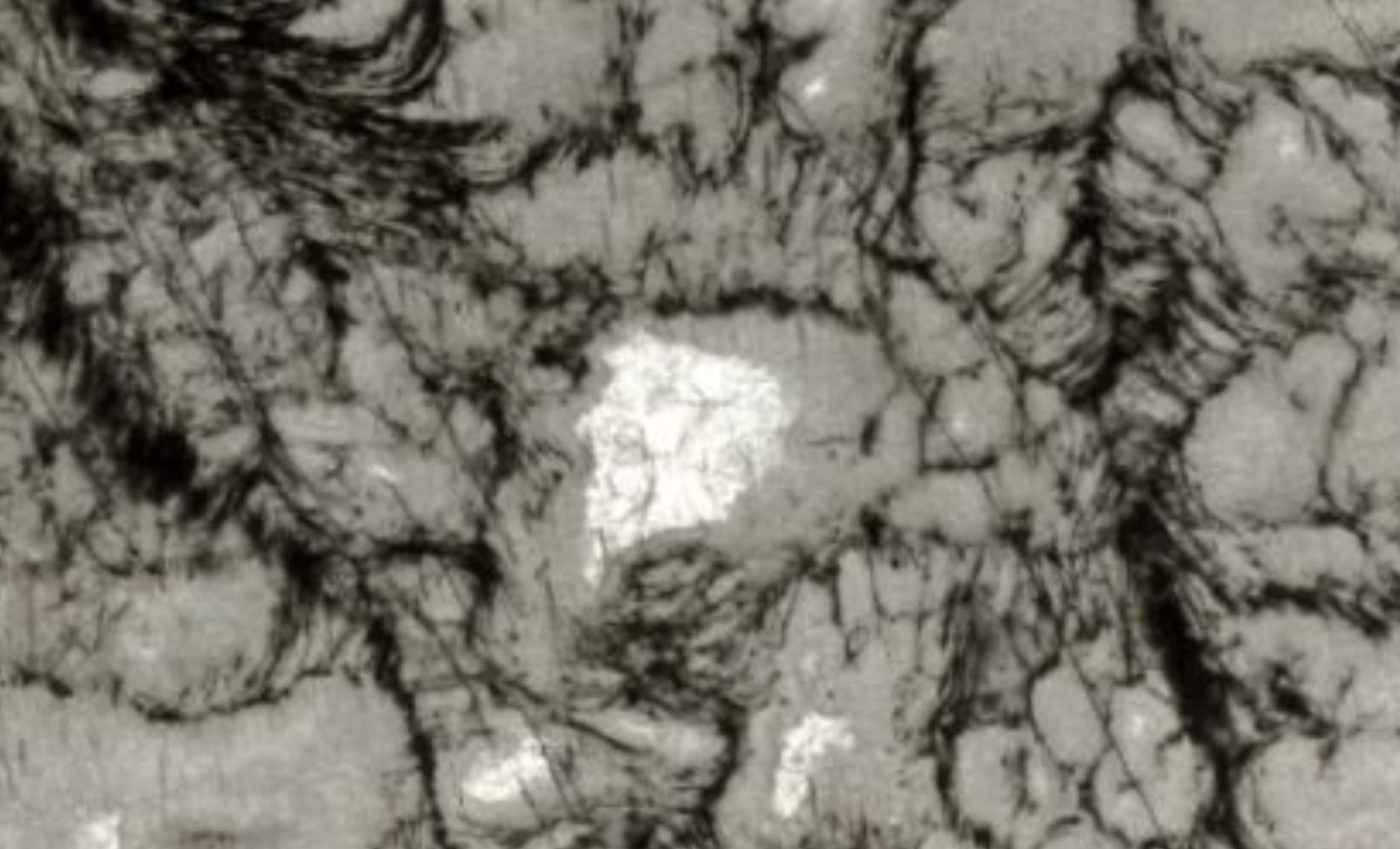
Potential for Discovering Extraterrestrial Life
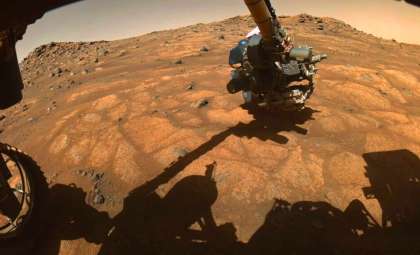
This innovative approach could extend to extraterrestrial geology, examining rocks from Mars, Europa, and beyond. Unlike Earth, other planets lack a known fossil record, so detecting chemical biosignatures could be key. According to Dr. Hazen, applying this AI method to samples from other worlds might reveal chemical fingerprints left by extinct alien organisms, if they ever existed.
With planned space missions targeting Mars, Europa, and other planetary bodies, this research offers a promising avenue for uncovering signs of life beyond Earth, using AI to reveal what was previously undetectable.
Rewriting the Timeline of Photosynthesis Origins
For many years, the emergence of oxygen-producing photosynthesis — characteristic of plants and algae — was dated to around 2.3 billion years ago. However, this new evidence pushes that origin back by nearly a billion years, altering our understanding of life’s evolutionary timeline.
This significant revision impacts our view of early biological development. Katie Maloney, an authority on ancient complex life, explains:
“Ancient rocks are full of interesting puzzles that tell us the story of life on Earth, but a few of the pieces are always missing. Pairing chemical analysis and machine learning has revealed biological clues about ancient life that were previously invisible.”
- Categories:
- Science





0 comments
Sign in to Comment