
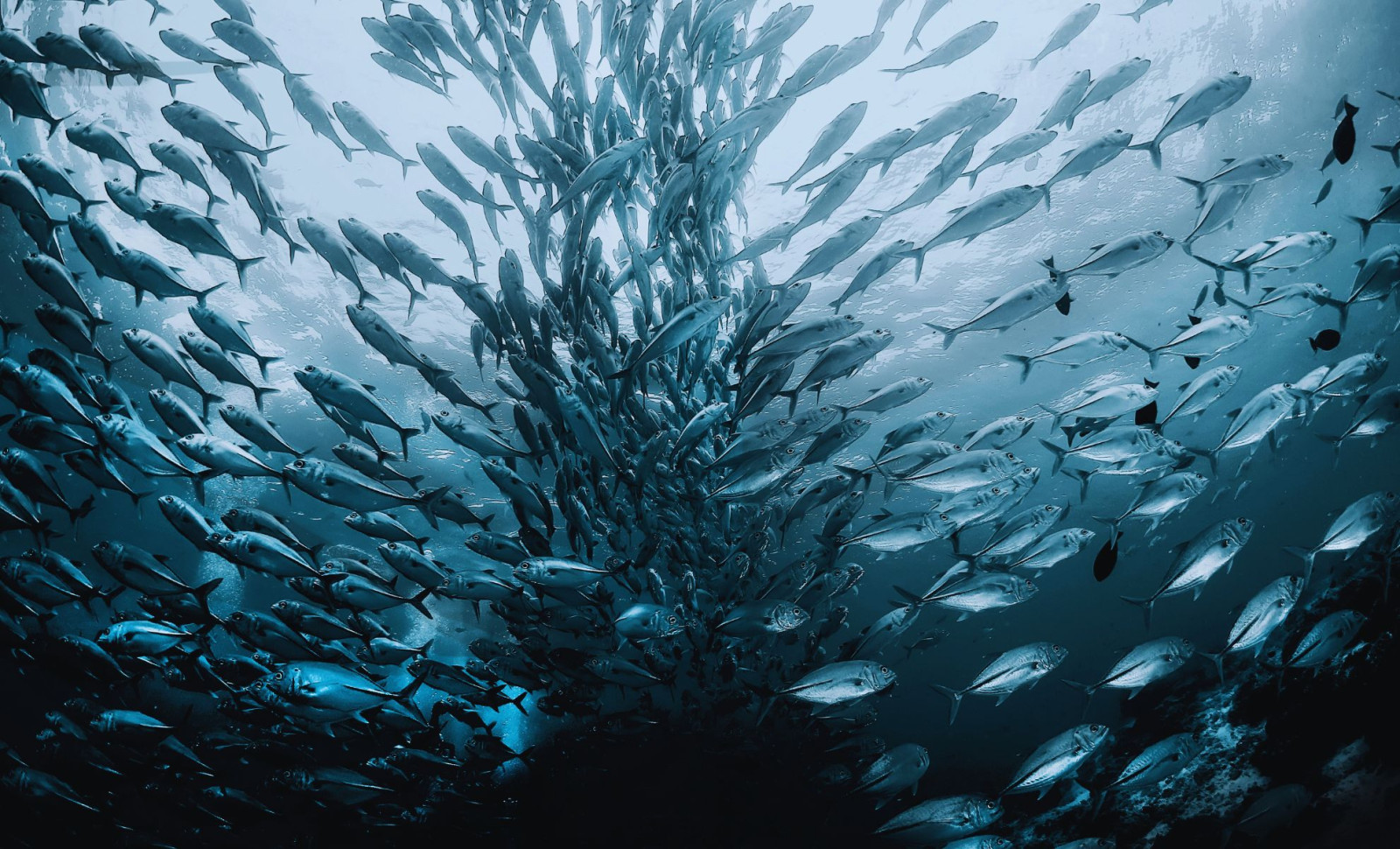
Scientists have documented an extraordinary marine feeding frenzy where more than 10 million fish were rapidly consumed off Norway's coast. Utilizing cutting-edge acoustic monitoring, this event is considered the largest predator-prey interaction observed in real time in ocean ecosystems.
The spectacle unfolded during the February spawning period in the Barents Sea, as capelin amassed in vast numbers for reproduction. This dense congregation unexpectedly triggered a massive hunting response from the Atlantic cod.
Collaborating researchers from MIT and Norwegian institutions provided an unprecedented glimpse into large-scale predator-prey behavior. Their analysis was published in Nature Communications Biology.

Dense Shoal Acts as a Beacon for Predators
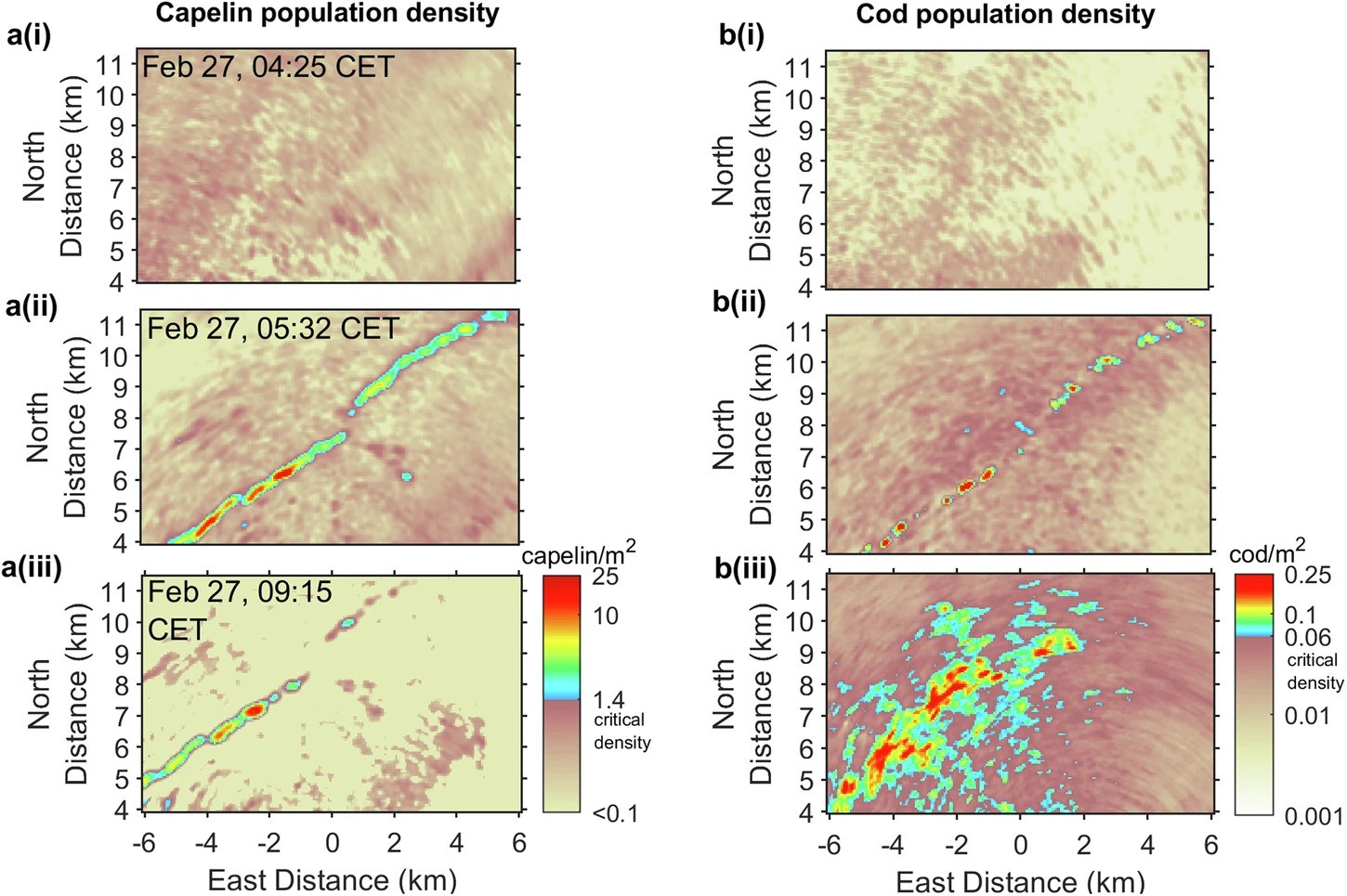
The research described the capelin forming an intense shoal stretching over 10 kilometers. Such density aligns with a known behavior where the fish synchronize their movements into a cohesive group. Lead investigator Nicholas Makris explained:
“That’s not an issue for a healthy population with many spatially distributed population centers or ecological hotspots.”
Makris highlighted that this compact grouping served as a luminous signal underwater, attracting vast numbers of cod which immediately coordinated their attack. The team employed the Ocean Acoustic Waveguide Remote Sensing (OAWRS) technology, which detects species-specific acoustic signatures, as fish swim bladders resonate differently depending on species. Cod generate lower-frequency sounds, while capelin produce higher frequencies.
An Unprecedented Feeding Event Unfolding Rapidly
Once the cod appeared, the predation accelerated swiftly. The research reveals that about 2.5 million cod aggregated, devouring over 10 million capelin within hours. In a statement shared via MIT News, Makris stated:
“What we’re finding is capelin have this critical density, which came out of a physical theory, which we have now observed in the wild,” He noted. “If they are close enough to each other, they can take on the average speed and direction of other fish that they can sense around them, and can then form a massive and coherent shoal.”
According to the researchers, this marks the first occasion that such a large-scale predator-prey event has been tracked live over an extensive area.
Crucial Species Facing Environmental Challenges
While astonishing, the observed shoal represented just about 0.1% of the entire spawning capelin population within the region. Capelin, however, are a pivotal species in the Arctic marine food web, supporting cod and other apex predators. There are growing environmental pressures impacting their survival.
The report highlights that with the ongoing Arctic ice decline, capelin must travel greater distances to reach breeding sites, increasing their vulnerability and potentially leading to more frequent events like this predation frenzy.
Makris emphasized another crucial point: sudden disappearances of large shoals might indicate broader ecological disruptions. In this context, tools such as OAWRS are essential to monitor subtle changes before they escalate.
- Categories:
- Science






0 comments
Sign in to Comment