
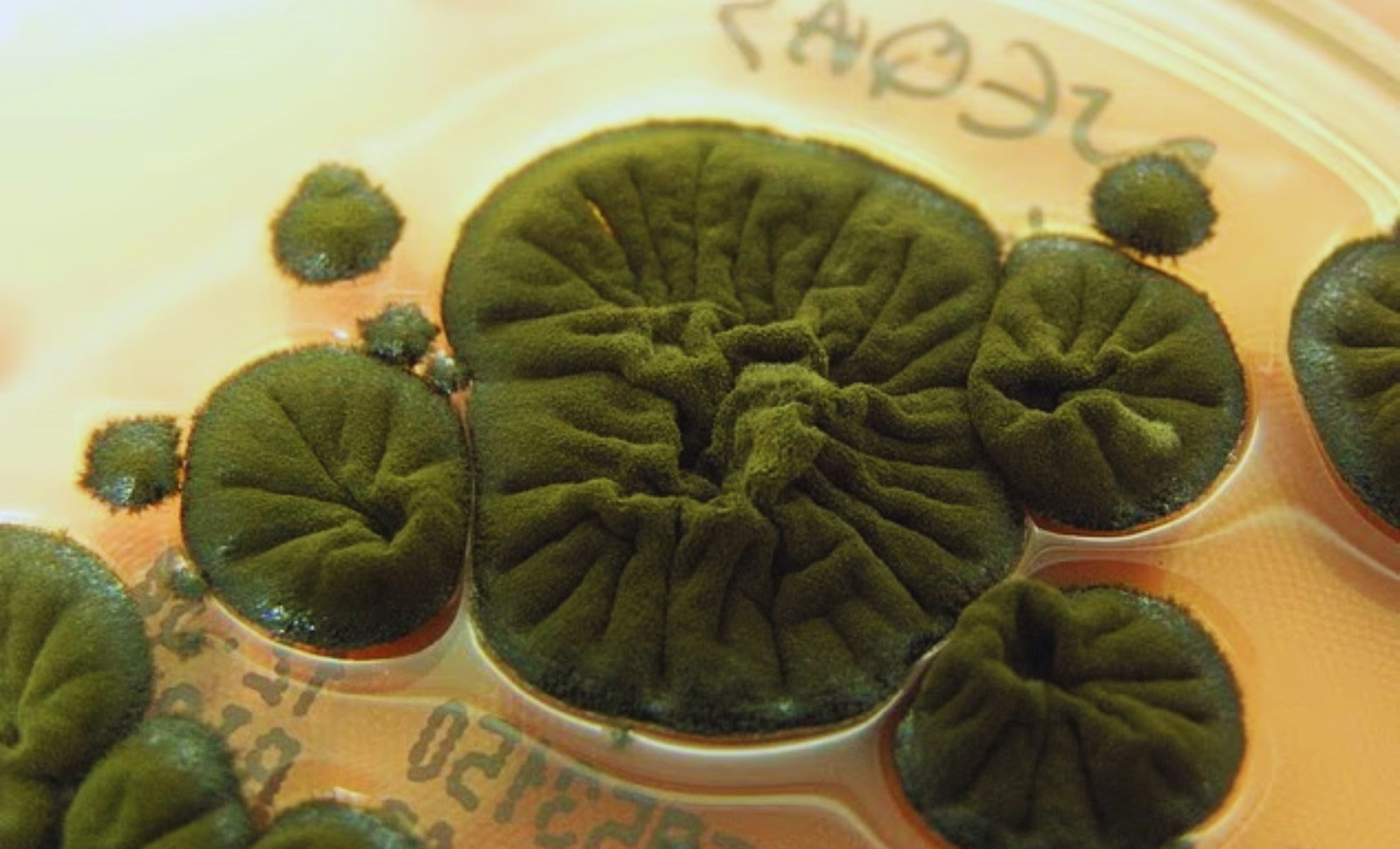
Within the shattered remains of Chernobyl’s Unit Four reactor, a resilient black fungus is not only surviving but thriving. The fungus Cladosporium sphaerospermum seems to flourish under ionizing radiation, sparking curiosity about its unique relationship with this harmful energy source, previously unseen in complex organisms.
More than three decades after the 1986 nuclear catastrophe, the exclusion zone around Chernobyl remains largely inaccessible due to dangerous radiation levels. However, microbial communities have steadily established themselves in this otherwise hostile environment, adapting in extraordinary ways.
Fungal Life Flourishing Inside the Reactor's Shelter
Back in the late 1990s, microbiologist Nelli Zhdanova from the Ukrainian National Academy of Sciences embarked on an expedition to study the shelter encasing the destroyed reactor. Her team uncovered an impressive diversity, identifying 37 species of fungi inhabiting the irradiated area.

Many fungi discovered were heavily pigmented with melanin, a compound known to absorb radiation and protect cells from damage. Among these, Cladosporium sphaerospermum was the most abundant and showed the greatest radioactive contamination levels, drawing particular attention.
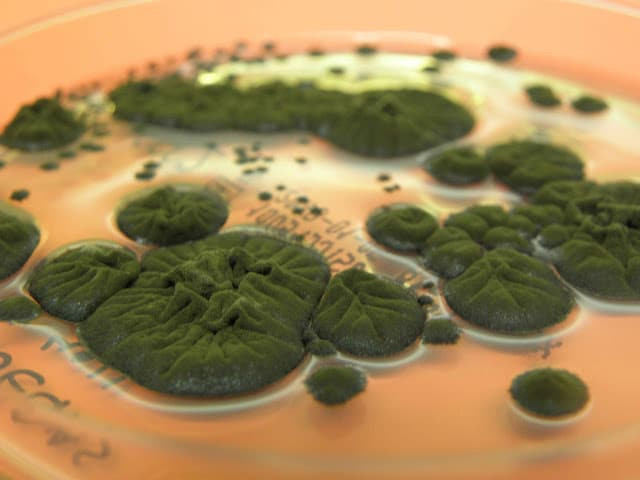
The discovery of such a rich fungal community in a site with extreme radiation surprised scientists, who had anticipated life would be scarce or absent. The robust diversity was more remarkable than simply the presence of organisms.
Growth Stimulated by Radiation Exposure
Ionizing radiation is powerful enough to eject electrons from atoms, a process capable of breaking molecular bonds and deteriorating DNA strands. While this radiation can increase cancer risks in humans and destroy cells, it is also used intentionally in medicine to eliminate tumors.
Yet studies conducted by Ekaterina Dadachova and Arturo Casadevall at Albert Einstein College of Medicine found that Cladosporium sphaerospermum responded differently. Their research, published in PLOS One, showed that instead of being inhibited, the fungus actually exhibited increased growth when exposed to ionizing radiation.
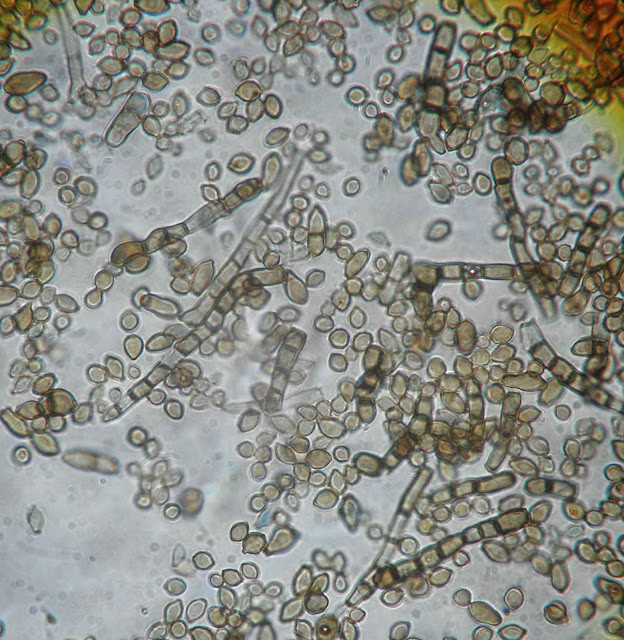
The team also noted that radiation affected the fungus’s melanin in a way that could resemble photosynthesis. In their 2008 publication, Dadachova and Casadevall proposed the term radiosynthesis to describe this hypothetical mechanism, where melanin captures ionizing radiation and converts it into chemical energy while protecting the fungus.
An Unproven Theory in Progress
The radiosynthesis concept remains unconfirmed. Scientists have yet to verify carbon fixation powered by ionizing radiation or to identify any metabolic pathways proving that radiation energy is converted into usable chemical forms. Stanford engineer Nils Averesch and others have remarked:
“Actual radiosynthesis, however, remains to be shown, let alone the reduction of carbon compounds into forms with higher energy content or fixation of inorganic carbon driven by ionizing radiation.”
Additionally, not all melanin-containing fungi react identically to radiation. While black yeast Wangiella dermatitidis displays increased growth under ionizing radiation, Cladosporium cladosporioides produces more melanin when exposed to gamma or UV rays but does not experience enhanced growth.
From the irradiated remains of Chernobyl to studies conducted in outer space, the black fungus Cladosporium sphaerospermum continues to intrigue researchers, with the exact nature of its interactions with ionizing radiation still unknown.
- Categories:
- Science





0 comments
Sign in to Comment