
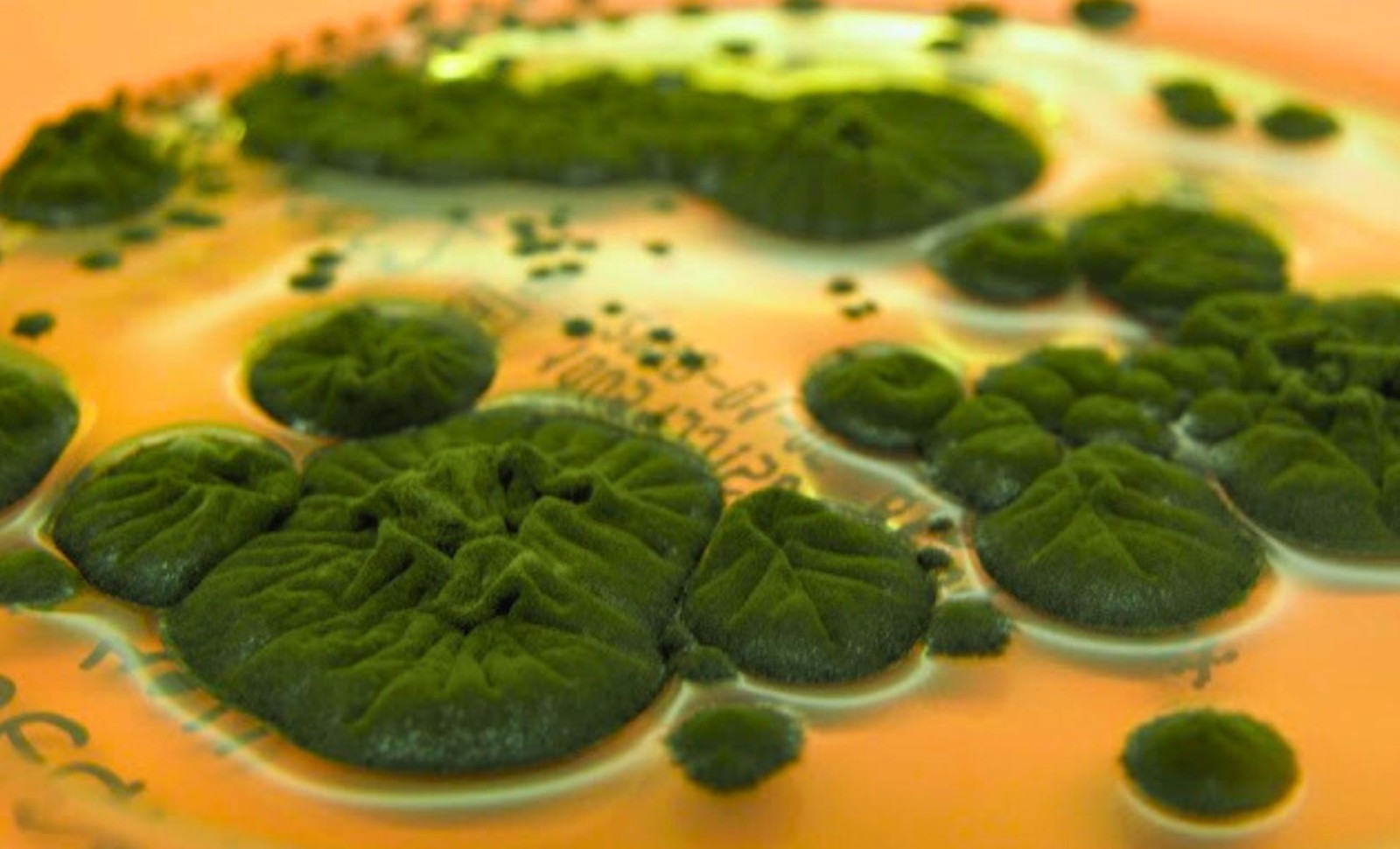
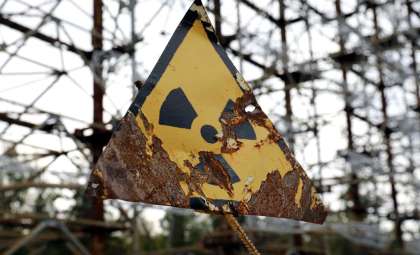
Amidst the cracked ruins and persistent radiation of the Chernobyl Nuclear Power Plant, a tiny organism has flourished where humans dare not tread. First observed in the late 1990s, a dark-hued fungus—Cladosporium sphaerospermum—was found colonizing the walls of Reactor 4, an area still irradiated nearly 40 years after the catastrophic 1986 disaster.
Its survival was astonishing, defying expectations. Scientists identified this melanized fungus not only enduring but thriving in zones saturated with radiation, forming thick clusters deep within the plant’s interior. This breakthrough, first reported by Nelli Zhdanova and her colleagues in a 2000 paper analyzing fungal diversity in the exclusion zone, challenged traditional views about life’s ability to cope with ionizing radiation.
The intrigue deepened when researchers brought the fungus into laboratory conditions and subjected it to controlled radiation levels. Surprisingly, C. sphaerospermum exhibited accelerated growth under radiation compared to normal environments. This unexpected behavior sparked ongoing scientific exploration: might this fungus be able to convert radiation into usable energy?

A Novel Energy Conversion Process: Radiosynthesis
In a pioneering 2007 study by Ekaterina Dadachova and Arturo Casadevall published in PLOS ONE, researchers proposed an extraordinary hypothesis. They discovered that exposure to radiation could modify the chemical properties of melanin, the dark pigment abundant in the fungus’s cell walls. Under ionizing radiation, melanin appeared to alter its redox state, potentially enabling an energy-harvesting mechanism analogous to photosynthesis.
Photosynthesis in plants relies on chlorophyll to capture sunlight and convert it into chemical energy by fixing carbon. This process is well documented in Wikipedia’s photosynthesis entry. By contrast, the concept of "radiosynthesis" remains speculative. Dadachova’s team highlighted that although the fungus’s enhanced growth under radiation is clear, definitive proof of carbon fixation or ATP generation through radiation has yet to be established.
Nevertheless, the similarities are striking. "Melanin may act similarly to chlorophyll," the authors noted, "facilitating the transformation of ionizing radiation into chemical energy." Yet the precise metabolic mechanism is still unknown.
Space Station Studies Reveal Radiation Resilience
In 2020, the investigation advanced when Cladosporium sphaerospermum was sent aboard the International Space Station to observe its reaction to cosmic radiation. Attached to the ISS exterior, the fungus endured constant bombardment from high-energy particles. Sensors recorded a modest yet measurable reduction in radiation levels beneath fungal colonies compared to controls.
This research, led by Nils Averesch at Stanford and published in Frontiers in Microbiology, primarily examined biological radiation shielding. Although not designed to validate radiosynthesis, findings suggested the fungus was doing more than merely surviving radiation exposure.
The fungus demonstrated both protective capabilities against radiation and ongoing viability in harsh conditions, raising prospects for using melanized fungi as self-propagating bio-shields for extended space travel.
Variations Among Melanized Fungi
It’s important to note that not all black fungi exhibit this radiation-enhanced growth. For example, species like Wangiella dermatitidis also thrive under gamma radiation, whereas Cladosporium cladosporioides produces greater melanin amounts but does not show faster growth. These differences highlight how C. sphaerospermum may possess distinct evolutionary traits tailored to the radioactive environment of Chernobyl.
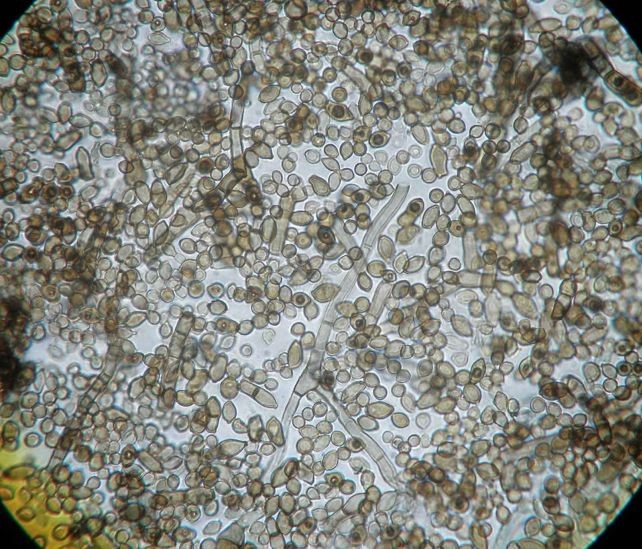
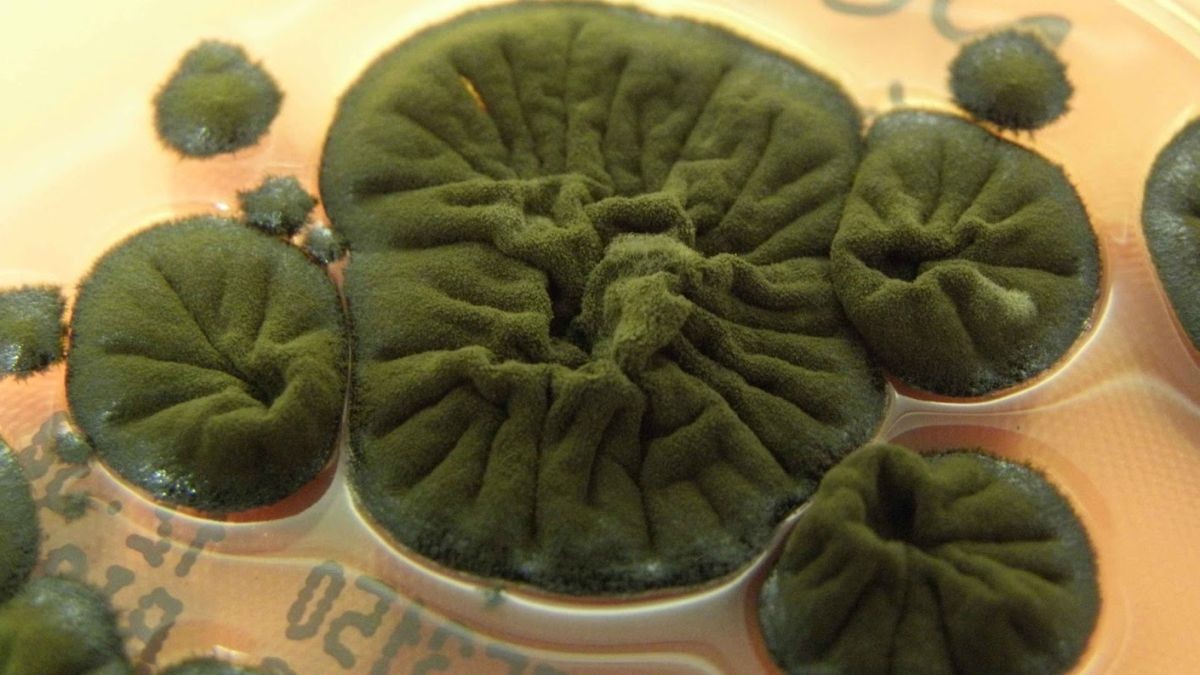
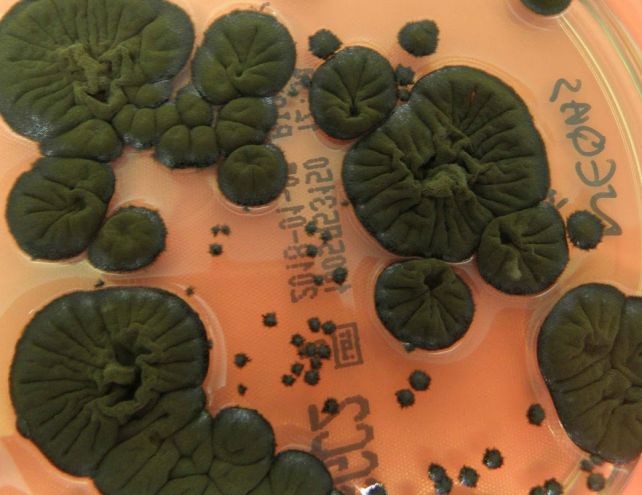
Insights from the clinical mycology resource Atlas Micologia describe the fungus in culture as slow-growing, typically olive-black with a dense, velvety texture. Though viewed as a contaminant and rarely harmful clinically, its unusual response to radiation stands out.
Despite its mild medical profile, this fungus’s interaction with radiation is extraordinary.
Implications for Space Exploration
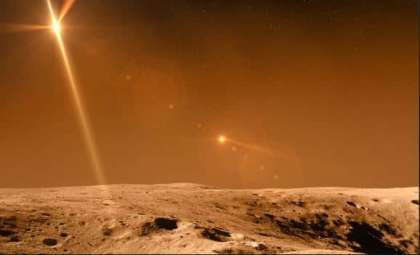
If a fungus can endure—and possibly utilize—ionizing radiation, the findings have broad implications for space biology. Melanin-rich microorganisms could potentially be engineered as biological radiation shields for astronauts on missions to destinations like Mars or the Moon. Given their light weight, ability to grow on simple substrates, and self-replication, these fungi offer a promising biological approach to mitigate one of space travel’s primary hazards.
Both NASA and ESA have shown interest in advancing biomanufacturing in space, leveraging regenerative systems to support human life beyond Earth. The resilience of C. sphaerospermum under extreme conditions makes it a compelling candidate for ongoing research in astrobiology, materials science, and bioengineering.
Moreover, this raises the intriguing possibility that life existing in other high-radiation worlds—such as beneath the surface of Mars or beneath Europa’s icy shell—might employ similar survival strategies.
Remaining Mysteries Surrounding This Fungus
Cladosporium sphaerospermum continues to present a scientific enigma—despite nearly twenty years of study, the exact mechanism by which it leverages radiation remains elusive. No direct metabolic pathway, carbon fixation process, or ATP data has been conclusively established to explain its radiation-driven growth.
Nevertheless, accumulating evidence indicates this organism interacts with radiation in ways that transcend mere protection or stress response. As Nils Averesch and collaborators emphasized in their 2022 paper, the specific biological function of radiation interaction in melanized fungi "remains poorly understood." This mystery only adds to the significance and fascination of the phenomenon.
- Categories:
- Science





0 comments
Sign in to Comment