
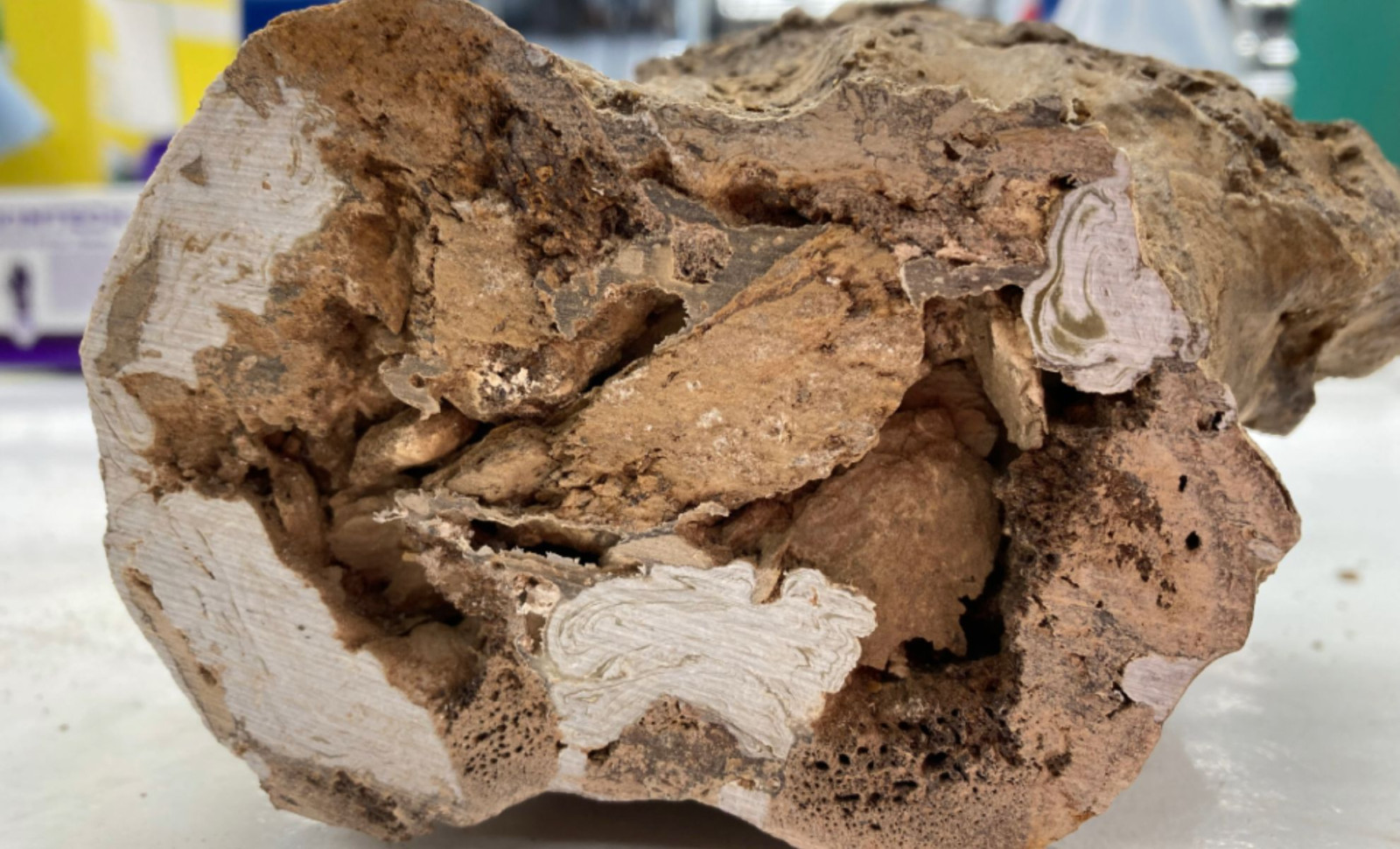
New research indicates that original protein fragments may have persisted in dinosaur bones for more than 66 million years. Scientists at the University of Liverpool discovered these molecules within a remarkably well-preserved Edmontosaurus fossil, overturning the assumption that dinosaur skeletons consist only of minerals. This study proposes that some fossils retain ancient molecular signatures from the dinosaur era.
Historically, it was believed that organic compounds in fossils would inevitably break down over such immense timescales. The potential survival of proteins in ancient bones has fueled spirited discussions among paleontologists. Published in Analytical Chemistry in 2025, the investigation demonstrates that advancements in analytical technology now enable the detection of biomolecules once thought irretrievable.
Collagen Remains Found in Edmontosaurus Hip Bone
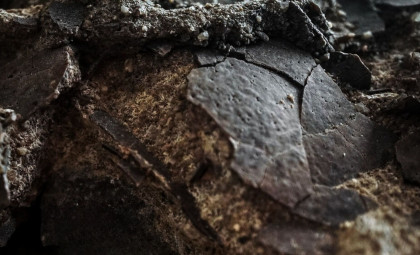
The research focused on a 22-kilogram Edmontosaurus sacrum, a component of the dinosaur’s pelvic region, excavated from the Hell Creek Formation in South Dakota. The study revealed traces of collagen, a key protein responsible for bone structure. To confirm originality, the researchers employed several techniques, including protein sequencing and diverse forms of mass spectrometry, ensuring the detected molecules were intrinsic to the fossil and not contamination.

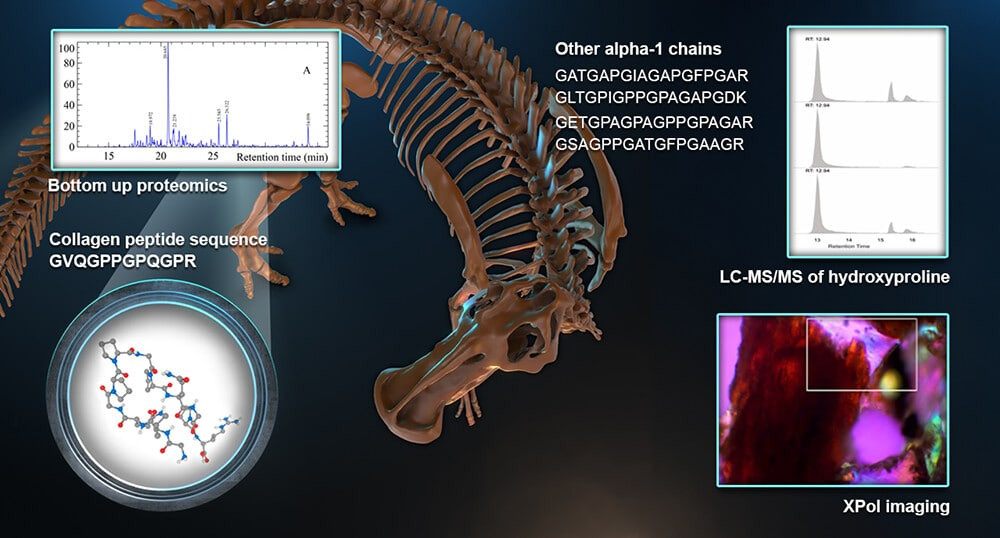
The presence of hydroxyproline, an amino acid closely associated with bone collagen, further confirmed the findings. Professor Steve Taylor, head of the Mass Spectrometry Research Group at the University of Liverpool, stated:
“This research shows beyond doubt that organic biomolecules, such as proteins like collagen, appear to be present in some fossils.” He added: “Our results have far-reaching implications. Firstly, it refutes the hypothesis that any organics found in fossils must result from contamination.”
Detection of Soft Tissues in Ancient Dinosaur Remains
The debate over preservation of soft tissue and protein fragments in dinosaur fossils has persisted for more than three decades. Pioneering findings, such as Mary Schweitzer’s 2005 discovery of soft tissue in a Tyrannosaurus rex, encountered skepticism, with critics attributing the signals to contamination or bacterial remnants rather than ancient proteins.
The Liverpool team’s analysis stands out for its comprehensive methodology. By combining microscopic imaging, chemical profiling, and protein sequencing, they ensured the molecular traces were authentic and free from contamination.
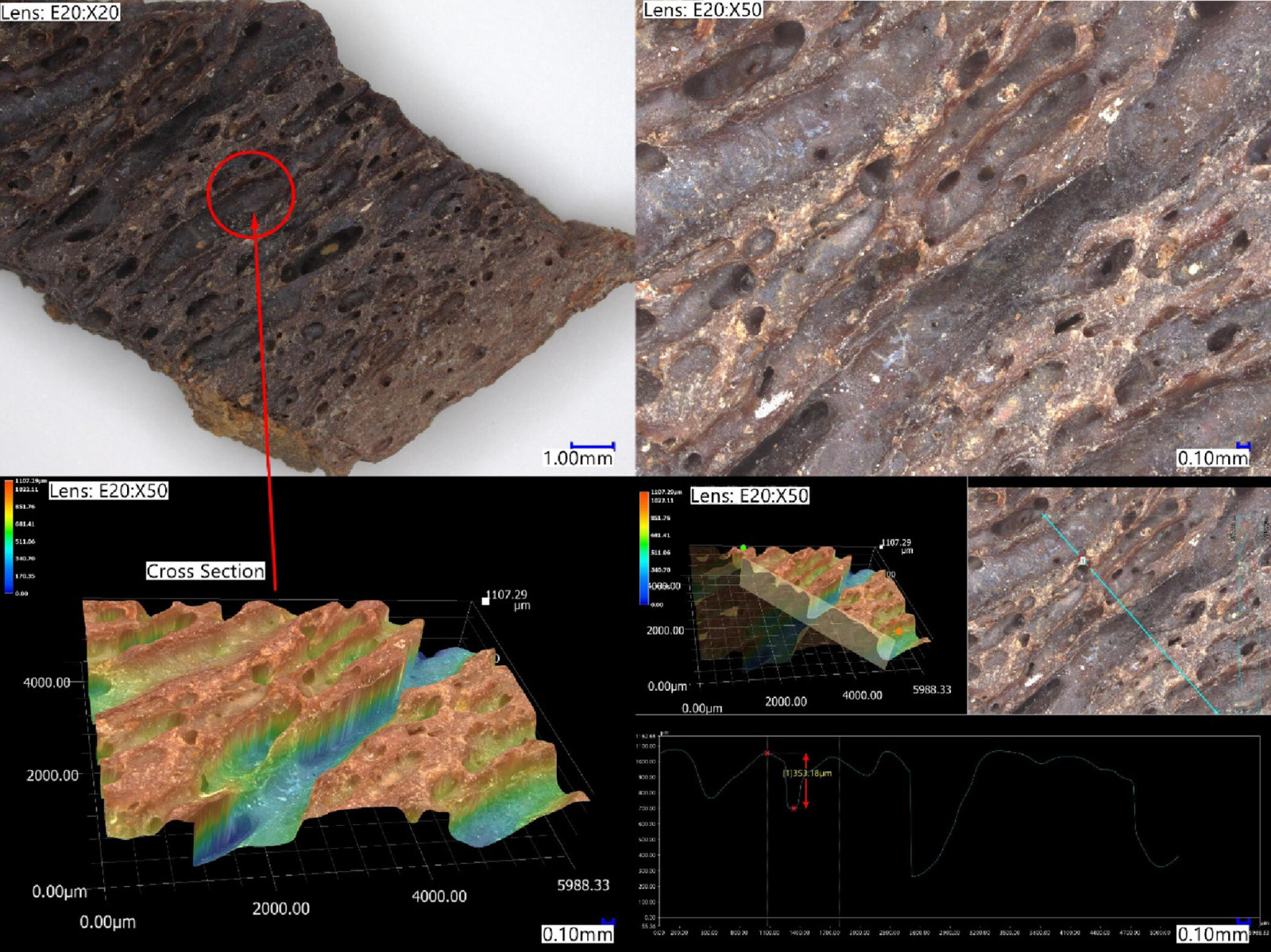
The multi-faceted approach bolsters confidence that collagen remnants can survive in ancient fossils, overturning previous assumptions.
Molecular Clues Reshaping Our Understanding of Dinosaurs
The identification of preserved proteins marks a major breakthrough in paleontological research. Molecular fragments could illuminate aspects of dinosaur growth, development, and physiology, as well as elucidate evolutionary relationships that skeletal remains alone fail to reveal.
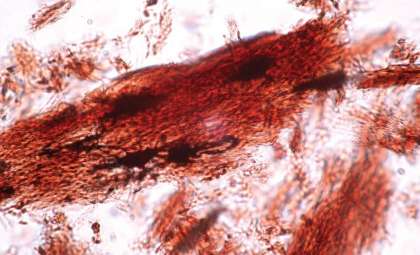
Interestingly, the researchers suggest that fossils collected many years ago may already house unnoticed collagen remnants, sometimes visible in existing microscopic imagery. Taylor elaborated:
“These images may reveal intact patches of bone collagen, potentially offering a ready-made trove of fossil candidates for further protein analysis,” adding that, “this could unlock new insights into dinosaurs, for example revealing connections between dinosaur species that remain unknown.”
The discovery prompts questions on how such molecules endure across tens of millions of years. Scientists hypothesize that specific interactions between bone minerals and burial environments may shield collagen from complete degradation.
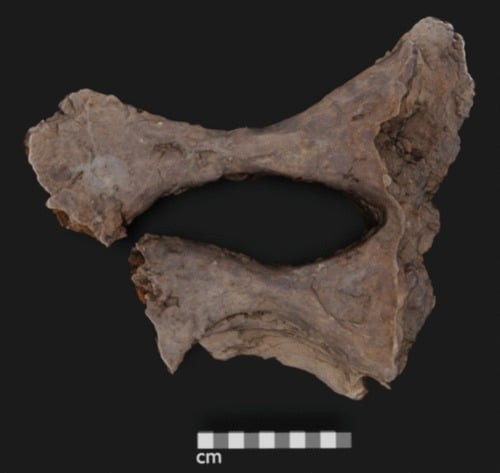
Edmontosaurus fossils, known for their fine skin impressions and preserved soft tissues, exemplify this exceptional conservation. Certain fossils might serve as molecular time capsules, maintaining remnants of prehistoric life far longer than previously believed.
- Categories:
- Science







0 comments
Sign in to Comment