
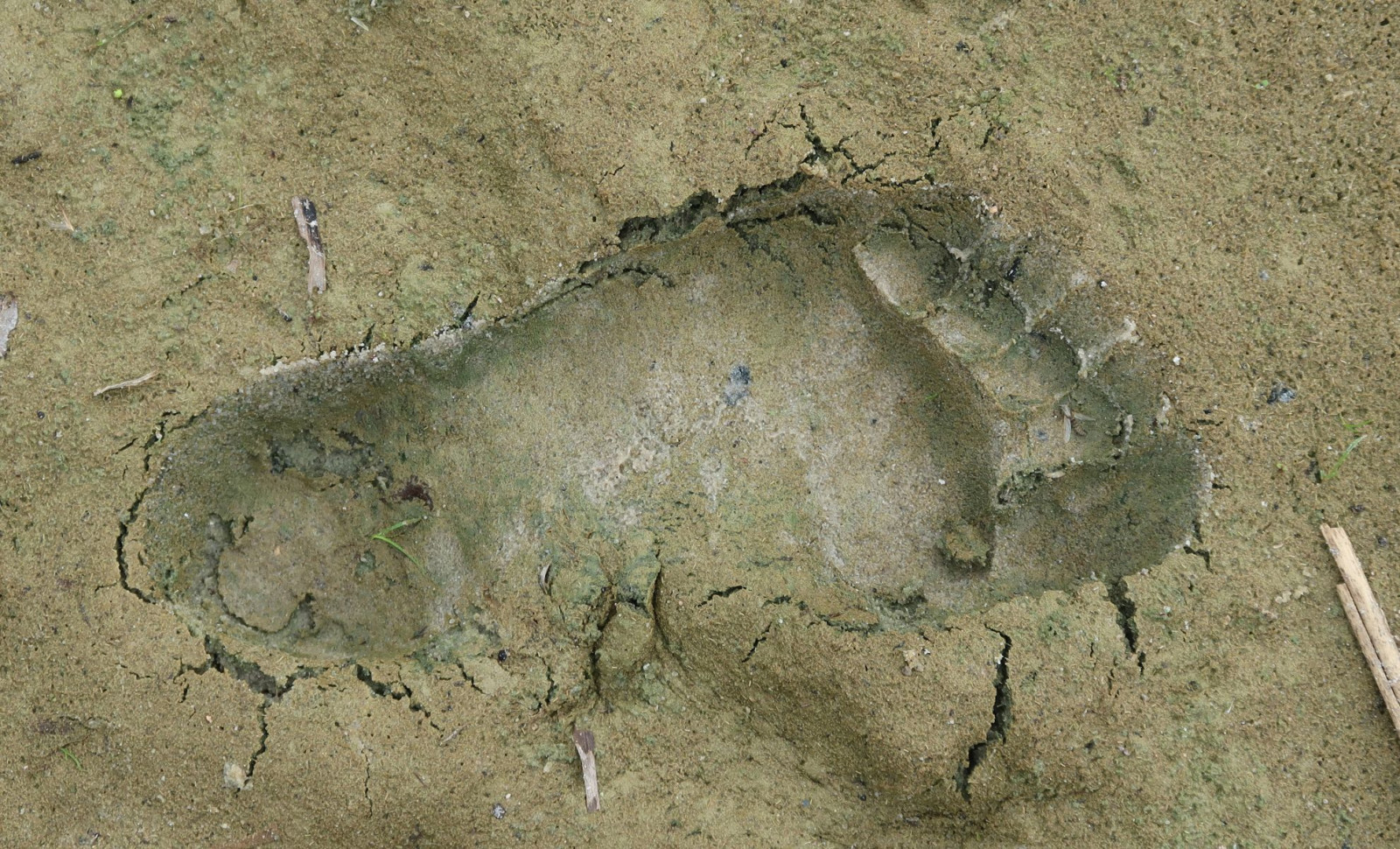
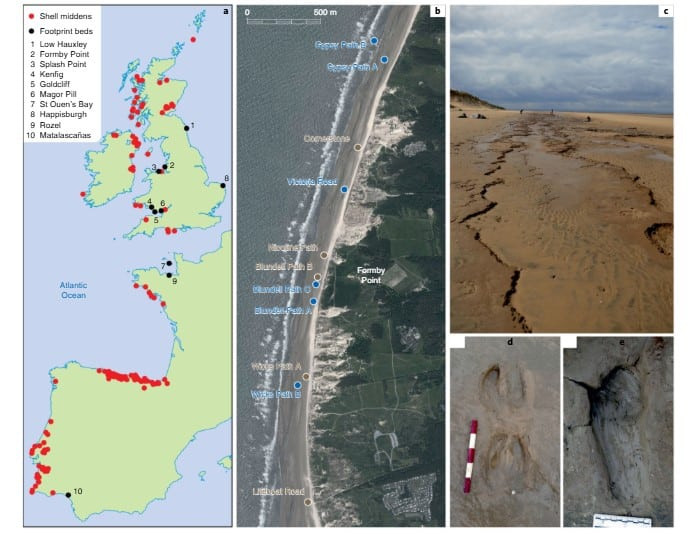
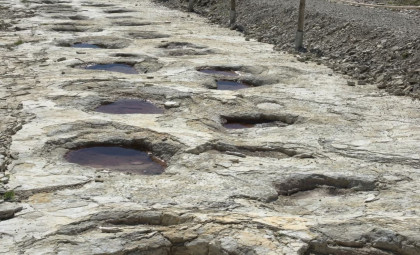
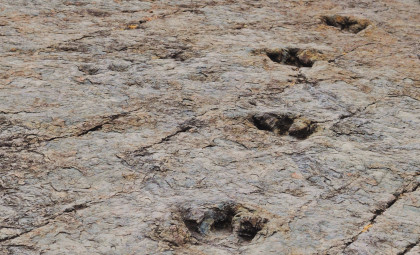
Near Formby on England’s coastline, natural erosion has uncovered an astonishing find: thousands of prehistoric footprints from both humans and animals. This nearly two-mile-long muddy pathway once bustled with activity, providing scientists with an exceptional glimpse into ancient life.
Spanning from the Mesolithic era through to medieval times, this route was frequented by humans and wildlife alike. Alison Burns, lead researcher of a paper published in Nature Ecology and Evolution, explains that following the last ice age’s retreating glaciers and rising seas, people and animals were pushed inward, concentrating their movements along this corridor. Imprints include a variety of creatures such as aurochs, red deer, wild boars, and cranes.
Multiple Footprint Layers Buried in Sediment
The site at Formby contains about 36 distinct footprint layers, sometimes stacked atop each other. These strata date from roughly 15,000 B.C. through to 1450 A.D., with radiocarbon dating of associated alder, birch, and spruce seeds helping to confirm their ages.

Some of the footprints are remarkably clear. Alison Burns pointed out a path where a barefoot individual took several steps before pausing.
“They were barefoot, and the footprints were fantastic; the mud has oozed up between each toe, so you get all the features of the footprint. Immediately adjacent to them were prints from a crane. The person could very well have been looking for birds to hunt during a scouting expedition. And beside the crane, there is a clear set of adult red deer tracks nearby.”
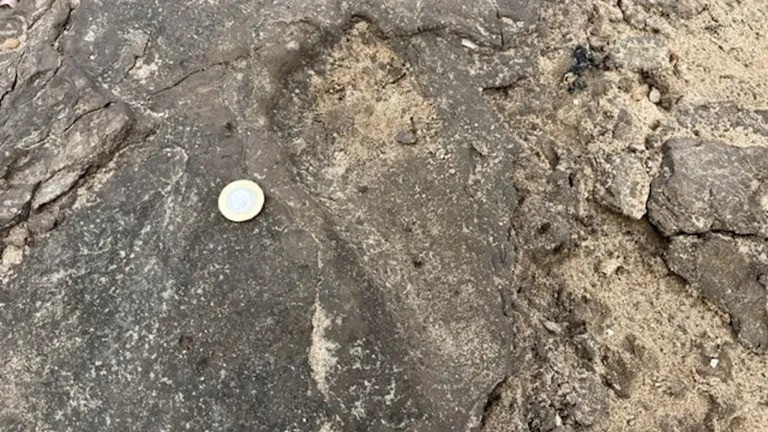
This small patch, just two square meters in size, encapsulates a vivid moment frozen in time from thousands of years ago.
An Ecosystem Shared by People and Wildlife
According to the research, this location also preserves a diverse array of animal footprints. Burns identified tracks from aurochs, red deer, wild boars, wolves, lynx, and cranes. The overlapping impressions reveal that humans and animals traversed these pathways together over many centuries.
Unlike many previous footprint discoveries which focus largely on humans, Formby illustrates a dynamic shared use of the terrain. The presence of multiple species and stacked track layers demonstrate how changing environments, particularly rising sea levels and melting glaciers, shaped movement patterns.
Enduring Footprints Through History
The footprints were initially spotted in the 1970s, but were originally mistaken for cow prints. In the 1990s, a retired teacher conducted dating analyses revealing their true age. Burns notes that continuous coastal erosion gradually uncovers fresh layers; while upper layers are delicate, those underneath remain exceptionally well preserved, offering researchers a rare window into millennia of activity.
“When the tracks were made, they were filled with sand and then a layer of mud. That’s how you get these stacks [of footprints]. Once you have four or five beds on top of each other, the top layer is vulnerable [to erosion], but the ones beneath it are quite well preserved.”
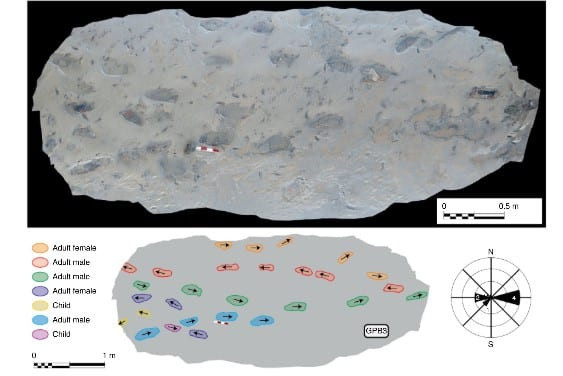
Though other ancient footprints, such as 900,000-year-old ones found in Norfolk, exist in England, Formby stands out for its detailed depiction of humans interacting with diverse animal species across the land.
- Categories:
- Science








0 comments
Sign in to Comment