
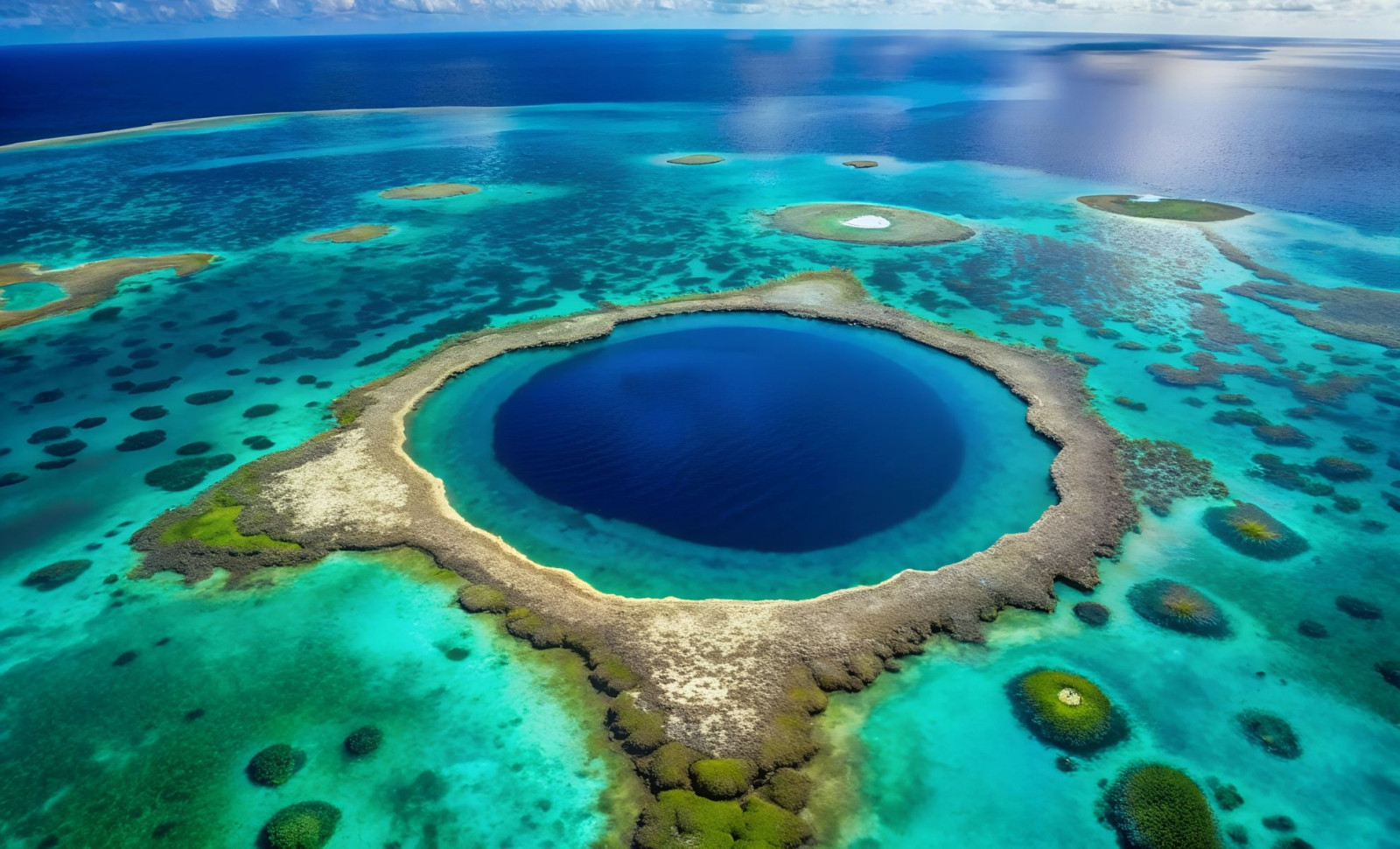
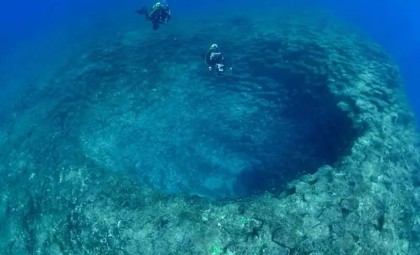
Far below the surface of the South China Sea lies a vast underwater chasm that plunges nearly 1,000 feet vertically. Known as the Dragon Hole, this enigmatic abyss is a dark, oxygen-deprived realm untouched by sunlight. Despite these harsh conditions, unique life forms thrive within. First mapped by Chinese scientists in 2016, the Sansha Yongle Blue Hole quickly gained fame as one of the planet’s deepest vertical caves beneath the ocean, but its greatest secrets remain submerged.
Immense Depths and Geological Formation
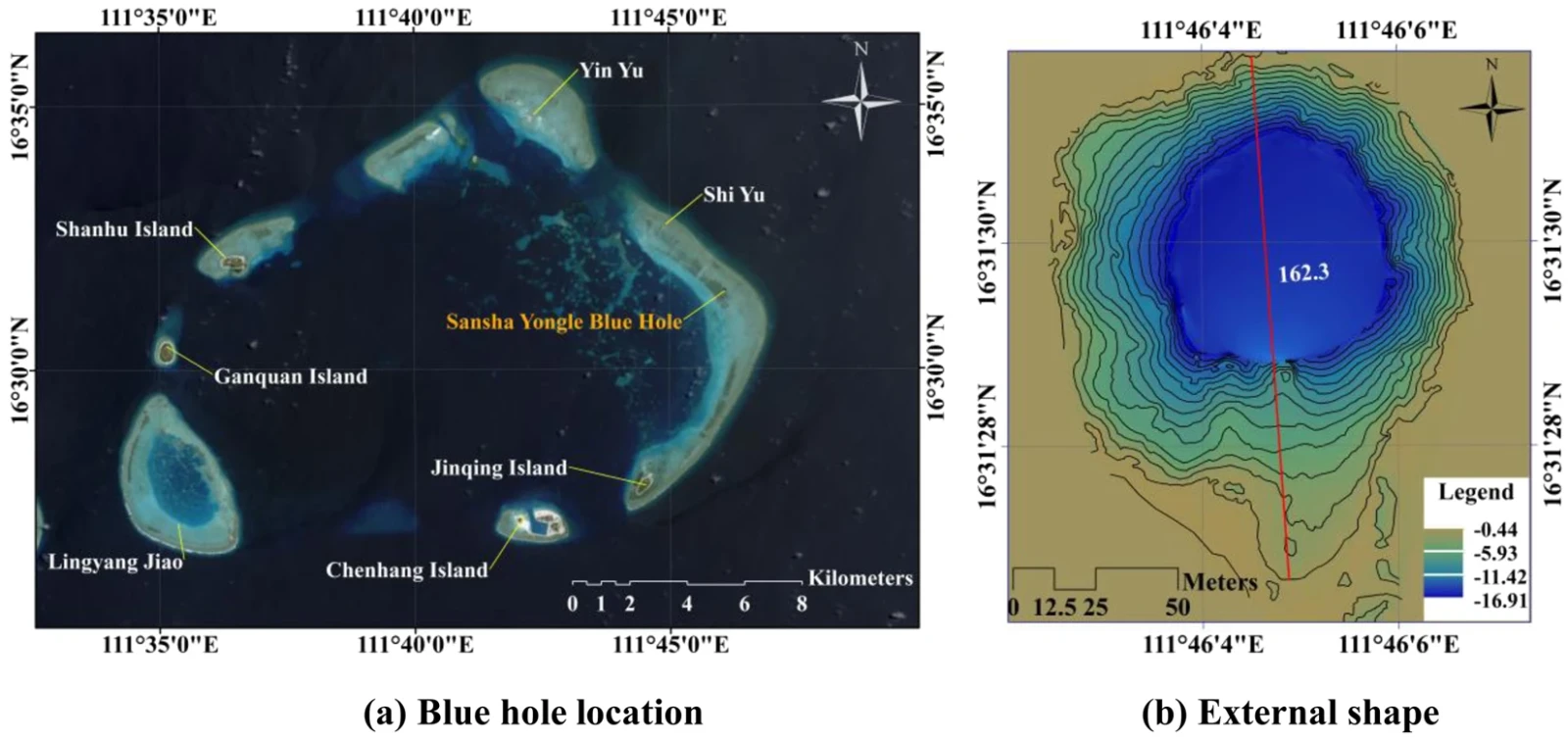
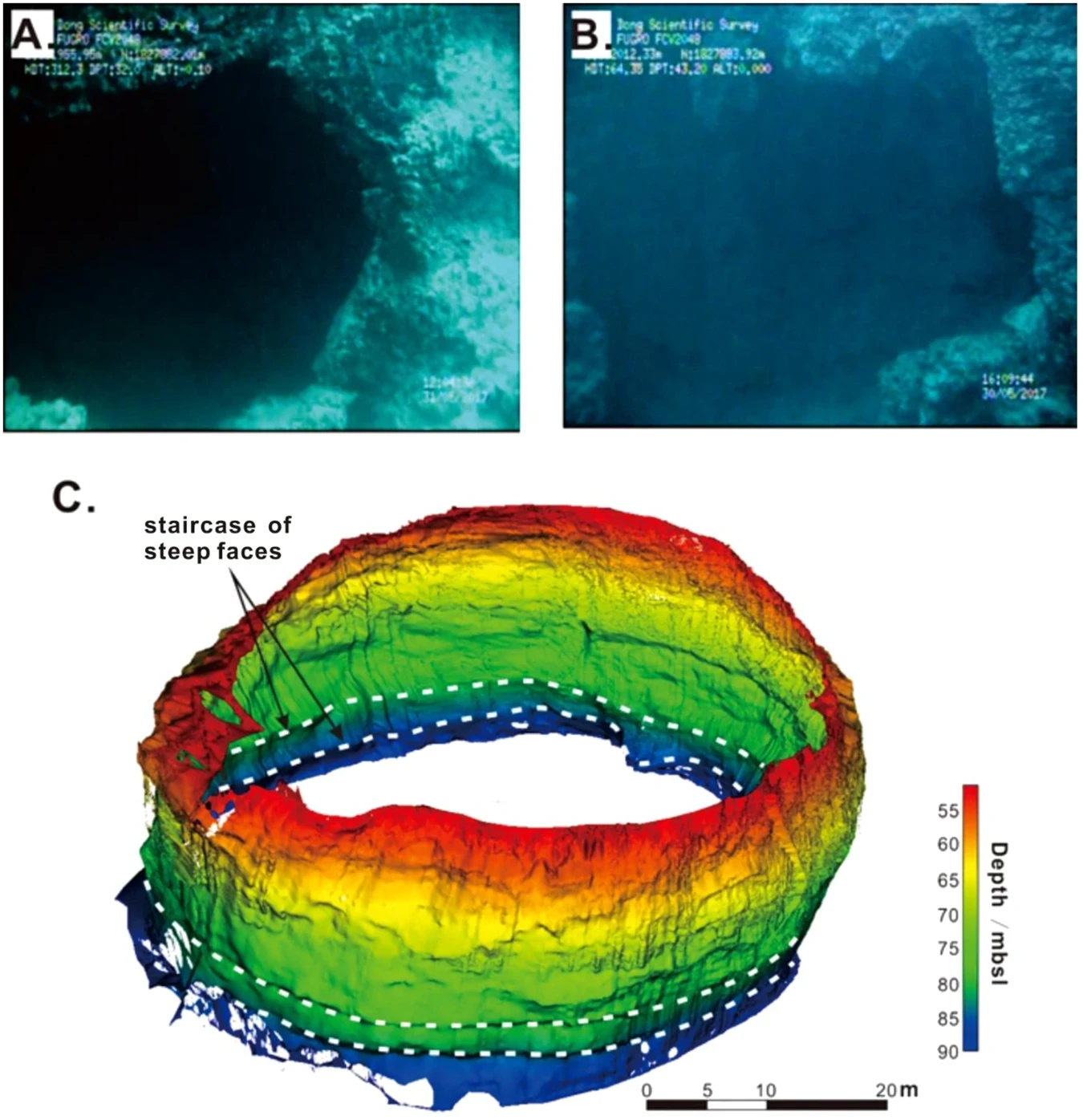
Measuring 301 meters (998 feet) deep and 162.3 meters (535 feet) wide, the Dragon Hole ranks among the largest marine sinkholes documented. According to a research article in Nature, this formation originated when much lower sea levels allowed rainwater to erode limestone beneath the surface, sculpting steep terraced walls. Subsequently, rising seas flooded the cavity, giving rise to its current structure.
What sets this blue hole apart is its extreme stability. Because the entrance is narrow and the vertical walls steep, typical ocean currents and mixing don’t penetrate. Surface waters fail to reach the depths, resulting in complete depletion of oxygen well before mid-depth. Scientists from the First Institute of Oceanography documented a rapid oxygen decline beneath the upper layers, creating distinct chemical zones hosting specialized organisms.

Ecosystem Thriving in Darkness and Anoxia
Beyond the 100-meter mark, the environment transforms drastically. Fishes, algae, and plants vanish. Yet, a dense population of bacteria flourishes in this pitch-black, oxygen-free niche, generating energy from chemical processes instead of photosynthesis, as detailed in Environmental Microbiome. In the upper deep layer, dubbed Anoxic Zone I, sulfur-oxidizing microbes dominate. Two genera, Thiomicrorhabdus and Sulfurimonas, constitute almost 90 percent of all microbial presence here.
Further down, at depths exceeding 140 meters, lies Anoxic Zone II, where nitrate is absent and hydrogen sulfide accumulates. Microbial communities shift toward sulfate-reduction metabolism. Bacteria such as Desulfatiglans, Desulfobacter, and Desulfovibrio thrive alongside green sulfur bacteria like Prosthecochloris, with rare members such as Chloroflexi and Parcubacteria also present. Each of these is exquisitely adapted to flourish without oxygen.
A Sealed Habitat Brimming With Viral Mysteries
Laboratory cultivation efforts yielded 294 distinct bacterial strains from blue hole samples, with over 22 percent representing previously unknown anaerobes.
Moreover, viral diversity is staggering. Scientists uncovered 1,730 virus species, predominantly from phage groups like Caudoviricetes and Megaviricetes. However, in the deeper anoxic zones, many viruses defy classification, lacking known relatives. These enigmatic viruses may crucially influence microbial ecosystems within such extreme environments.
- Categories:
- Science


0 comments
Sign in to Comment