
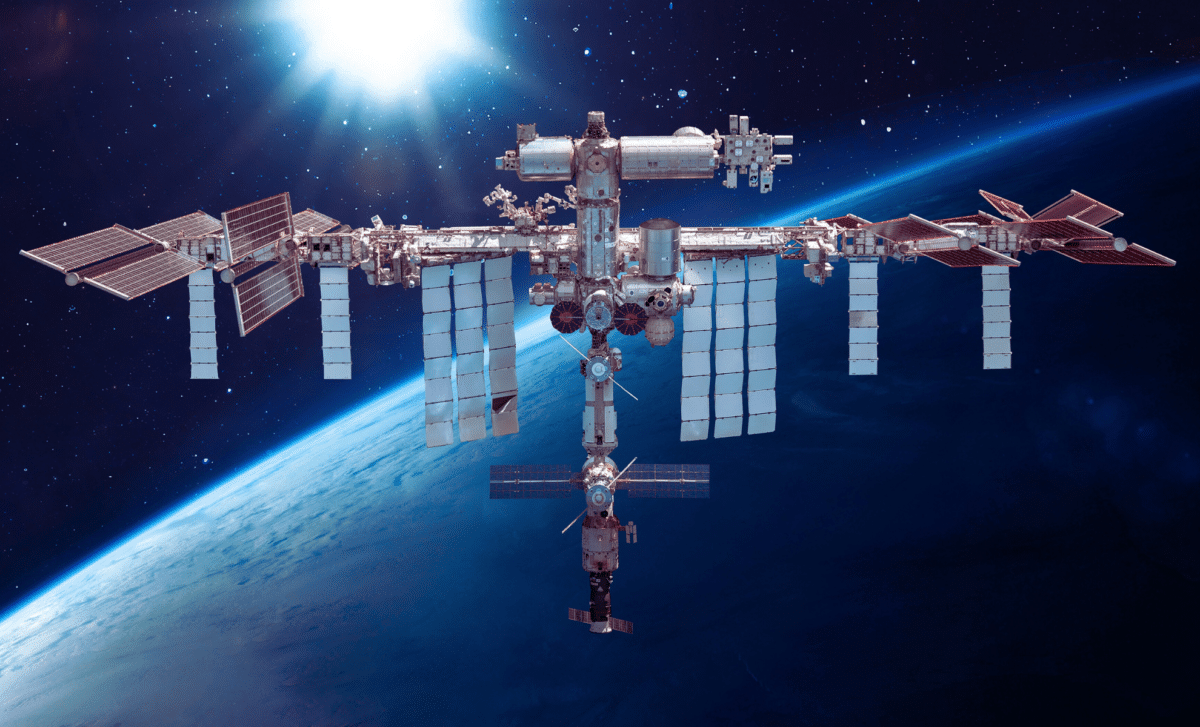
Scientists studying bacteriophages, viruses that infect bacteria, aboard the International Space Station (ISS) have uncovered surprising shifts in viral behavior under microgravity conditions. Published in PLOS Biology, this pioneering research reveals how viruses and bacteria evolve, infect, and survive differently in space, potentially unlocking breakthroughs against antibiotic-resistant bacteria threatening human health.
Phage-Bacteria Dynamics Transformed in Orbit
Microgravity alters fundamental biological interactions. On Earth, gravity promotes constant mixing, facilitating encounters between nutrients, viruses, and bacteria. Without this force, the environment aboard the ISS becomes a slower, more stagnant space where bacteriophages and their bacterial hosts face a distinct evolutionary battlefield.
In the recent PLOS Biology study, researchers sent samples containing the well-characterized T7 bacteriophage and Escherichia coli BL21 to orbit. Identical controls remained on Earth. While infections on Earth peaked rapidly as phage populations exploded and bacteria dwindled, infections occurred at a much slower rate in microgravity, becoming detectable only after nearly a month.

“Space fundamentally changes how phages and bacteria interact: infection is slowed, and both organisms evolve along a different trajectory than they do on Earth,” the authors said. “By studying those space-driven adaptations, we identified new biological insights that allowed us to engineer phages with far superior activity against drug-resistant pathogens back on Earth.”
These results indicate that microgravity doesn't halt biological processes but reshapes how life forms coexist and evolve. The virus-host confrontation unfolds more gradually, compelling both parties to develop novel survival strategies.
Evolution Under Weightlessness Opens New Scientific Avenues
What are the consequences of evolution in a near-weightless environment? The study found that bacteria and viruses acquire mutations differently in space compared to Earth. This suggests unique selective pressures guiding evolution along unexpected routes.
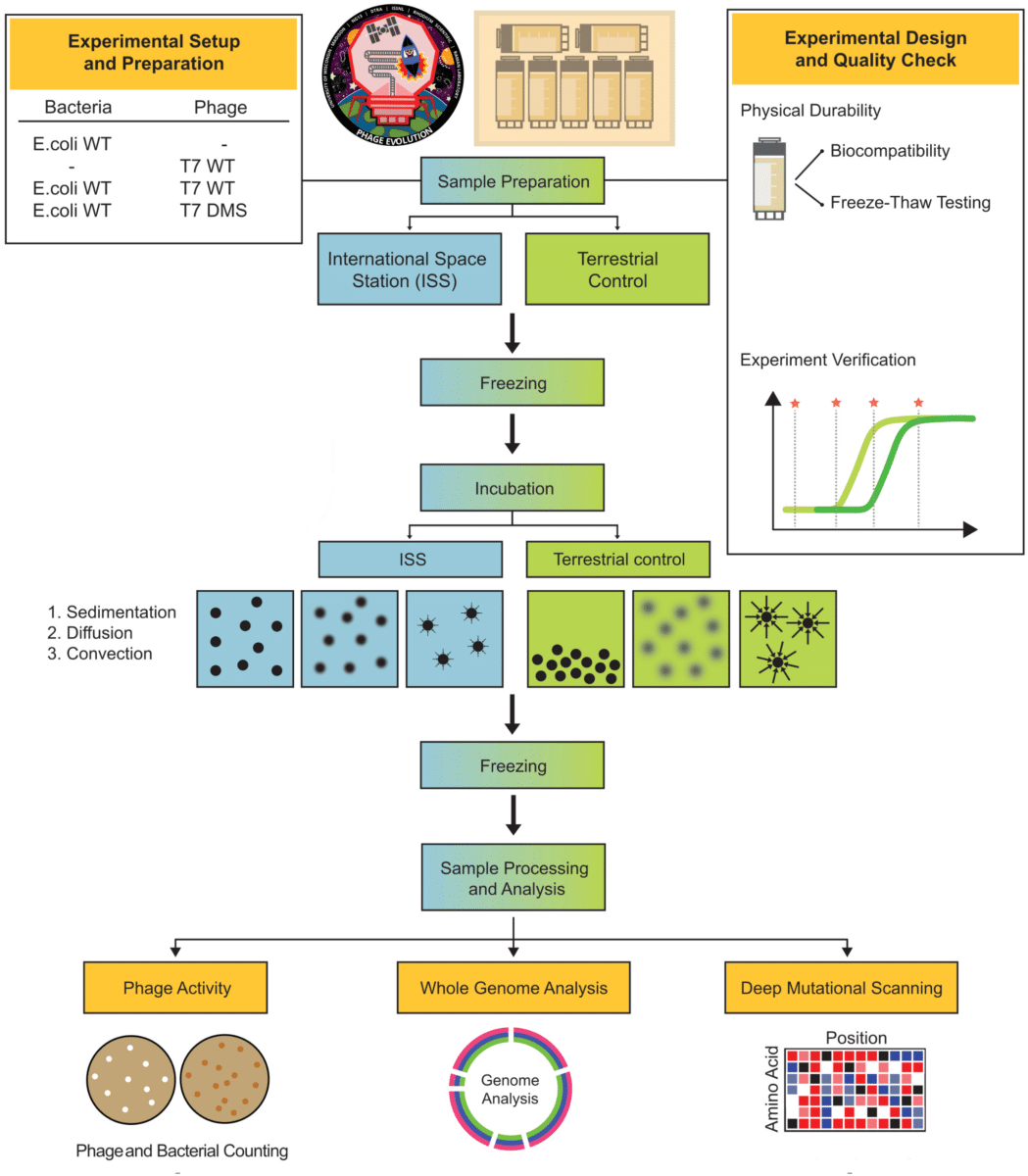
In space, bacteria may enhance biofilm density, modify cell surface molecules, or alter stress responses, all changes that hinder phage attachment. Concurrently, viruses adapt their infection mechanisms in response. This prolonged, reciprocal evolution fosters surprising outcomes with promising implications for biomedical research.
For astronauts, these findings are crucial for health management. The ISS is a closed ecosystem where microorganisms circulate in shared air and surfaces. Understanding how microbes evolve differently is vital for controlling infections during extended space missions to destinations like the Moon and Mars.
Translating Space Discoveries Into Earth-Based Therapies
Beyond spaceflight, this research has significant Earthly impact. The growing crisis of antibiotic resistance demands novel solutions. Scientists are increasingly turning to phage therapy, using viruses to eliminate harmful bacteria, as a promising alternative.
The unique mutations induced by microgravity may accelerate the development of more powerful phages. By mimicking or leveraging these space-inspired adaptations, medical researchers could craft advanced therapies targeting drug-resistant infections that standard treatments can't address effectively.
This synergy between space science and medical advancement underscores a powerful idea: exploring biology in space not only guards astronaut health but also fuels innovative approaches to solving some of Earth’s toughest health challenges.
Space Insights Expand Our Understanding of Life’s Boundaries
The slow evolutionary skirmish between viruses and bacteria in orbit prompts profound considerations about life's origins and potential diversity. If microbes evolve distinctly without gravity, what might life look like on worlds with different physical forces? Alien life forms could thrive under divergent biological rules shaped by their unique environments.
The ISS serves as an extraordinary platform to study biology free from Earth’s gravitational constraints. These experiments deepen our comprehension of life’s flexibility and resilience across the cosmos.
As the study’s authors emphasize, deciphering how microgravity influences microbial evolution can yield both new therapies and a richer perspective on life’s persistence—whether on Earth, Mars, or beyond.
- Categories:
- Science





0 comments
Sign in to Comment