
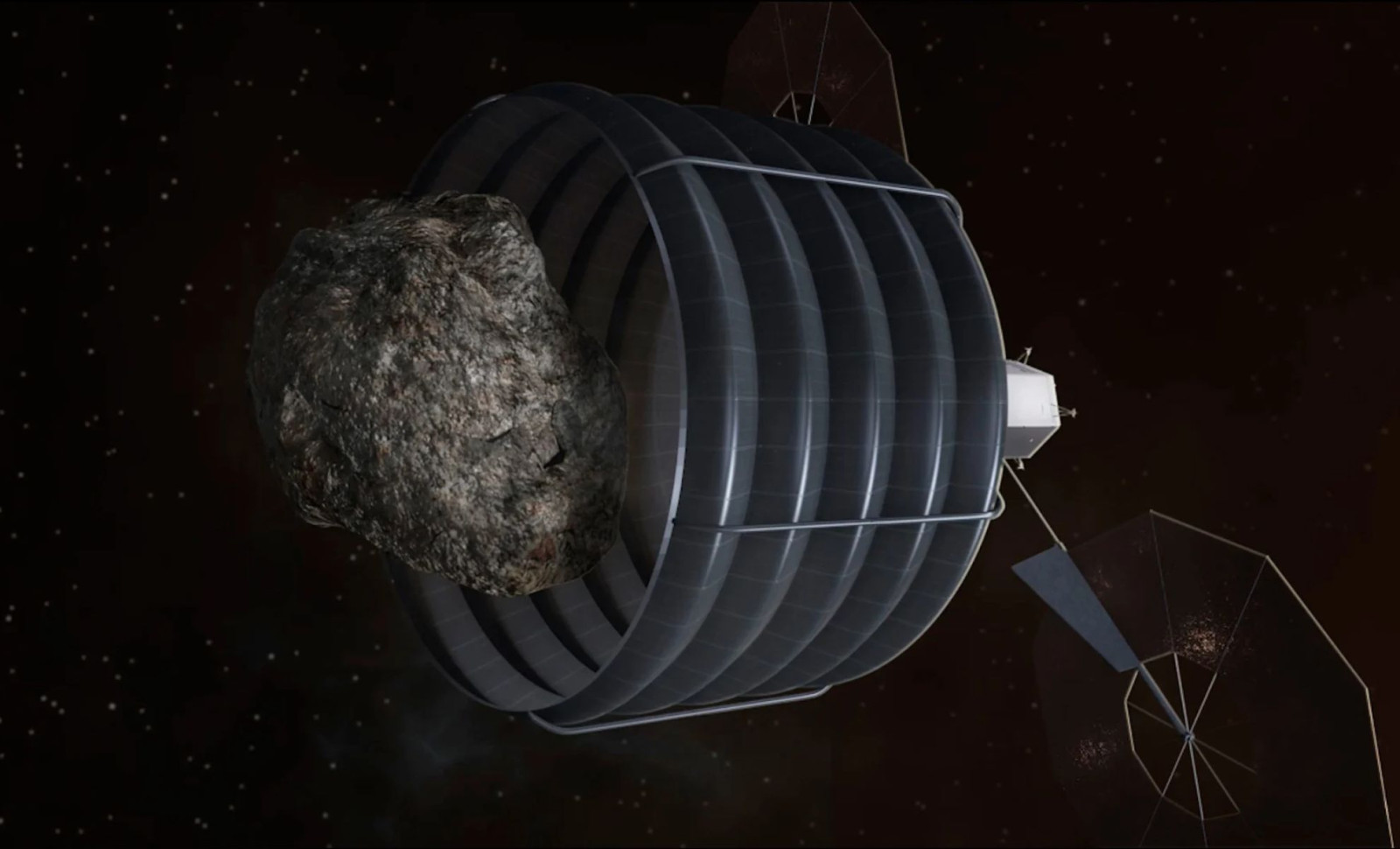
Scientists at EPFL in Switzerland have investigated the potential of harvesting metals and fuel from asteroids to sustain future Mars settlements. Their research explores how spacecraft might mine these celestial bodies and deliver essential materials to Mars, reducing dependence on Earth-based supply shipments.
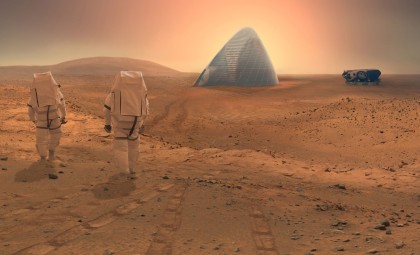
While it may seem like a concept from a sci-fi novel, the practical challenges are significant. Establishing a permanent presence on Mars demands large quantities of metal for building habitats, tools, machinery, and spare parts. Continuously shipping these from Earth would be costly and slow, with transit times between planets reaching as long as nine months.
Released on arXiv, this study emphasizes the logistical feasibility of asteroid mining rather than speculative technologies. The researchers assessed whether resource transfer from asteroids to Mars could be efficiently achieved within realistic energy and fuel constraints.

Metal-Rich Asteroids Could Provide Key Materials for Mars
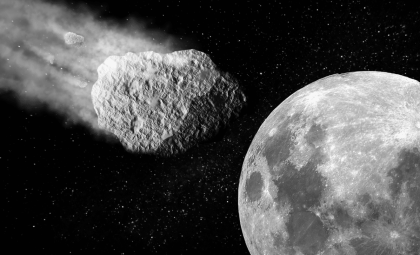
The focus was placed on M-type asteroids, known for being rich in metals such as iron and nickel. Scattered throughout the solar system, these asteroids might eventually act as vital resource reservoirs for space expeditions.
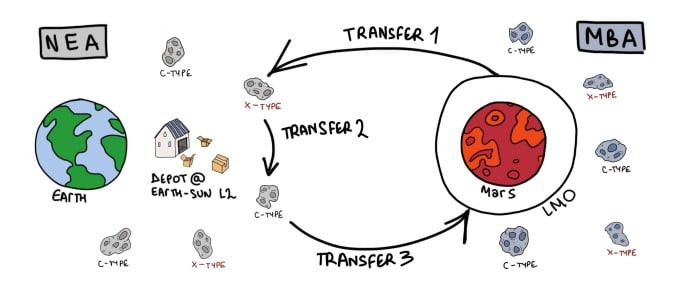
To evaluate their concept, the scientists developed a computer simulation exploring thousands of potential routes between asteroids and Mars. The models measured fuel consumption, travel energy, and the volume of extractable material that could feasibly be transported.
The findings strongly depended on the chosen asteroid. Some required excessive energy for access, disqualifying them despite rich deposits, while others appeared more reachable and effective for resource transport.
Choosing the optimal asteroid emerged as a crucial factor in establishing a sustainable supply network.
Fuel Production from Asteroids Could Enable Longer Space Journeys
The research paper also investigated carbonaceous asteroids that harbor water ice and organic-rich compounds. These elements could be processed to create rocket fuel directly in space.
This approach could transform mission planning. Instead of hauling all fuel from Earth, spacecraft could refuel near the asteroid before proceeding to Mars, significantly reducing launch weight and simplifying operations.
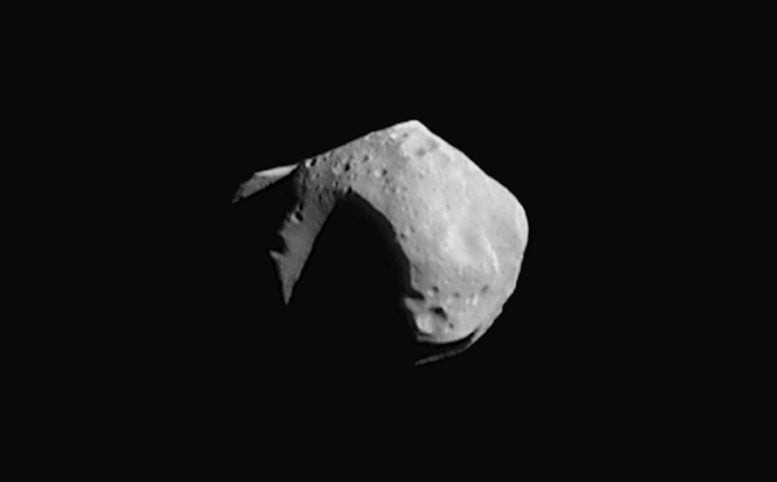
One highlighted example is 253 Mathilde, a carbon-heavy asteroid visited by NASA’s NEAR Shoemaker mission. Integrating fuel production into the asteroid supply chain enhanced the practicality of several transport scenarios examined by the team.
Logistical Challenges Are Significant but Surmountable
The researchers acknowledge that asteroid mining is not imminent, with substantial hurdles ahead, particularly in designing mining equipment and operating machinery over extended periods in space.
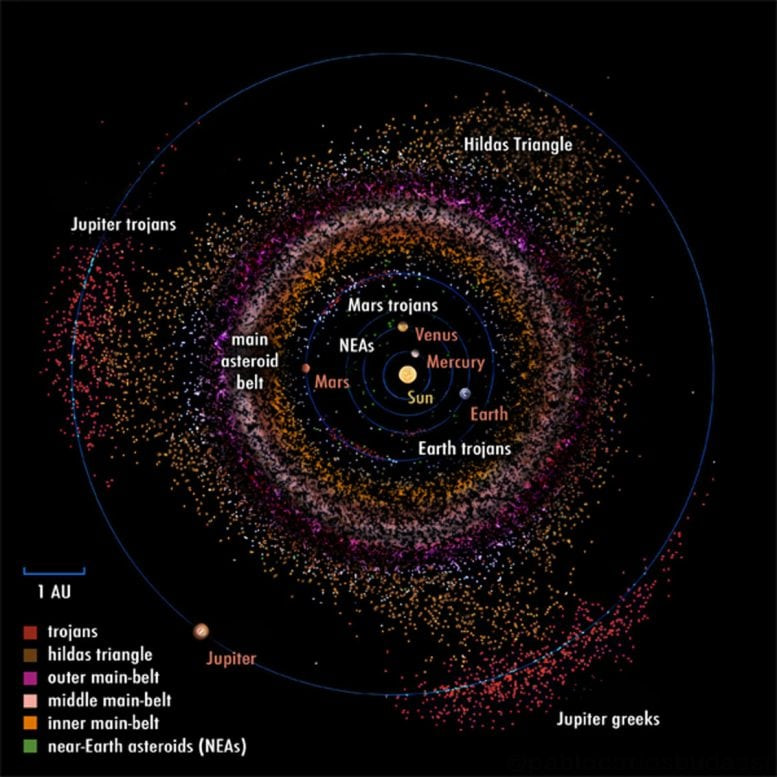
Nonetheless, the study suggests that the logistics could be viable given favorable conditions. Their simulations identified several asteroid candidates compatible with existing or near-future space technologies.
- Categories:
- Space






0 comments
Sign in to Comment