
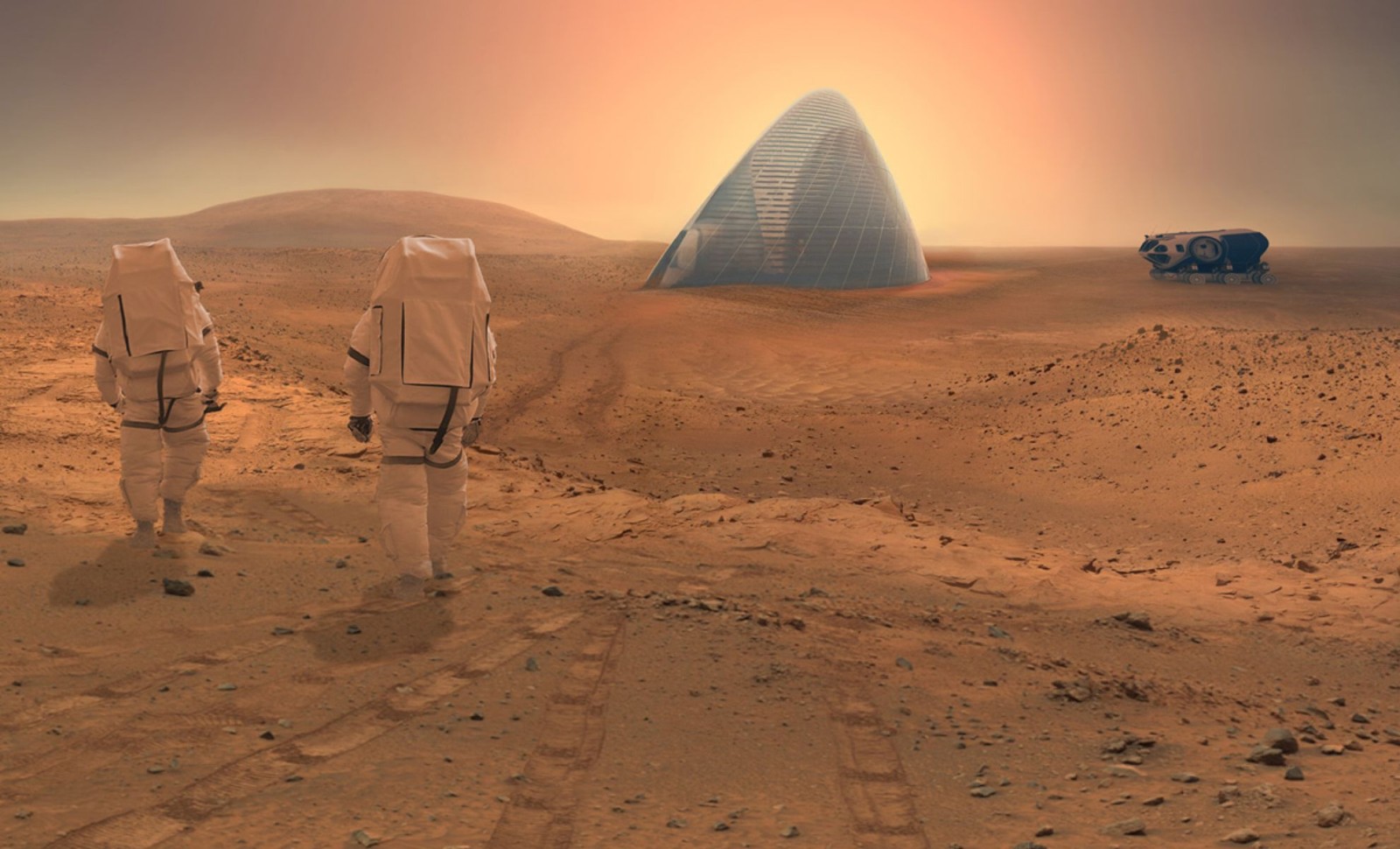
Concepts to establish human settlements on Mars by utilizing ice might seem speculative, yet fresh findings presented at the American Geophysical Union’s yearly conference have propelled this vision forward. Experts propose that Mars’ plentiful frozen water supplies could be carved into resilient habitats.
The research highlights the possibility of crafting insulated shelters for astronauts from ice, structures designed to endure Mars’ extreme conditions. Since Mars harbors more than 5 million cubic kilometers of frozen water beneath its surface and on its terrain, investigators are exploring how to tap this resource for inhabitable, sustainable constructions.
Ice as a Building Block for Martian Living Quarters
The frozen terrains of Mars may provide the foundation for constructing secure shelters. A study unveiled at the American Geophysical Union gathering indicates that extracting and molding Mars’ ice could yield protective and insulating frames for human habitats. This innovation is essential to cope with Mars where temperatures can drop below -120 °C. Simulations show that incorporating a few meters of ice can elevate internal habitat temperatures to approximately -20 °C, creating a survivable climate for occupants.

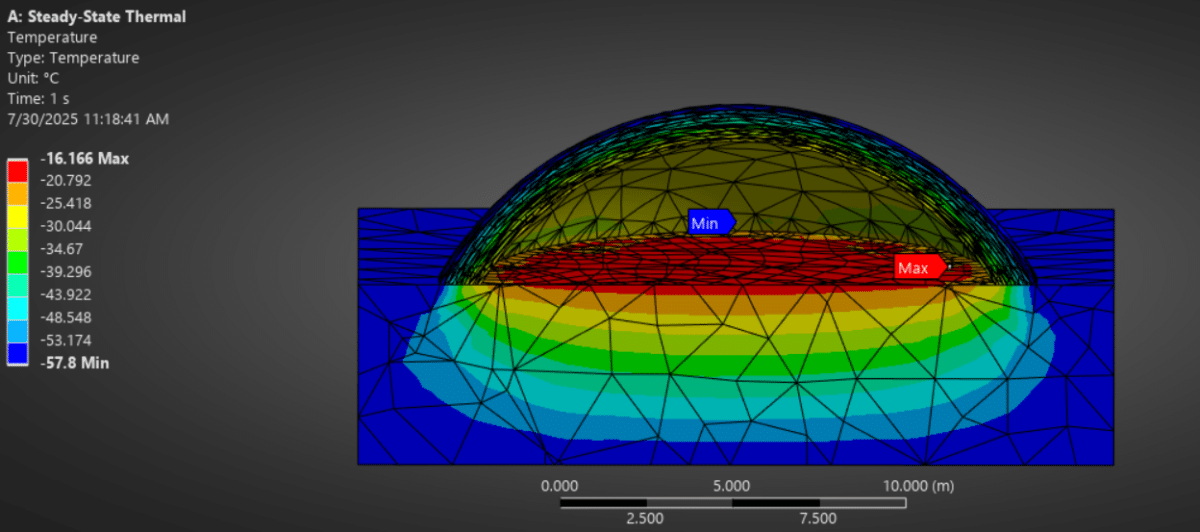
Rafid Quayum, who once studied at Harvard and led this research, emphasized that this ice-utilization technique could dramatically cut down dependency on supply deliveries from Earth. Instead of hauling construction materials across space, astronauts could rely on Mars’ indigenous ice resources to build their living and work environments.
The Protective Qualities of Ice Against Martian Radiation
A major advantage of ice structures is their capacity to shield residents from intense radiation present on Mars. Due to an insufficient atmospheric shield, Mars is exposed to high levels of ultraviolet rays and cosmic particles.
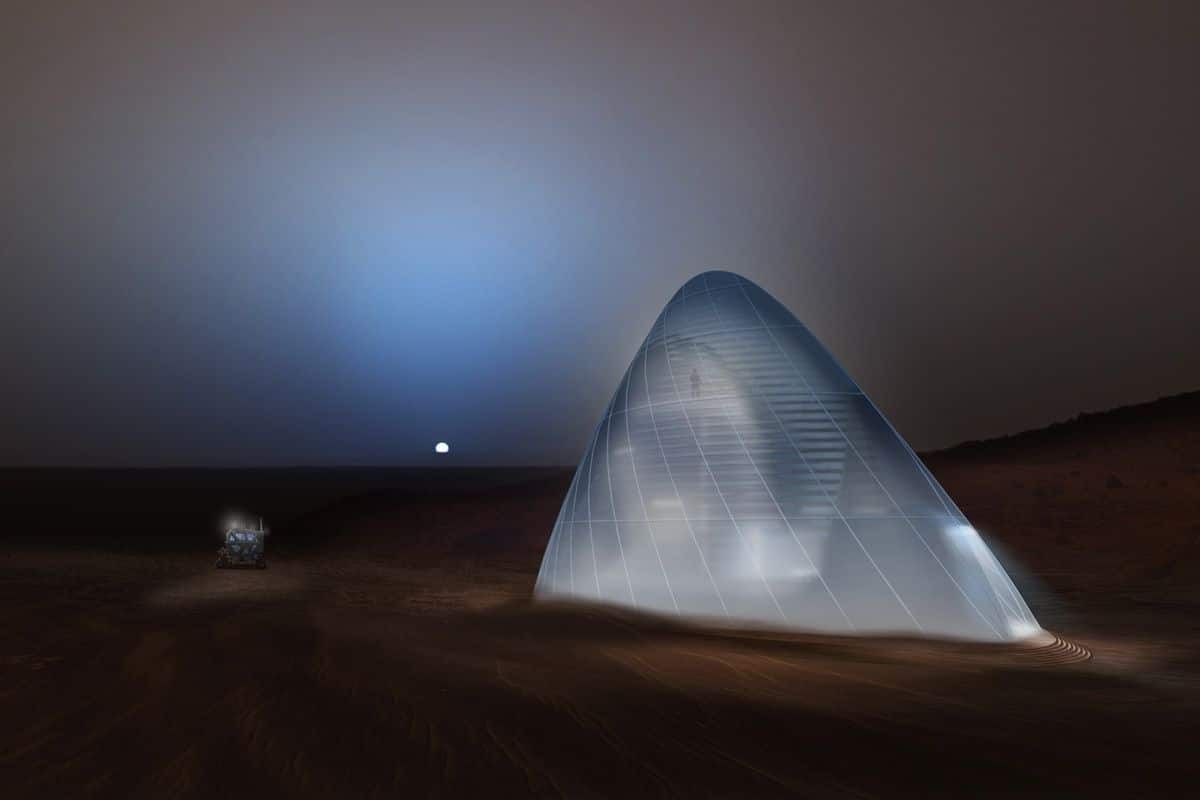
Researchers highlight that ice effectively blocks a majority of ultraviolet radiation while permitting visible and infrared light to penetrate. This ability enables habitats to protect occupants from hazardous radiation without compromising access to vital light and warmth necessary for well-being and agriculture.
This dual function supports long-duration habitation on Mars, ensuring sufficient light for mental health and crop cultivation. The unique blend of shielding and illumination positions ice as a promising material for Martian habitat architecture.
Challenges in Using Ice as a Construction Medium
One substantial challenge is the sheer volume of ice required to build even basic dwellings. As outlined in Science journal, gathering and processing roughly 15 square meters of ice each day would be necessary, demanding energy levels comparable to those used by the International Space Station.
Additionally, Mars’ persistent dust storms pose a problem for ice structures. Accumulated dust on the ice surface can obstruct light and diminish insulation efficiency, lowering its building utility.
To counter this, experts propose applying a water-repellent layer to preserve the ice from sublimation into the Martian atmosphere. Yet, since this coating would probably need to be transported from Earth, it introduces further logistical complexities.
“It’s important to be thinking about space exploration in the medium term, as well as just what we’re going to be doing in the next few years,” said Robin Wordsworth, a planetary scientist at Harvard University
- Categories:
- Space







0 comments
Sign in to Comment