
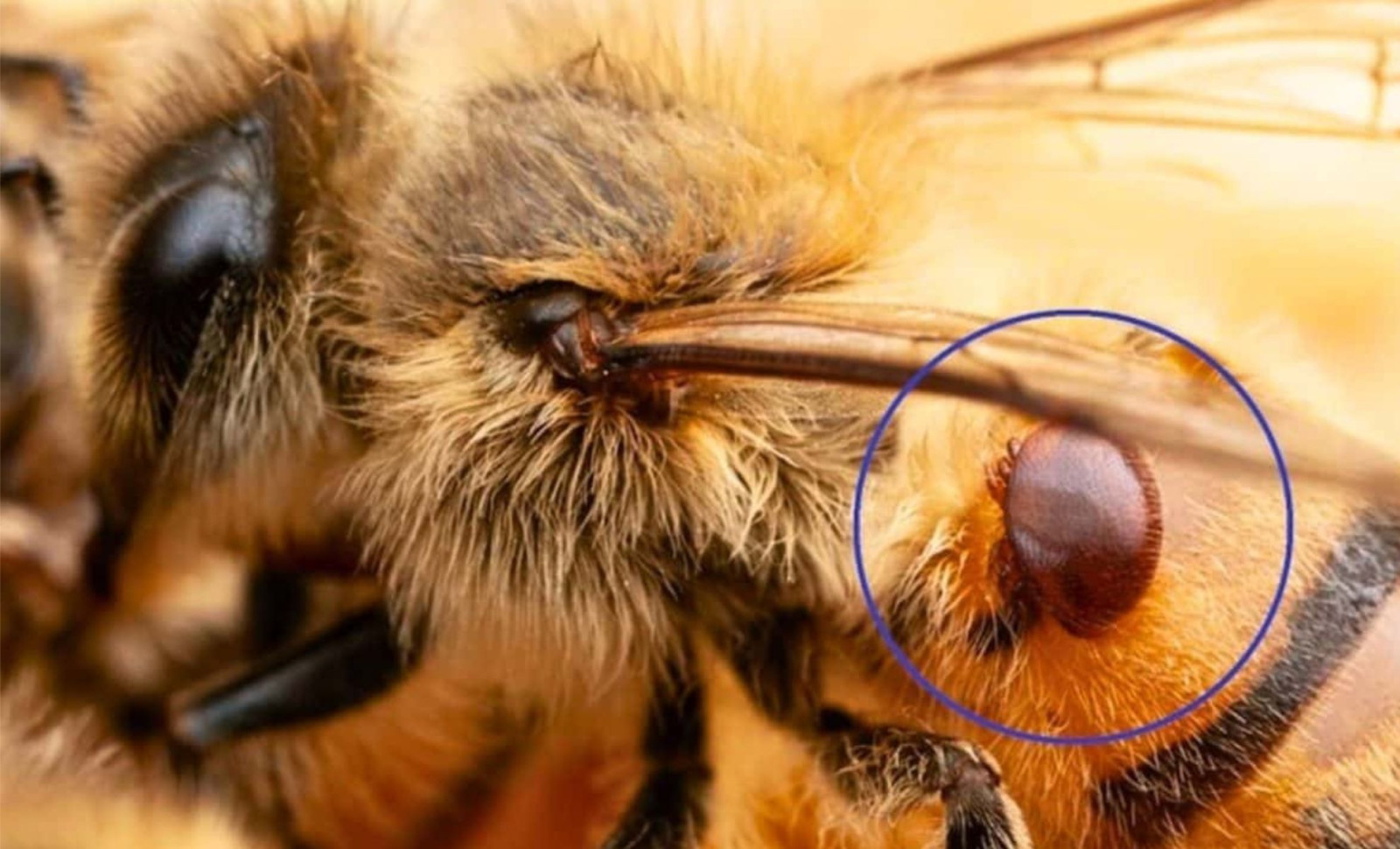
Honey bee populations throughout the United States experienced an unprecedented collapse from April 2024 to April 2025. Over half of all commercially managed hives perished, with winter losses reaching alarming levels. This sharp decline sparked significant apprehension among farmers and environmentalists due to bees’ vital role in pollinating key crops.
Beekeepers began noticing drastic hive reductions by late 2024, particularly during winter when colonies usually face the greatest survival challenges. The impact was universal, affecting small-scale hobbyists and extensive commercial beekeepers alike, many of whom provide essential pollination services to major agricultural regions.
Comprehensive laboratory investigations released in mid-2025 clarified that the cause was less related to weather or habitat issues, and more the result of biological agents and chemical resistance. A fast-evolving parasite prevalent in U.S. apiaries had overcome the effectiveness of the most commonly used miticide treatments.

Initial suspicions targeted drought, reduced forage resources, and pesticide exposure. Yet, the uniform patterns of colony losses nationwide pointed scientists toward a more urgent biological threat.
Genetic Mutations in Mites Transform a Persistent Threat into a Nationwide Emergency
Leading the research, the USDA Agricultural Research Service (ARS) pinpointed two main factors driving hive failures: viruses transmitted by Varroa destructor mites and amitraz resistance, the final miticide widely applied by U.S. beekeepers. Sampling of 113 collapsed hives revealed almost universal infection with Deformed Wing Virus A and B alongside Acute Bee Paralysis Virus, both spread by Varroa.
Correspondingly, genetic analysis detected mutations linked to amitraz resistance in every mite tested. These results were published in a detailed preprint on bioRxiv, representing the most exhaustive genomic and virological assessment of the crisis so far.
The USDA corroborated these findings via an official statement, attributing the recent losses to “virus-infected, miticide-resistant parasitic mites.” This aligned with multiple beekeeper reports describing persistent mite infestations and hive declines despite following standard treatment procedures.
Winter Losses Peak as Standard Control Measures Lose Effectiveness
The severity of colony declines was captured by the 2024–2025 U.S. Colony Loss and Management Survey, conducted by Auburn University alongside Project Apis m. This survey gathered information from 2,453 beekeepers managing 219,097 colonies, about 8.4% of the national managed bee population. Complete results can be accessed in this PDF report.
Throughout the year-long study, losses averaged 55.6% of managed colonies. Winter mortality alone hit a record high of 40.2%, surpassing any previously recorded figures since the survey’s inception in 2007. Loss rates varied widely by state, ranging from 34.3% to 90.5%, with the western U.S. and commercial beekeepers facing disproportionate impacts.
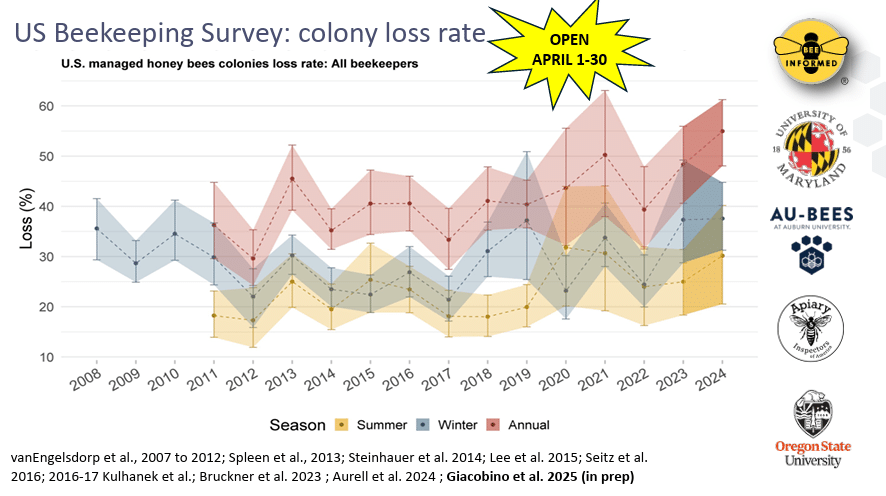
Commercial beekeepers overseeing more than 500 colonies recorded the highest winter deaths on record, losing approximately 40.7% of hives, surpassing their 17-year average by over 12 percentage points.
In contrast, backyard enthusiasts experienced slightly lower winter mortality rates of 36.5%, a reversal from prior trends where smaller operations were more vulnerable—marking the second consecutive year of this shift.
Resistance Surges as Approved Chemical Options Diminish
Originally, amitraz resistance was thought to be confined to specific areas, but 2025's research shows it has spread widely among U.S. Varroa populations. Previously effective after resistance to pyrethroids and organophosphates emerged, amitraz’s lower toxicity to bees made it a principal mitigator of mite infestations.
With amitraz’s diminished reliability, viable alternatives are scarce. A Scientific Reports publication assessed 17 active agents and 10 commercial miticides, finding that etoxazole and fenazaquin achieved over 90% success against Varroa with minimal bee harm. Yet regulatory constraints prevent their authorized use within hives by the U.S. Environmental Protection Agency.
To fill this treatment gap, USDA and academic labs are investigating RNA-based antiviral therapies designed to disrupt viral replication inside bees rather than directly targeting mites. This strategy is still experimental, with no immediate ready-to-deploy options anticipated.
Pollination Services Under Strain as Recovery Efforts Struggle
Honey bee pollination underpins the yield of many American crops, including almonds, apples, melons, and berries. The ongoing die-offs threaten the stability of pollination services, especially for farms dependent on commercial hive rentals during bloom seasons.
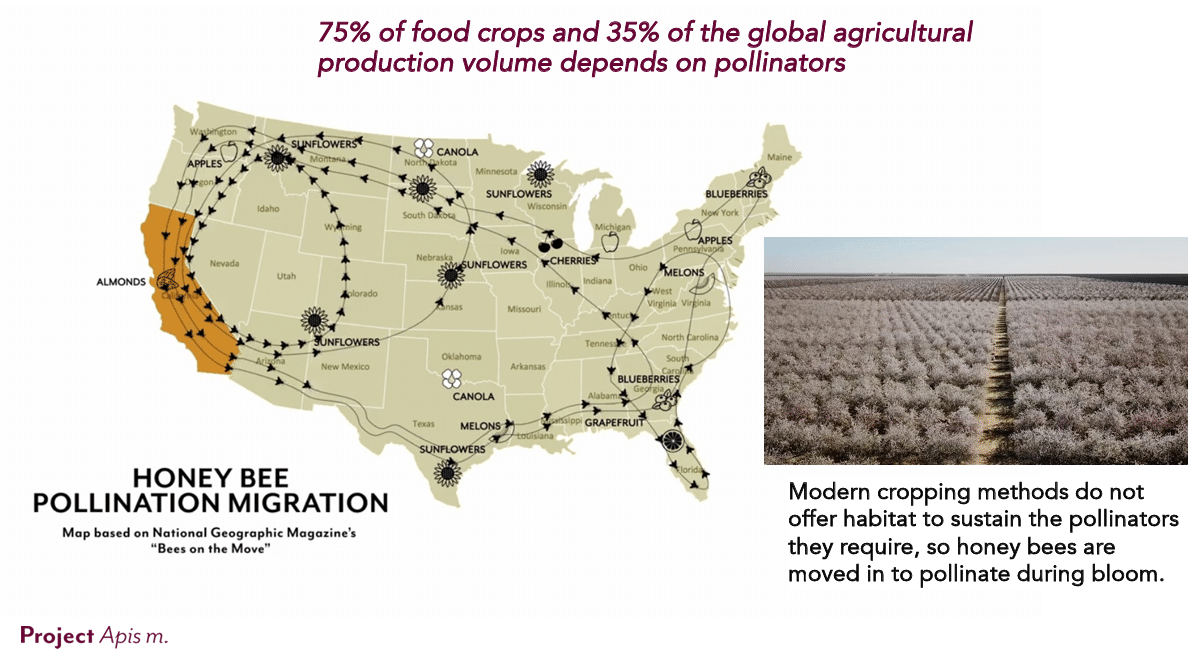
Despite sizable colony losses, the overall number of managed hives in the U.S. remained near 2.6 million by the close of 2025, reflecting strong beekeeper efforts to replenish stocks through splitting colonies and emergency acquisitions. However, experts warn these replacement efforts may not keep pace with ongoing losses in the coming seasons.
Policy-makers could face mounting calls in 2026 to speed up the approval of new miticides or grant emergency use authorizations. No new miticide classes have been approved in over ten years, with safety and environmental assessments requiring lengthy timelines.
Organizations conducting annual loss surveys, such as the Apiary Inspectors of America, have advocated for wider implementation of integrated pest management strategies, including rotating chemicals and isolating hives. However, these measures alone may not prevent resistant mite populations from spreading, particularly in large migratory beekeeping operations.
- Categories:
- News













0 comments
Sign in to Comment