
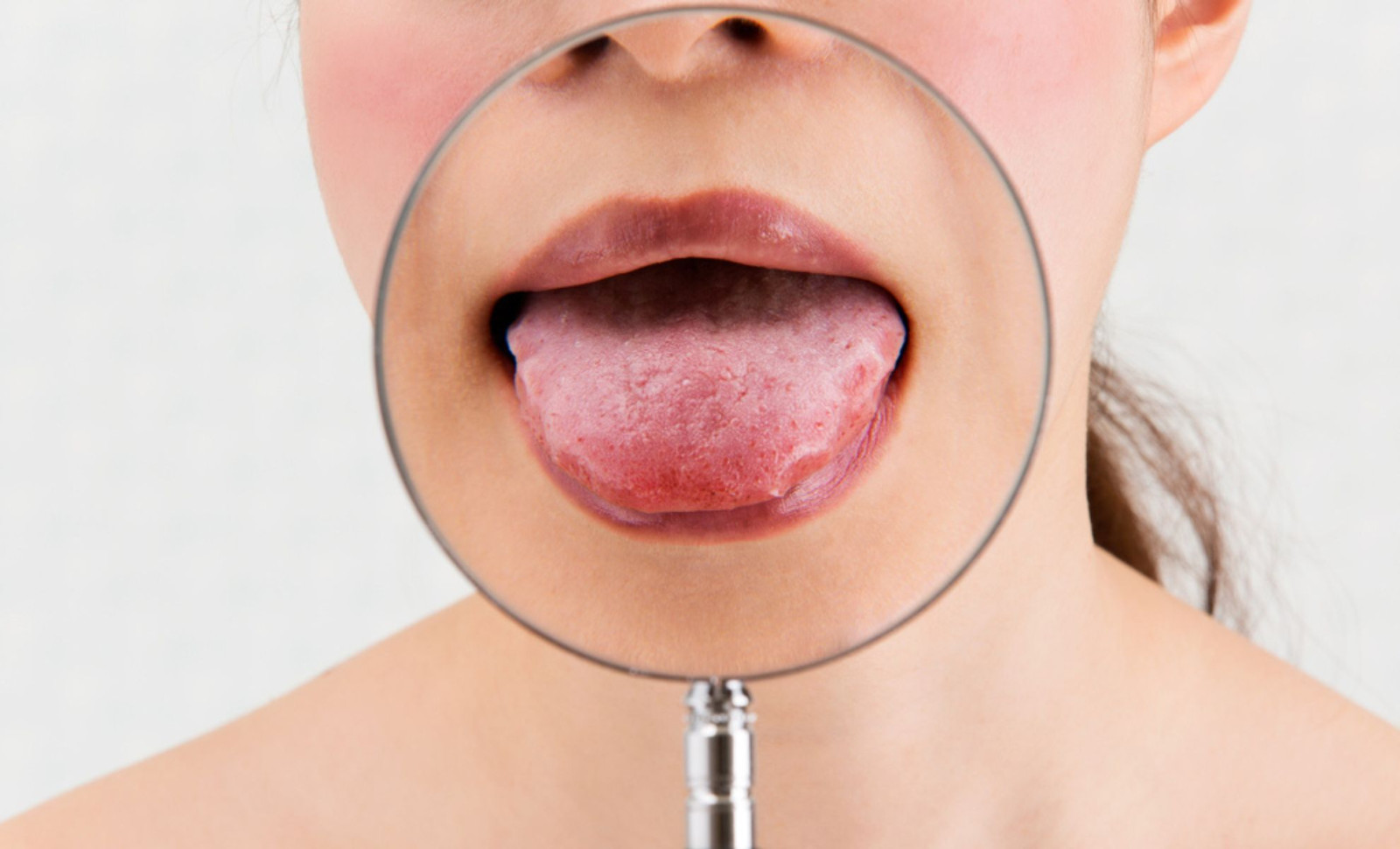
Alterations in taste perception often go unnoticed or are attributed to minor issues. Experiencing a metallic bite, lingering bitterness, or muted flavors might seem trivial, but these cues are drawing increased scrutiny from medical professionals as potential markers of underlying health changes.
Many individuals who report unusual taste or smell disturbances are eventually found to have viral infections, sinus inflammation, or dental conditions. These sensory anomalies often emerge before other clinical signs, offering an early warning that the body is undergoing physiological shifts.
While the COVID-19 pandemic brought widespread awareness to taste and smell loss, ongoing research reveals such sensory impairments are common in a variety of illnesses. Emerging studies connect these disruptions to immune system reactions, persistent inflammation, and mucous membrane alterations.

Taste Impairment Linked to Respiratory Infections and Postnasal Drip
Respiratory illnesses frequently cause changes in taste and smell. One prevalent factor is postnasal drip, where excess mucus from the sinus cavities drains into the throat. This mucus layer can modify flavor sensations by covering the tongue and transporting bacteria or viruses that generate unusual taste experiences.
Experts at the Cleveland Clinic explain that congestion in the nasal passages dampens olfactory function, reducing food enjoyment. Likewise, the Sleep and Sinus Centers of Georgia detail how mucus disrupts smell signals, leading to distorted taste perceptions. Additionally, mucous secretions may harbor inflammatory agents or pathogens that hinder taste receptors.
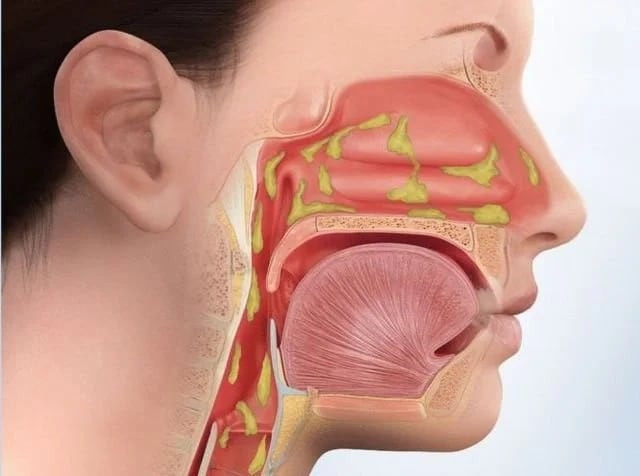
Taste is a combination of signals from the tongue and olfactory input. When nasal airflow is obstructed, foods can taste bland or unfamiliar even if appetite remains unchanged.
Conditions such as COVID-19 have renewed focus on these sensory changes. A New York Post report noted that SARS-CoV-2 impacts support cells adjacent to olfactory neurons, which may explain lingering issues like parageusia — a metallic or distorted taste persisting post-infection.
Inflammatory Processes Influence Bitter Taste Sensitivity
Recent findings have shed light on how inflammation directly affects taste. A peer-reviewed article published in Brain, Behavior, and Immunity investigated the influence of tumor necrosis factor (TNF), an immune cytokine released during sickness.
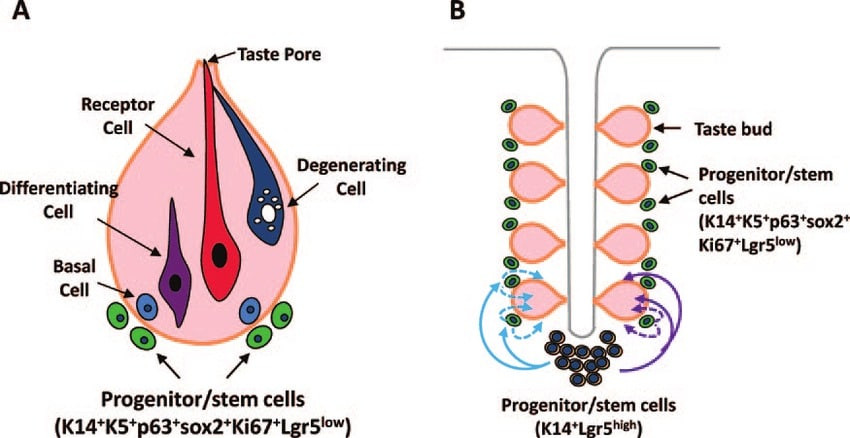
Researchers discovered that mice deficient in TNF exhibited reduced sensitivity to bitter flavors such as quinine, while their responses to sweet, salty, sour, and umami remained unaffected. TNF activity localized in certain taste bud cells indicates inflammatory signals play a role in modulating bitter taste perception amid immune responses.

The study suggests that inflammatory molecules like TNF selectively adjust how bitterness is perceived, explaining why some people experience a persistent bitter taste during illness. This mechanism points to inflammatory proteins’ role beyond local tissue damage or mucus congestion in taste disturbances.
Such insights are particularly important for understanding chronic inflammatory diseases, where elevated cytokines often coincide with altered taste sensations.
Additional Causes of Taste Alterations: Health and Lifestyle Factors
Beyond infections, several health conditions contribute to lasting taste changes. The Cleveland Clinic highlights a broad range including oral infections and nervous system disorders.
Gastroesophageal reflux disease (GERD) is a common source of bitter or sour tastes caused by stomach acid irritating the throat and mouth lining, especially when lying flat. This inflammation modifies taste perception.
Periodontitis involves gum inflammation and bacterial growth, often causing bleeding gums, bad breath, and a persistent metallic taste. Similarly, oral thrush, a fungal infection due to Candida, leads to white patches and a sour or dry mouth sensation. Both conditions frequently distort taste, especially in those with compromised immunity.
Various medications such as antihistamines, antibiotics, and antidepressants list altered taste as a common side effect. Hormonal fluctuations during pregnancy or menopause may also change taste receptor sensitivity, while dry mouth from dehydration or medical treatments further impairs flavor recognition.
Neurological disorders like Parkinson’s and Alzheimer’s disease frequently correlate with taste dysfunction, as these conditions disrupt sensory processing in the brain. Sometimes taste changes precede more severe neurological symptoms.
Diagnosis and Future Directions in Research
Persistent taste or smell disruptions lasting over two weeks warrant thorough medical evaluation, especially if accompanied by other symptoms. According to the Cleveland Clinic, sensory loss may signal systemic problems such as infections, hormonal imbalances, or neurological decline.
Treating the root cause—be it sinus inflammation, oral infections, or pharmaceutical side effects—often restores taste and smell function. After COVID-19, many regain normal sensory abilities within about two months, although some continue to experience disturbances.
Ongoing studies aim to clarify the long-term impact of inflammatory factors like TNF on sensory processing. Research is deepening our understanding of how immune activity within taste bud cells interacts with broader bodily systems.
- Categories:
- News













0 comments
Sign in to Comment