
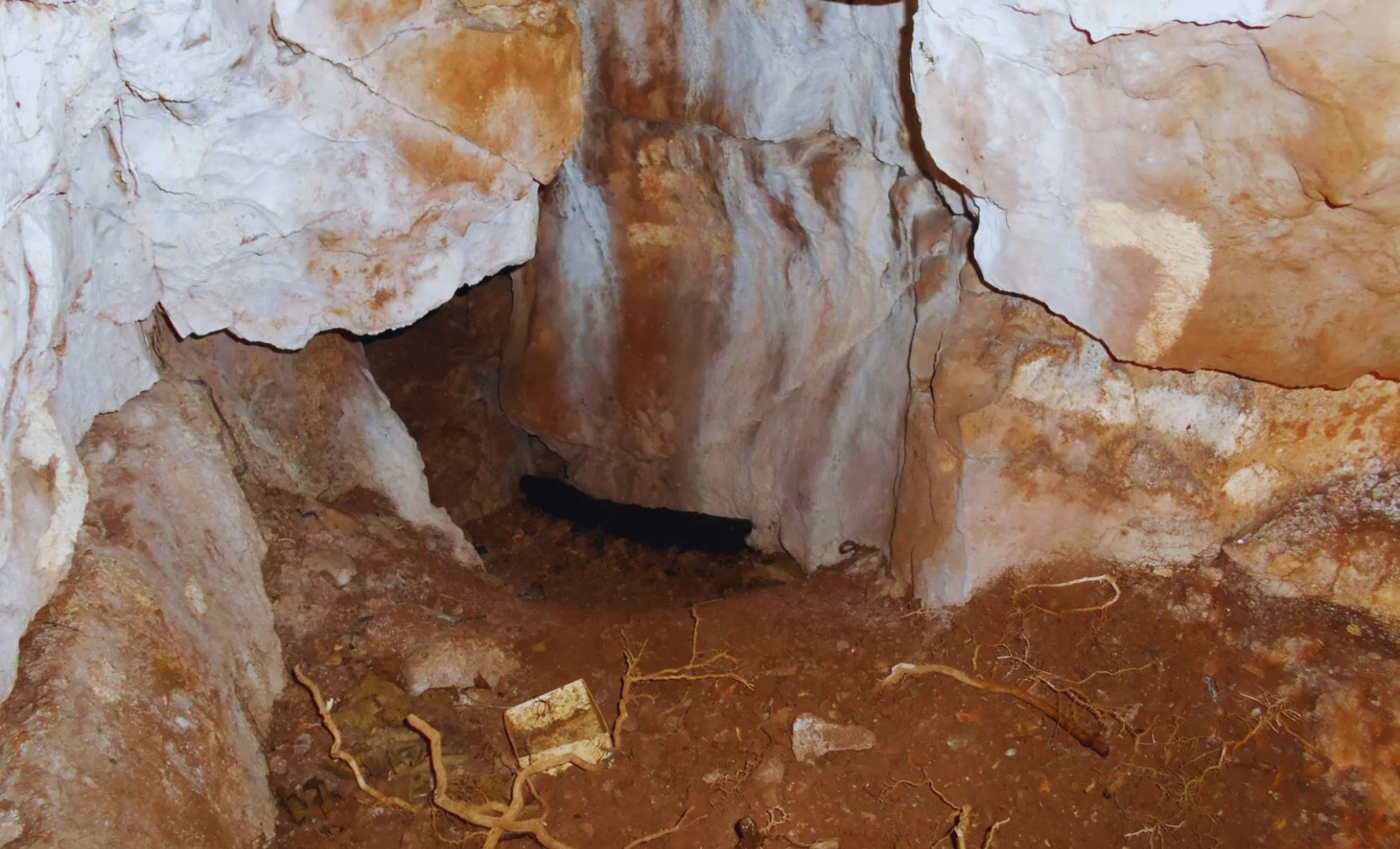
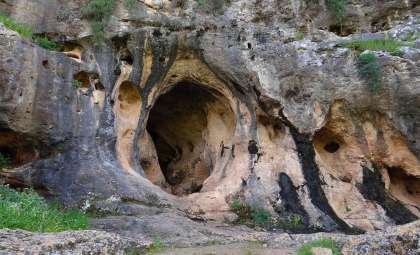
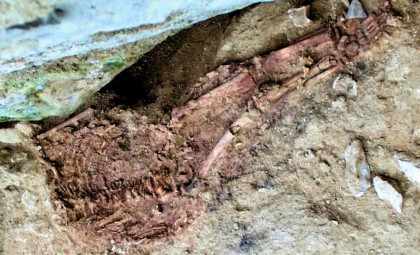
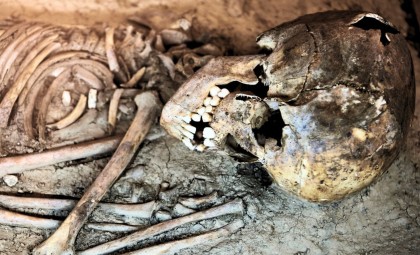
The most ancient human skeleton discovered in northern Britain pertains to a young girl who lived approximately 11,000 years ago. Her remains were uncovered in Heaning Wood Bone Cave located in Cumbria, with genetic analysis confirming she was a female aged between 2.5 and 3.5 years at her time of death.
This remarkable find was initially uncovered by local archaeologist Martin Stables and subsequently examined by experts from the University of Central Lancashire. Alongside the skeletal remains, the team uncovered artifacts suggesting the burial was deliberate and meaningful.
The cave appears to have held deep spiritual significance for early hunter-gatherer communities, illustrating that even in the Mesolithic era, careful funerary customs were practiced.

A Pivotal Moment in the Study of European Prehistory
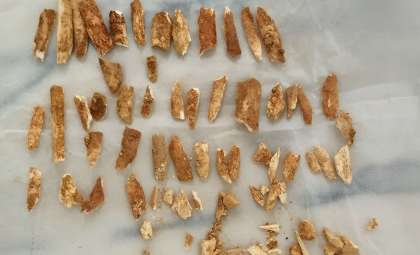
Following three years of analysis, an international group of scientists successfully extracted DNA from the bones. This breakthrough enabled researchers to determine the child’s age and confirm her sex, an uncommon achievement for remains of such antiquity. Dr. Rick Peterson, the lead scientist, emphasized:
“It is the first time we have been able to be so specific about the age of a child whose remains are so old and be certain that they are from a female.” And the jewelry found with her, dated to the same period, makes it clear that the burial was intentional.
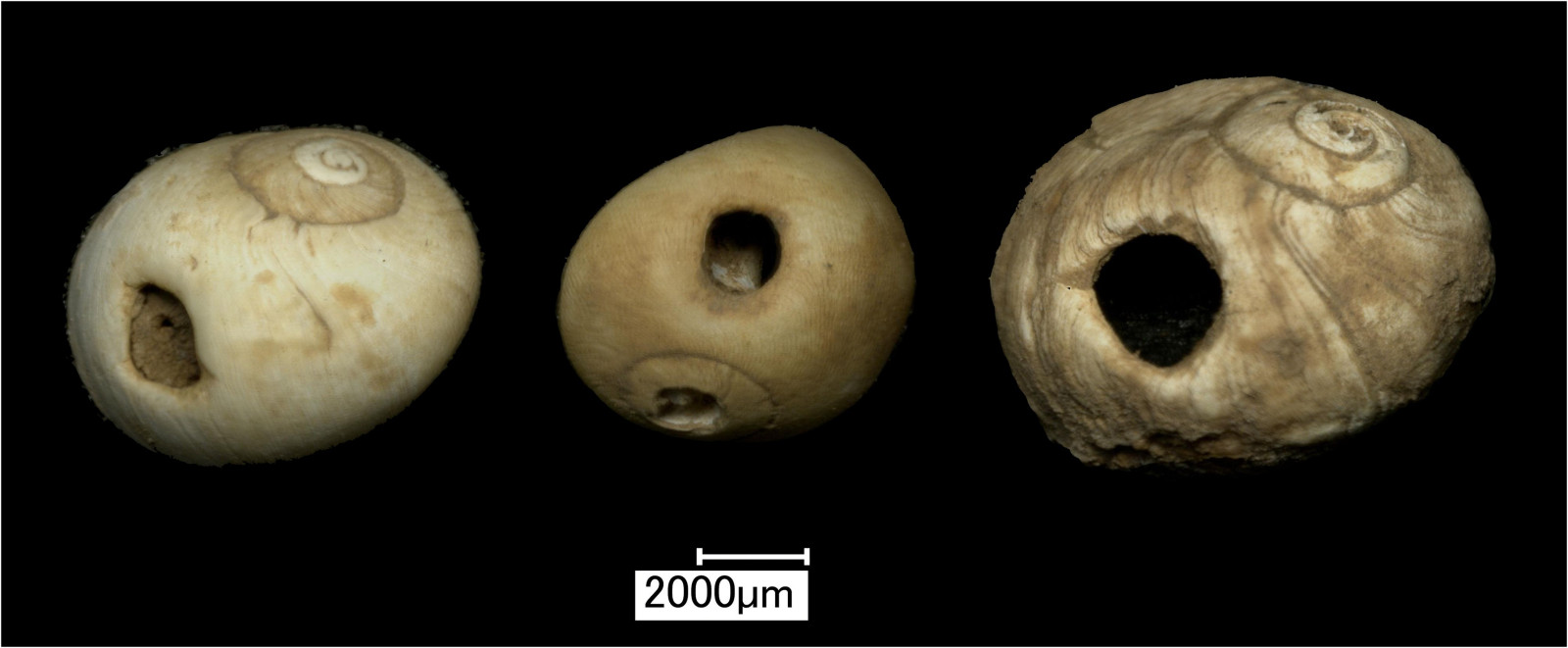
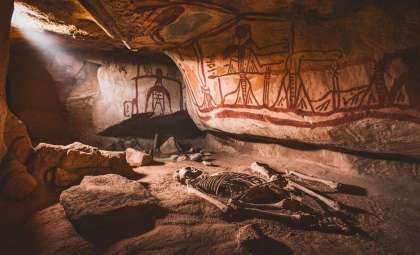
Caves like Heaning Wood Bone were frequently regarded as portals to the spiritual realm. Peterson highlighted that the meticulous arrangement of the "Ossick Lass," accompanied by beads and a deer tooth, indicates the community honoured her passing with reverence, echoing rituals observed at other Mesolithic sites across northern Europe.
Insights into Early Spiritual Customs
The young girl has been affectionately named the “Ossick Lass,” a term derived from the local dialect meaning “Urswick girl,” linking her to the nearby village.
Martin Stables, a passionate amateur archaeologist who began excavations at the site in 2016, described the experience as a journey through time. He uncovered layers from the Bronze and Neolithic Ages before reaching the Mesolithic strata.
“Ultimately, reaching the Mesolithic Period has obviously become the highlight of the excavation and something that’s particularly poignant to myself. Effectively, I was the first to bear witness to the obviously caring burial of someone’s child that occurred over 11,000 years ago,” he said in a release published by the University of Central Lancashire.
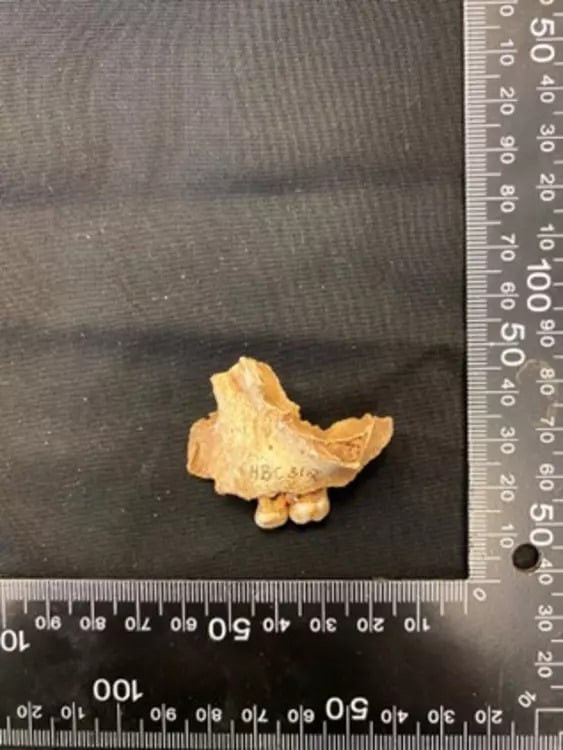
Heaning Wood Bone Cave contains graves of at least eight people spanning three distinct time periods: the Early Bronze Age, the Early Neolithic, and the earliest Mesolithic. Stables noted that the cave’s repeated use highlights its long-standing spiritual importance to communities over millennia.
The Significance of Caves in Ancient British Life
Prior to this finding, the oldest known skeletal remains in northern Britain were roughly 10,000 years old, discovered in Kent’s Bank Cavern. Researchers affiliated with the University of Central Lancashire suggest that the Ossick Lass now holds the record as the earliest human presence identified in the region.
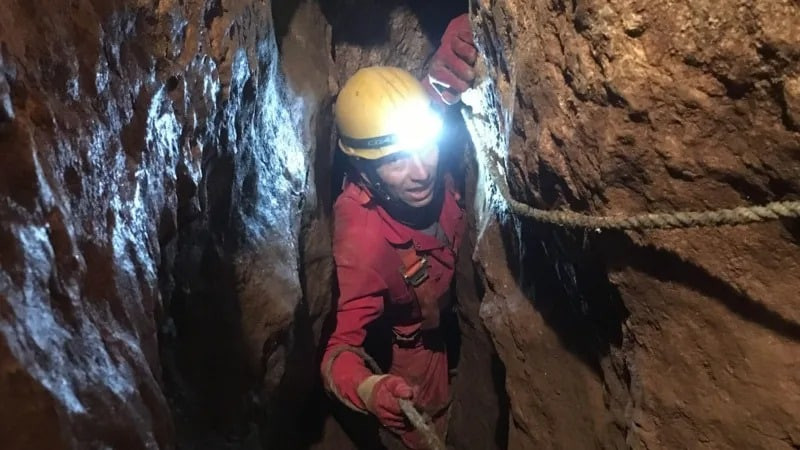
The findings, detailed in the Proceedings of the Prehistoric Society Journal, underscore the rarity of Mesolithic remains in northern latitudes. Stables expressed hope that ongoing studies will uncover more about burial traditions and daily life in this ancient community.
“The publication of this research paper is an important stage, that in due course, allows us to reveal further information about this unique site of national importance. My journey continues, but in the present as this is just the beginning and there is much more we plan to tell.”
- Categories:
- Science







0 comments
Sign in to Comment