
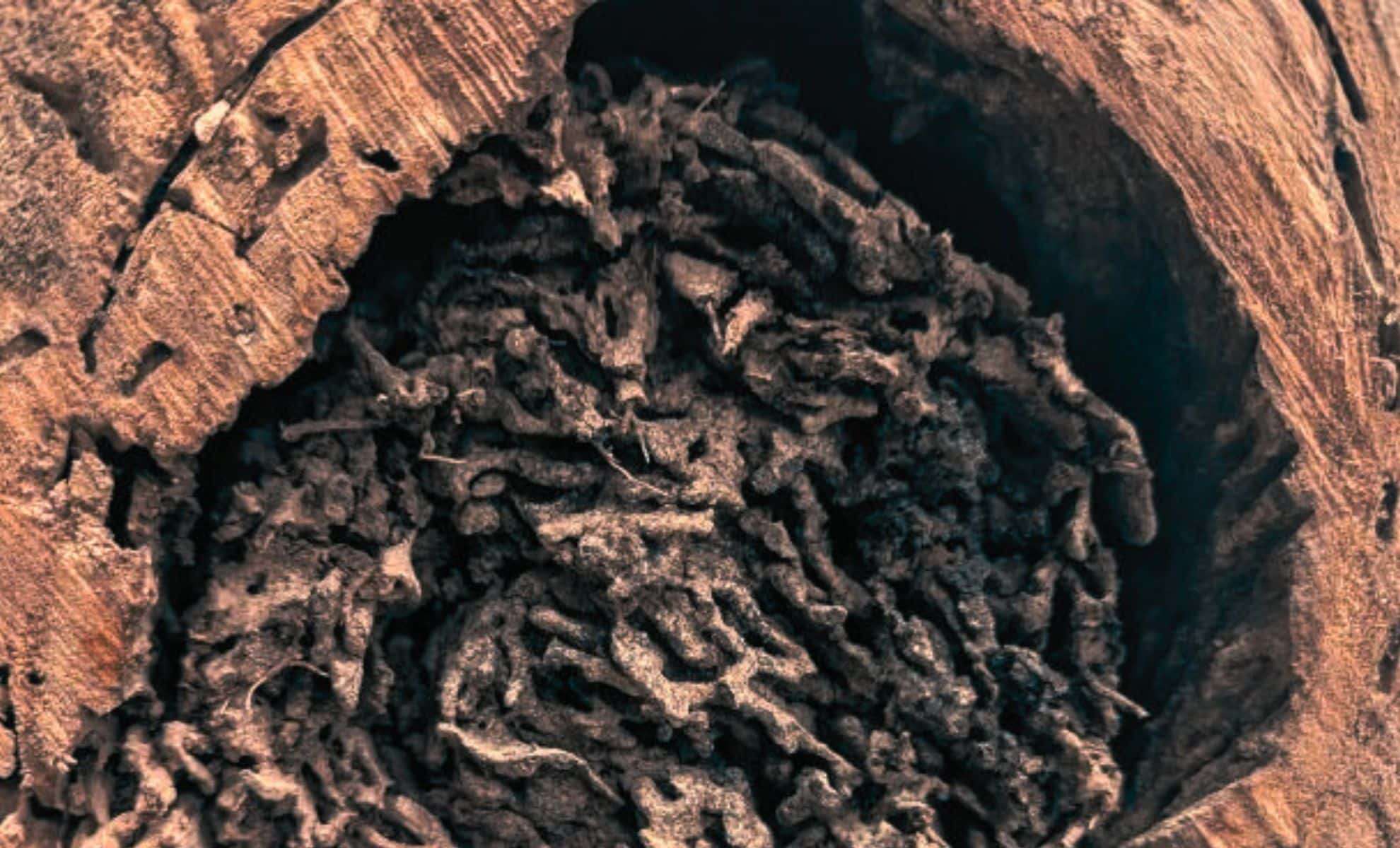
Florida's termite problem has taken a new turn with the emergence of a hybrid termite species that is raising concerns among scientists and homeowners alike. This newly identified invasive pest thrives by combining traits from two highly destructive termite species, making it tougher to control.
Identification of a Potent Hybrid Pest
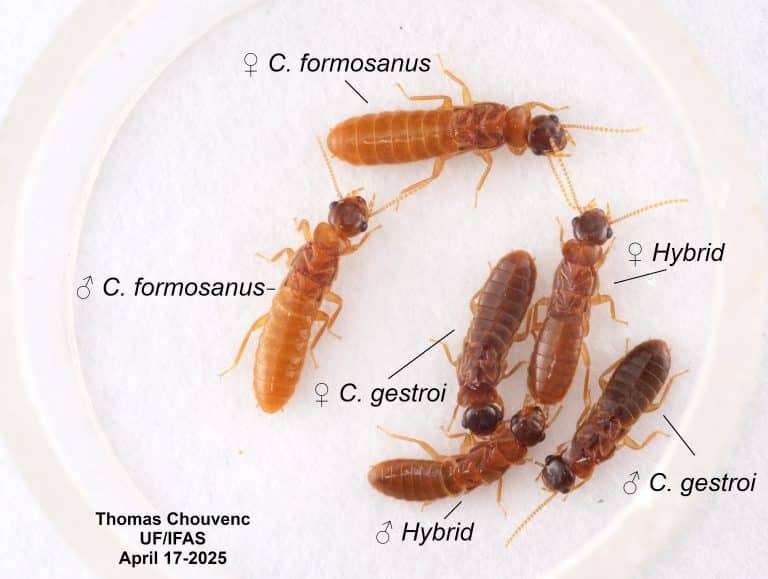
Researchers at the University of Florida's Institute of Food and Agricultural Sciences (UF/IFAS) have confirmed the presence of a termite hybrid in South Florida that merges the characteristics of both the Asian subterranean termite (Coptotermes gestroi) and the Formosan subterranean termite (Coptotermes formosanus). Each is notorious for causing extensive damage worldwide.
The fusion of these two species has produced offspring capable of inflicting greater destruction and rapid colony expansion, complicating pest control efforts. Dr. Thomas Chouvenc, assistant professor at UF/IFAS, stated, “Hybrid colonies exhibit accelerated growth and swift dispersal, presenting new challenges for management.”

Hybrid Advantages Heighten Threat Levels
What makes this termite hybrid especially alarming is the phenomenon called “hybrid vigor,” which results in increased strength, faster reproduction, and greater adaptability. Due to this, hybrid colonies might invade regions unsuitable for either parent species alone, boosting their spread.
Additionally, these hybrid termites have shown a marked resistance to environmental conditions that usually limit their parents, posing a formidable challenge to traditional pest control measures. This adaptability raises serious concerns about the effectiveness of conventional termite eradication techniques.
Increased Risks for Florida Property Owners
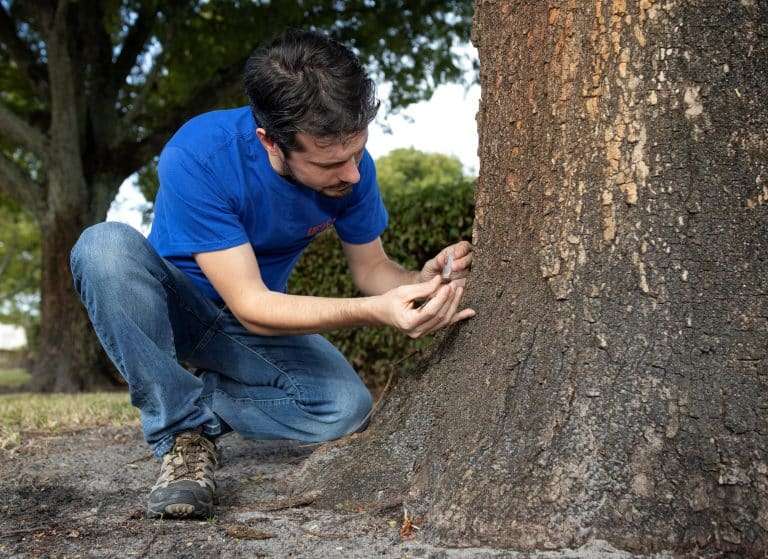
For homeowners in Florida, this discovery translates to a heightened threat of termite infestations that spread more rapidly than before. With termite-related damages costing billions annually across the United States, this hybrid species could escalate repair costs and challenges.
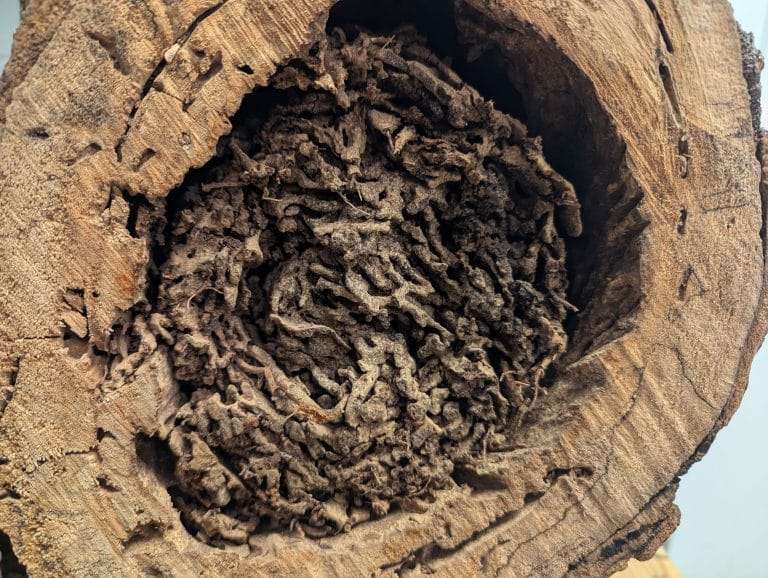
Early identification and proactive prevention efforts are critical, particularly in South Florida, where both termite species coexist. Homeowners should actively look for typical infestation signs such as shedded wings, mud tunnels, or damage to wooden structures and seek expert pest control services without delay.
Advancing Preparedness for Emerging Threats
This finding highlights the necessity for ongoing research and evolving pest management tactics. Collaboration among pest control specialists, homeowners, and regulatory bodies is essential to effectively counteract the growing hybrid termite populations.
The case of Florida’s hybrid termites exemplifies the swift evolution and adaptation potential of invasive pests, underscoring the urgency of vigilant monitoring and rapid response to safeguard both homes and natural habitats.
Dr. Chouvenc emphasized, “Maintaining awareness and implementing early control are crucial to minimize damage caused by these termites going forward.” With combined efforts in research and detection, Florida aims to mitigate the impact of this emerging pest menace.
- Categories:
- News









0 comments
Sign in to Comment