
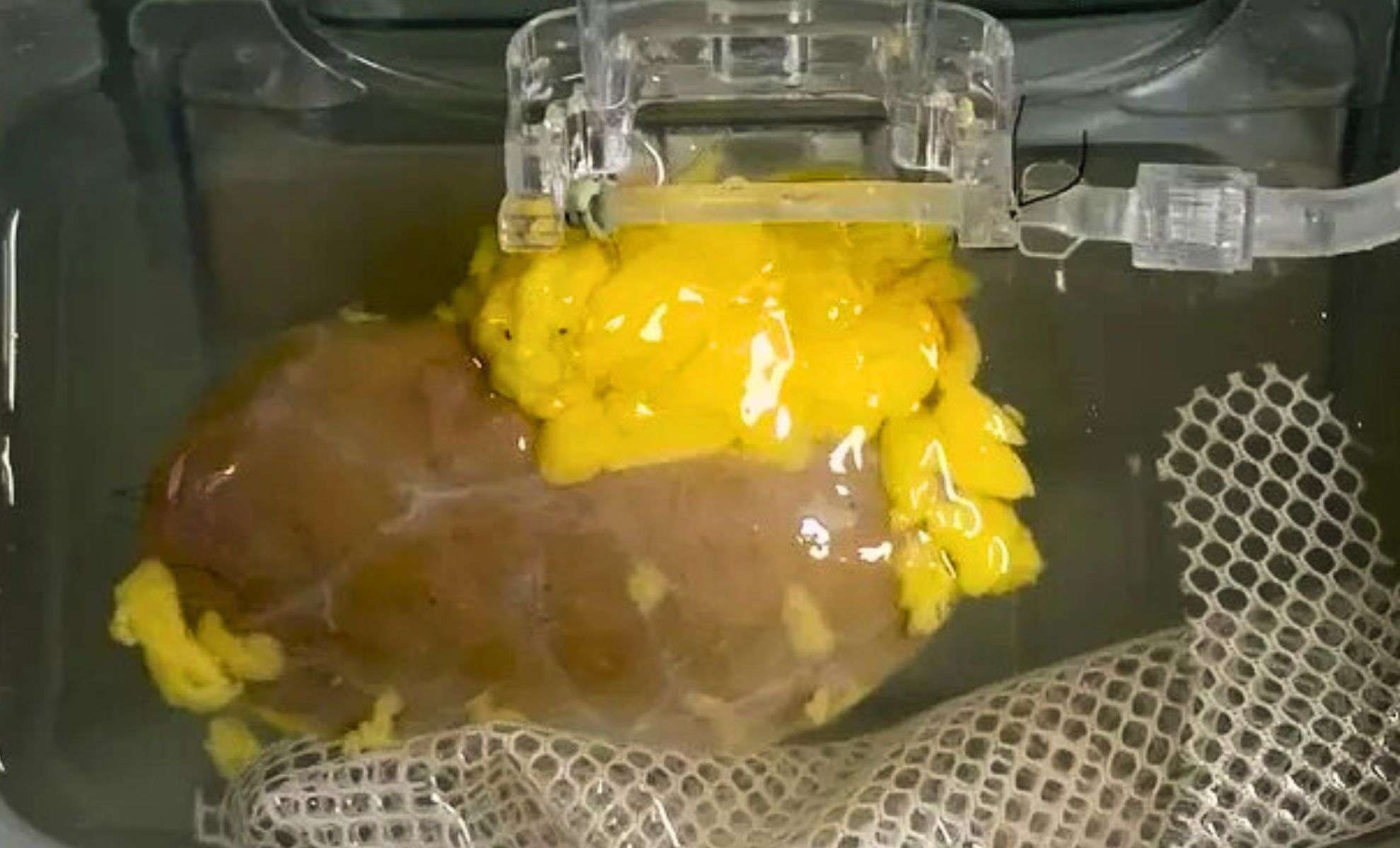
Inside a quiet medical facility in Chongqing, China, a groundbreaking medical trial took place involving a 68-year-old brain-dead patient. For a span of two days, a kidney initially incompatible by blood type, specifically Type A, was able to function within his body without initiating a severe immune rejection. This success was achieved not through immune suppression, nor by chance, but by chemically transforming the organ’s blood type.
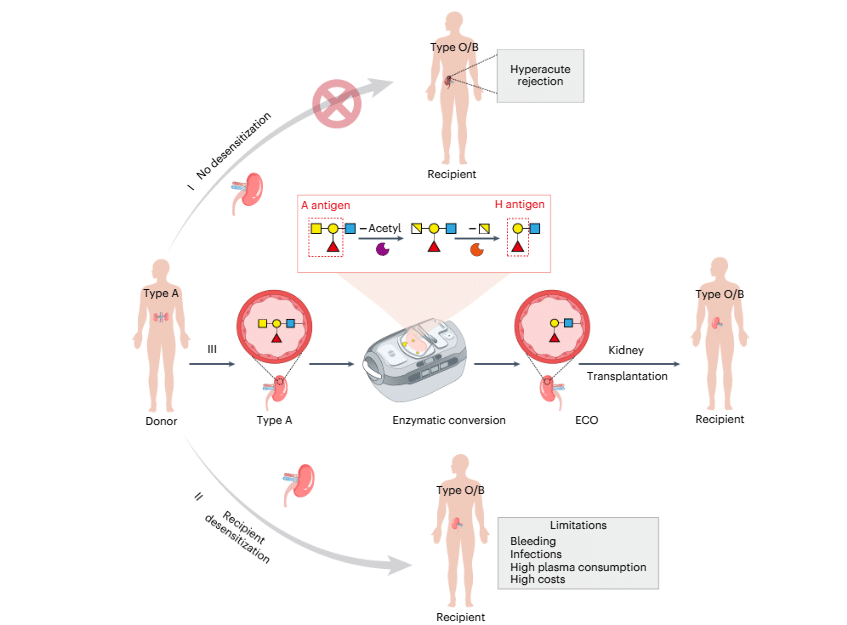
Collaborators from the University of British Columbia and West China Hospital utilized specialized enzymes to convert the kidney to Type O — known as the universal donor type — by eliminating the molecular tags that typically trigger immune attack. This marked the first occasion where an organ’s blood type was altered prior to transplant without the need for immune-suppressing drugs.
Published in a peer-reviewed paper in Nature Biomedical Engineering, this achievement represents a pivotal advancement in developing universal organs that could be transplanted into a wide range of recipients. Although the kidney was rejected by day three, the initial successful function demonstrated the feasibility of this approach.

The urgency for such innovations is critical. Currently, the United States alone has more than 92,000 individuals awaiting a kidney transplant, per the U.S. Health Resources & Services Administration. Every day, an estimated 13 patients die while waiting for a compatible donor. For patients with Type O blood, the wait time is often especially prolonged.
Rethinking Organ Compatibility
Successful transplants have traditionally depended on matching blood types to prevent hyperacute rejection—a rapid immune attack that can destroy the new organ within minutes. This has made it essential that donor and recipient blood types align closely.
Among blood groups, Type O is unique because it lacks both A and B antigens, allowing it to be transfused into recipients of almost any blood type, assuming Rh factor compatibility is considered. The American Red Cross provides a comprehensive explanation of the Rh factor's role in immune compatibility.
This principle extends to organs: kidneys classified as Type O are often prioritized because their universal compatibility allows use in a broader range of patients. This imbalance in supply and demand has driven scientists to explore modifying the donor organ itself rather than relying solely on recipient immune suppression.
Enzymatic Erasure of Immune Markers
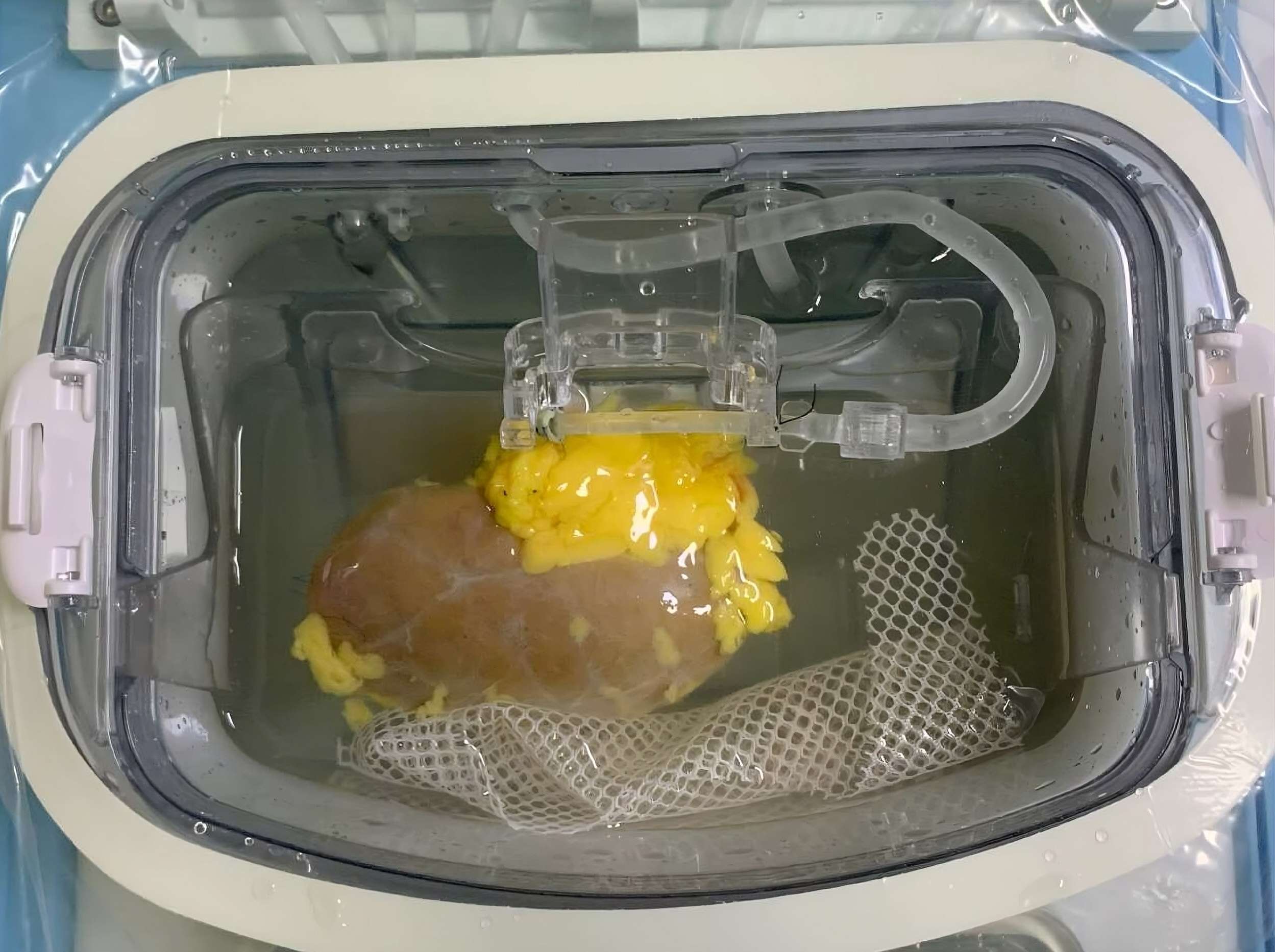
The breakthrough stemmed from enzymes discovered in the human gut microbiome capable of removing A antigen molecules from the surface of kidney cells. Led by biochemist Stephen Withers at the University of British Columbia’s Chemistry Department, researchers treated the donor kidney with these enzymes through a two-hour perfusion process, effectively stripping away its blood type identity.
Withers likened the process to "peeling off red paint to expose a neutral primer underneath," as reported by Smithsonian Magazine. Without the A antigens, the immune system failed to immediately recognize the kidney as foreign.
The organ was transplanted into a brain-dead donor whose family gave consent for the procedure. Remarkably, no antibody-blocking drugs were used, enabling observation of the organ’s natural immune interaction. For 48 hours, the kidney functioned, producing urine and receiving robust blood flow. Rejection began around day three as the A antigens gradually reappeared.
This research builds on previous efforts, including a 2022 breakthrough where blood type conversion was demonstrated in lungs and kidneys but without implantation. As reported by Live Science, this trial is the first to test a blood type–converted kidney in a living human body.
Broadening Donation Possibilities
Today, ABO-incompatible transplants require strong immune suppression and are mostly limited to living donors. Deceased donor organs, which must be transplanted swiftly, do not allow enough preparation time for recipient immune conditioning.
By focusing on modifying the donor organ itself instead of altering the recipient, this method could broaden transplant access for patients who are difficult to match, especially those with Type O blood. “This changes the paradigm,” said co-author and pathologist Jayachandran Kizhakkedathu of UBC. “We’re addressing rejection at its source rather than just managing symptoms.”
Additionally, this approach might help reduce racial gaps in organ allocation. A 2022 report by the National Academies highlighted systemic inequities, noting Black and Hispanic patients—who are disproportionately represented among those with Type O blood—face longer waits and lower donor representation.
Challenges Ahead Before Clinical Use
While this initial success is encouraging, the technique remains experimental. Because the enzyme treatment does not permanently modify the organ, the return of blood type antigens presents a significant obstacle. Researchers anticipate combining blood type conversion with existing immune therapies to extend graft survival in future studies.
This milestone opens the door to clinical trials involving living recipients and foreshadows new possibilities for transplant compatibility. It also represents a landmark advance since the inception of transplant immunology.
“Though early days remain,” Withers remarked, “perfecting this process could ultimately make blood type irrelevant in transplantation.”
- Categories:
- Science












0 comments
Sign in to Comment