
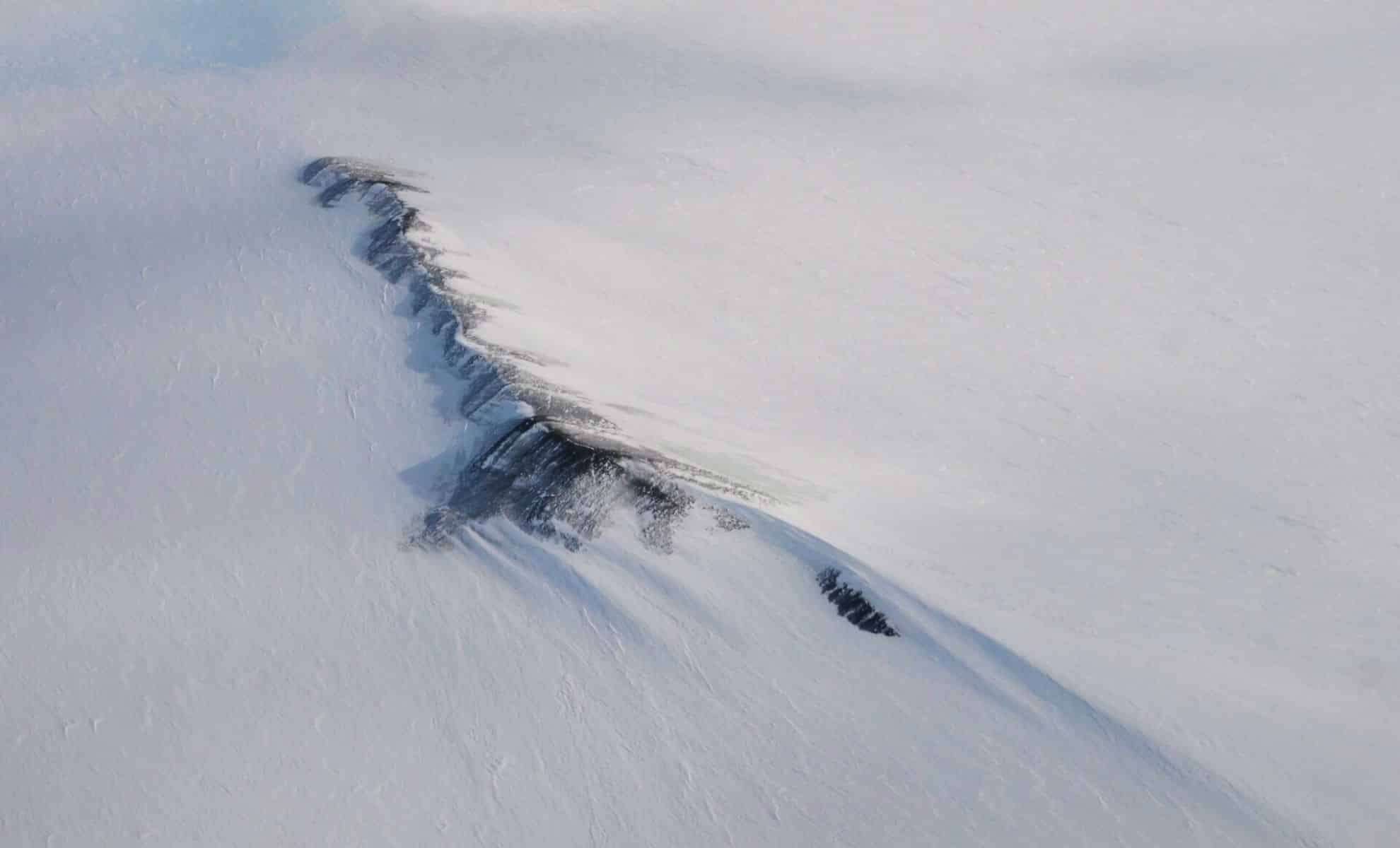
Researchers have identified 85 previously undiscovered subglacial lakes deep below Antarctica’s expansive ice sheet. These active lakes emerged through analyzing a decade of data collected by the European Space Agency’s CryoSat-2 satellite. This groundbreaking research, recently featured in Nature Communications, represents a 58% rise in the count of known active subglacial lakes, bringing the total figure to 231.
An Invisible Aquatic Web Influencing Ice Movement
Contrary to past beliefs that subglacial lakes remained frozen and still, these newly charted lakes are dynamic systems. They are classified as active because they cycle through phases of draining and refilling, which induce measurable but gradual alterations in the ice sheet’s surface elevation. These processes can span months or years, and high-resolution satellite data has enabled unprecedented tracking of these subtle changes.
Located kilometers beneath the ice surface, these lakes are sustained by geothermal warmth from the Earth’s depths combined with frictional heat generated by the ice’s movement over bedrock. The accumulation of meltwater reduces basal friction, potentially accelerating glacier flow towards the sea.

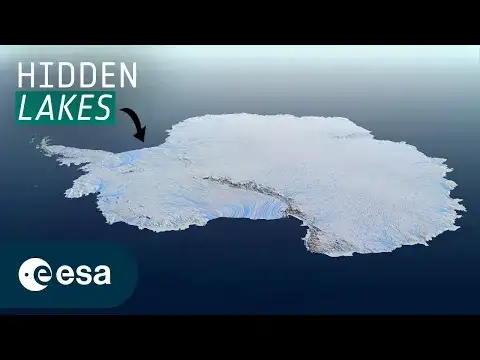
Monitoring Ice Sheet Fluctuations From Space
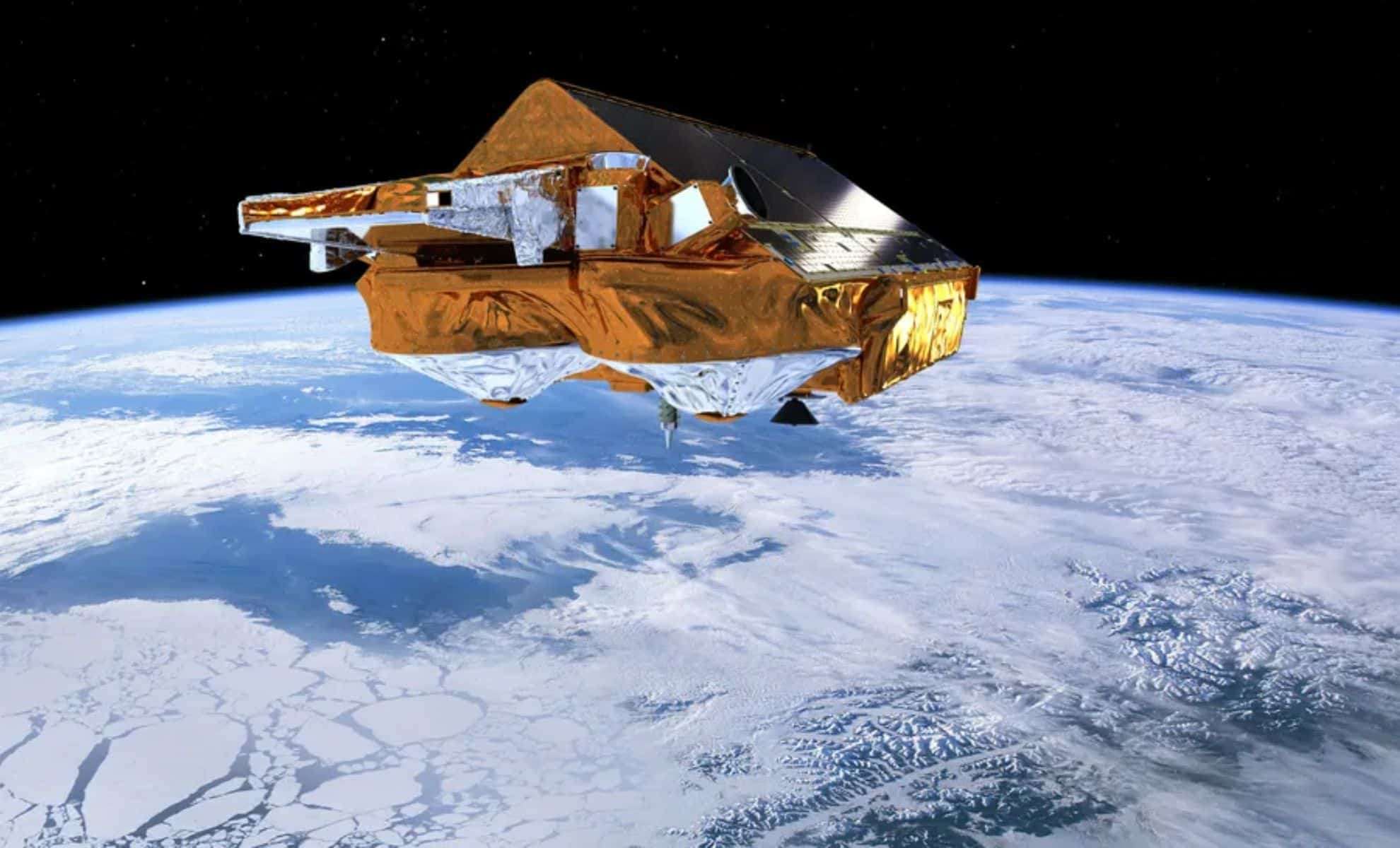
With the aid of CryoSat-2’s radar altimetry, scientists examined minute variations in ice sheet height during 2010–2020, exposing definitive evidence of subglacial lake activity. These vertical changes, sometimes merely centimeters, signified locations where water accumulated and subsequently drained.
Prior to this investigation, only 36 full lake drainage and refill cycles had been documented globally. This study added 12 more cycles, bringing the total to 48. Additionally, researchers identified five new interconnected lake networks beneath the ice, underscoring the complexity of Antarctica’s subglacial drainage.
Insights into Lake Vostok’s Stability
Even though many of the freshly found lakes are small, this research enhances our understanding of larger subglacial systems such as Lake Vostok. Buried under nearly 4 kilometers of ice, Lake Vostok is traditionally seen as stable; however, scientists caution that drainage events there could have extensive repercussions for ice sheet stability, ocean circulation patterns, and global sea level rise.
Lake Vostok holds an enormous volume of water, enough to fill the Grand Canyon and exceed it by roughly 25%, according to the European Space Agency. Lead researcher Sally Wilson, a PhD candidate from the University of Leeds, highlighted that this discovery marks just the start of understanding Antarctica’s hidden water systems.
“The numerical models we currently use to project the contribution of entire ice sheets to sea level rise do not include subglacial hydrology,” she said. “These new datasets of subglacial lake locations, extents, and timeseries of change, will be used to develop our understanding of the processes driving water flow beneath Antarctica.”
Addressing Key Gaps in Climate Models
This discovery provides essential data to refine future predictions of sea level rise, given how meltwater dynamics influence Antarctic ice movement. Professor Anna Hogg from the University of Leeds, co-author of the study, noted that the frozen continent’s subglacial water systems are “far more active than previously understood,” highlighting the need for ongoing surveillance.
Martin Wearing from ESA’s Polar Science Cluster emphasized CryoSat’s vital contribution to polar research.
“The more we understand about the complex processes affecting the Antarctic Ice Sheet, including the flow of meltwater at the base of the ice sheet, the more accurately we will be able to project the extent of future sea level rise,” he said.
Unveiling these hidden lakes is deepening our insight into the powerful natural forces operating within one of Earth’s most isolated and delicate ecosystems.
- Categories:
- News



0 comments
Sign in to Comment