
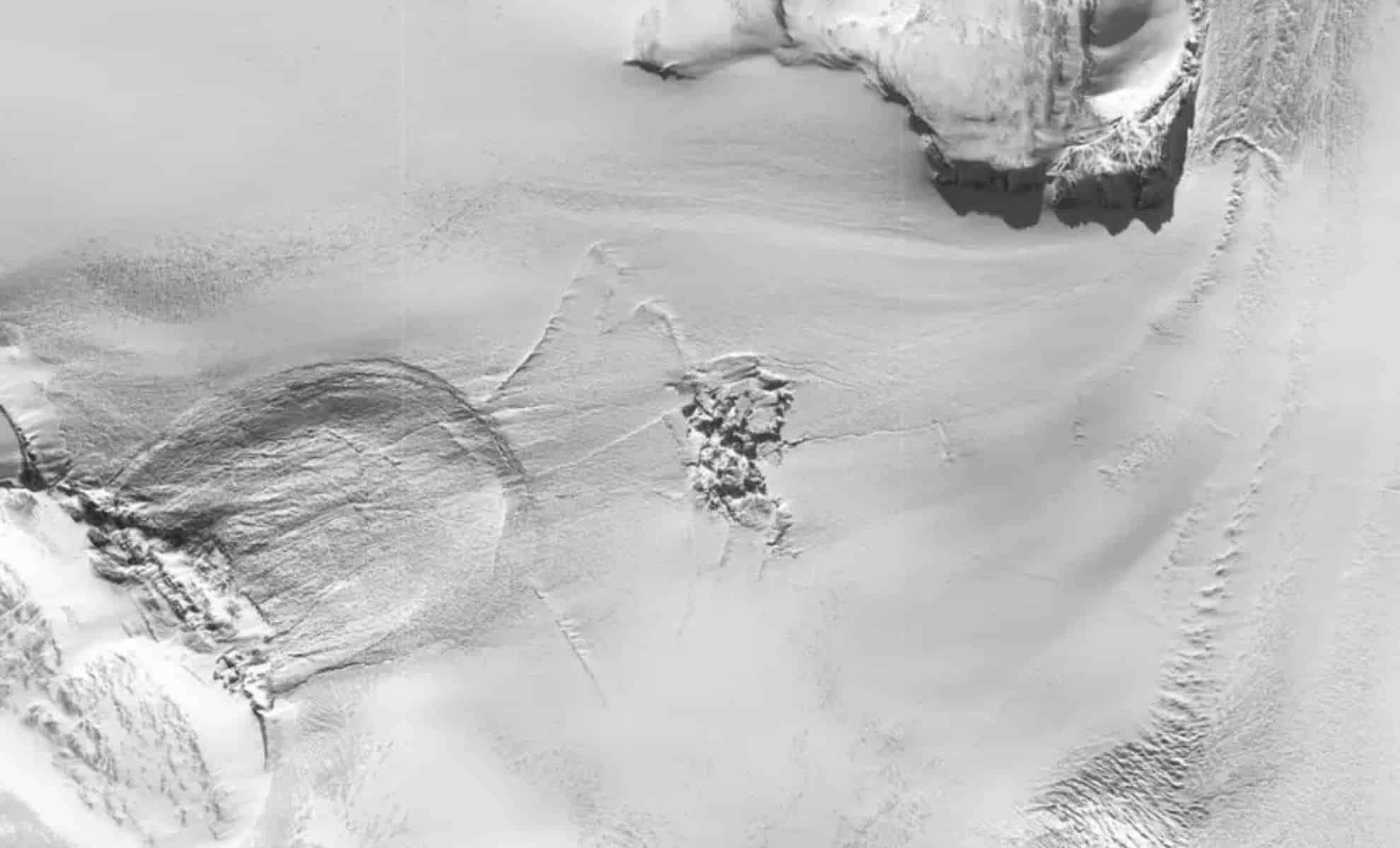
In a remarkable revelation, researchers have uncovered an extraordinary meltwater event beneath Greenland’s ice sheet dating back to 2014. A recent article in Nature Geoscience describes how meltwater from a subglacial lake burst abruptly through the ice, an occurrence that challenges previously accepted models of subglacial water behavior. While scientists have long studied subglacial lakes, this sudden eruption represents a novel and unexpected phenomenon, raising concerns about the future stability of Greenland’s ice and its impact on global sea levels and climate systems.
An Extraordinary Event: The 2014 Subglacial Water Burst
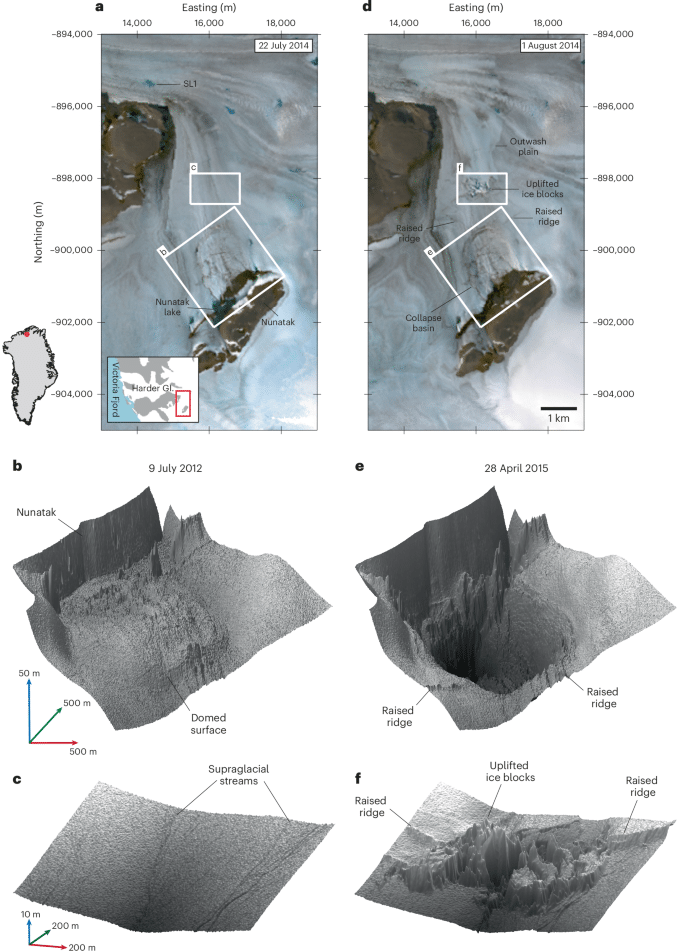
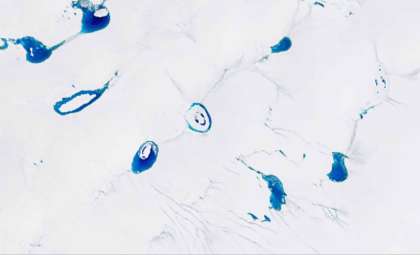
“This type of event has never been documented before,” stated Malcolm McMillan of Lancaster University, a leading figure in the investigation. Subglacial lakes beneath Greenland’s vast ice sheet are known to drain meltwater gradually. However, the 2014 incident differed drastically; over about ten days in the summer, pressure from accumulating water caused it to erupt explosively through the ice. This caused a substantial crater visible via satellite images, surprising experts with its scale and suddenness.

This discovery raises significant questions about subglacial hydrology and the unpredictable behavior of ice-sheet dynamics. The event signals that Greenland’s ice might respond to environmental changes in ways not previously accounted for, underscoring the complexities and potential vulnerabilities of the ice sheet.
Implications for Climate and Sea Level Rise
The significance of the eruption extends beyond Greenland, tying directly into concerns about rising sea levels worldwide. Greenland’s ice sheet is the planet’s second largest, trailing only Antarctica, and its melt contributes notably to global sea level increases. The ongoing rise in temperatures from human-driven greenhouse gas emissions accelerates ice loss in polar regions. According to NASA, Greenland’s ice is diminishing at a rate of 12.2% per decade, fueling sea level rise that threatens coastal ecosystems and amplifies extreme weather events globally.
The newly witnessed subglacial eruption highlights the fragile state of Greenland’s ice and complicates understanding of climate change impacts. “While subglacial lakes are known to drain periodically,” McMillan noted, “this sudden eruption presents a fresh challenge in anticipating the ice sheet’s response.” Such explosive events could hasten melting and destabilize ice, pushing scientists to rethink predictions and mitigation strategies as conditions continue to evolve.
Addressing the Challenge: Geoengineering and Climate Strategies
Urgent and ongoing research into Greenland’s ice sheet behaviour is vital to better comprehend these emerging threats. Though ambitious geoengineering solutions to slow ice melt are being studied, their practical rollout remains distant. These interventions, aiming to reduce or delay ice loss, must be carefully evaluated for environmental repercussions and effectiveness. Concurrently, global climate policy efforts remain essential to tackling the underlying causes of warming and polar ice retreat.
Insights from this groundbreaking discovery offer valuable perspectives for future climate planning. Understanding the rapid, unpredictable drainage of subglacial lakes is key to refining forecasts of ice sheet fate and developing responses to curb sea level rise. As global temperatures climb, decoding Greenland’s shifting ice dynamics will be crucial to protecting vulnerable coasts and ensuring planetary stability.
- Categories:
- News



0 comments
Sign in to Comment