
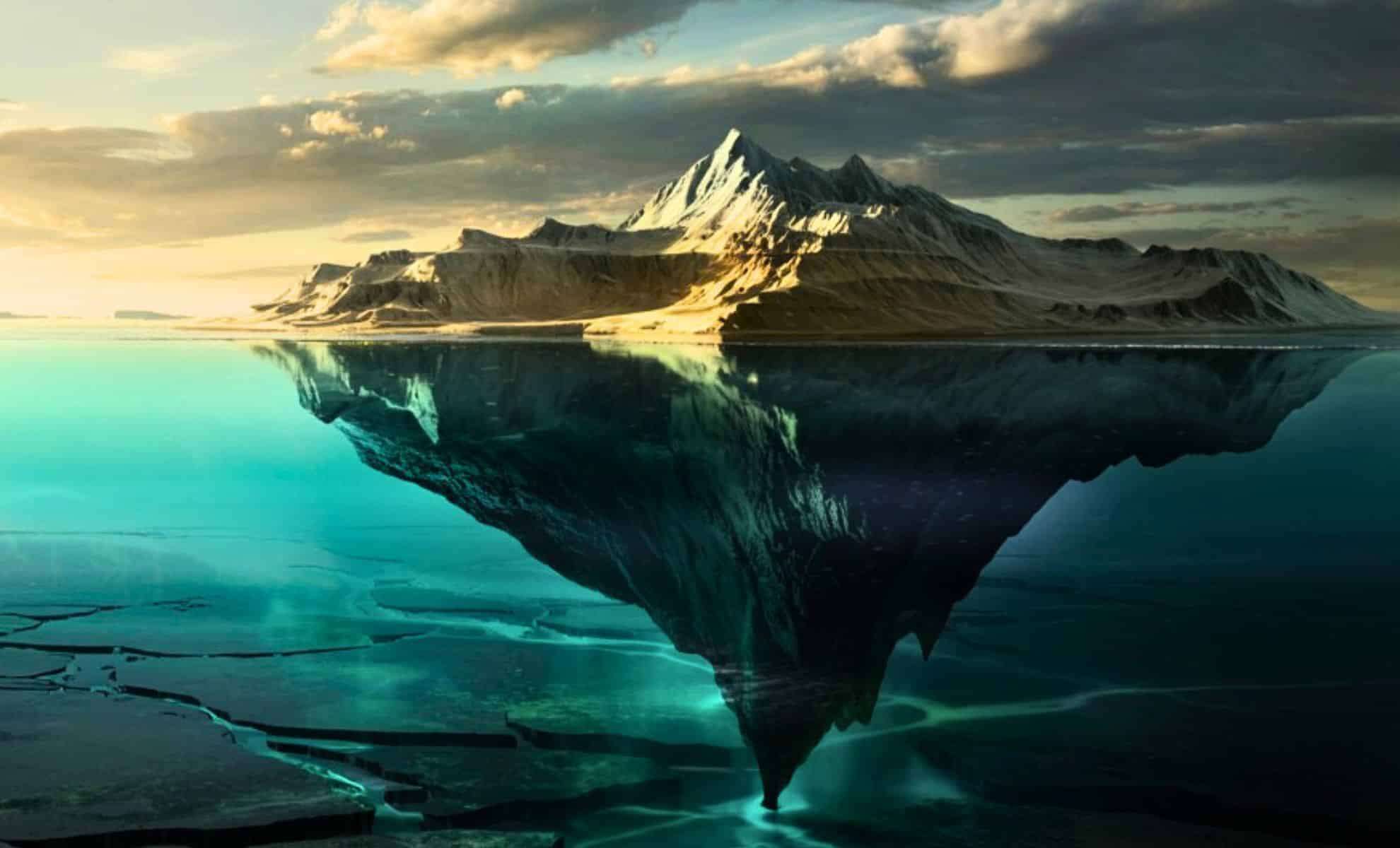
Researchers have identified a buried continental fragment beneath Greenland’s extensive ice cover, shedding light on the ancient geological forces that sculpted Earth’s crust. This newly found microcontinent originated millions of years ago and is linked to a complicated rift system between Greenland and Canada.
This discovery not only alters the geological map of the North Atlantic region but also enhances our knowledge of plate tectonic shifts, continental drift, and the process by which fragments of ancient crust become isolated during the formation of new ocean basins.
Tectonic Rifting between Canada and Greenland
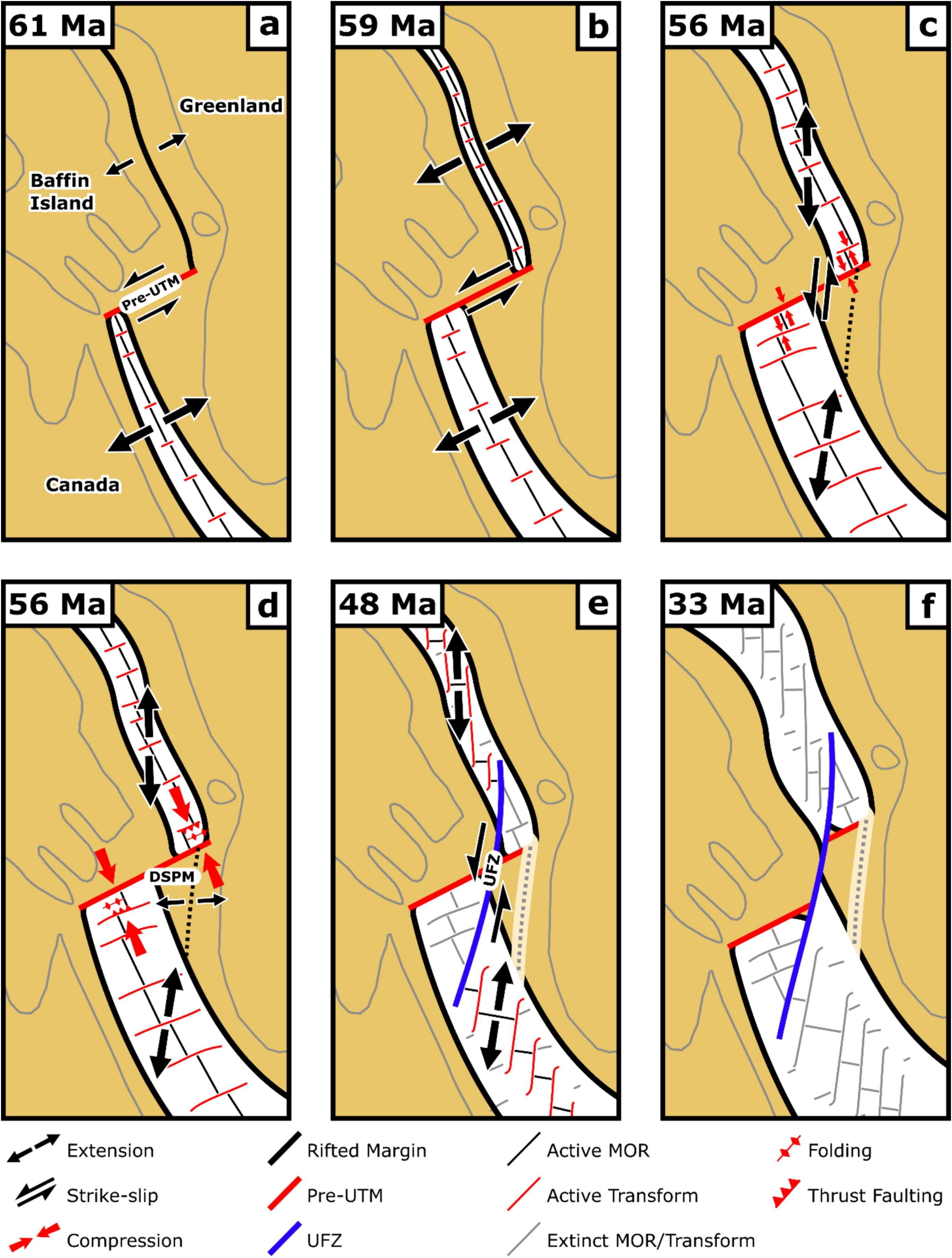
The geologically complex area separating Canada and Greenland has been a subject of study for decades. It includes where the Labrador Sea and Baffin Bay meet through the Davis Strait, a zone shaped by tectonic forces during the Paleogene period, roughly between 61 and 33 million years ago. This era marked the start of crustal breakup and seafloor spreading in the region.

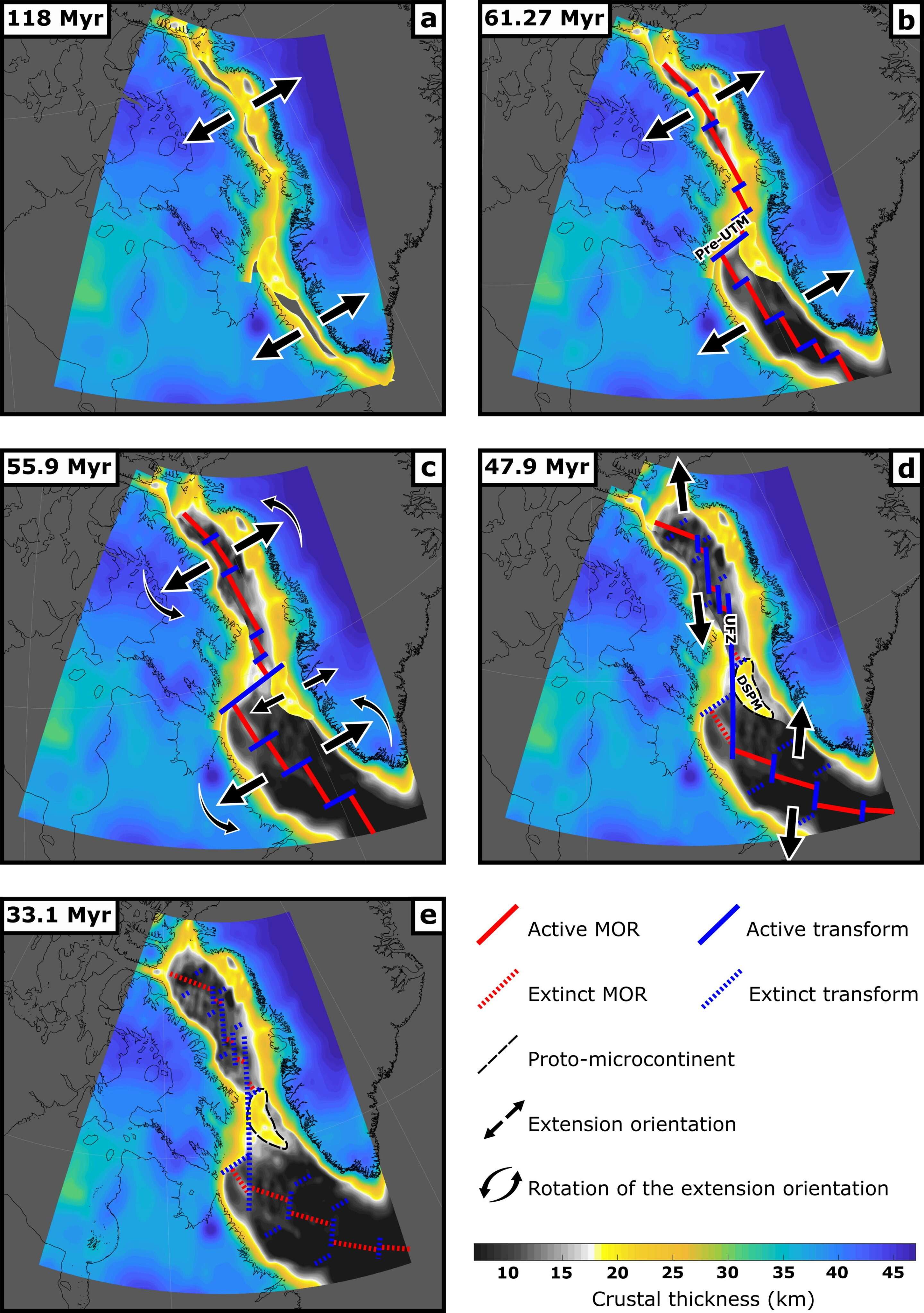
Scientists now suggest that a notably thick portion of continental crust, measuring between 19 and 24 kilometers in depth, was never fully separated during this tectonic stretching. Instead, this crustal segment became trapped beneath the ocean floor.
Termed the Davis Strait proto-microcontinent, this piece of continental lithosphere remains detached from major landmasses but has not completely drifted away.
Glacial Coverage Conceals a Geological Puzzle
Using gravity anomaly data combined with seismic survey techniques, scientists mapped the faults and structural layout beneath this region. These findings revealed a dramatic shift in the direction of seafloor spreading that occurred approximately between 49 and 58 million years ago. The change in spreading orientation — from a northeast-southwest to a more north-south direction — was instrumental in isolating the Davis Strait microcontinent.
By the time ocean spreading ceased around 33 million years ago, Greenland had collided with Ellesmere Island, merging with the North American plate. This collision ended significant tectonic activity in the vicinity and locked this proto-microcontinent beneath the ocean and along Greenland’s western margin.
Refined Models Reveal Tectonic History
Lead researchers Dr. Jordan Phethean, PhD candidate Luke Longley at the University of Derby, and Dr. Christian Schiffer from Uppsala University highlight the area's isolated tectonic record as ideal for understanding the origins of microcontinents.
Their study, published in Gondwana Research, describes these proto-microcontinents as “thick continental lithosphere blocks separated from main continents by zones of thinner crust.” They emphasize that studying such formations is crucial for grasping the mechanics of crustal deformation and regeneration over geological time.
Dr. Phethean remarks that the rifting process and microcontinent emergence are ongoing, noting, “Every earthquake might be nudging us closer to the creation of a new microcontinent.” Their mission is to decode these tectonic activities to predict Earth’s crustal evolution in the future.
Broader Implications for Earth Sciences
This discovery fits into a wider pattern of submerged microcontinents globally, such as Jan Mayen near Iceland, the East Tasman Rise near Tasmania, and the Gulden Draak Knoll off Australia, which likely formed through similar tectonic and rifting dynamics.
Applying insights from this Greenland microcontinent allows geologists to better understand the broader mechanisms behind continental fragmentation and ongoing geological activity, deepening our grasp on Earth's ever-evolving surface.
Additionally, these ancient crustal remnants have significant implications for future resource exploration and assessing tectonic hazards related to active plate boundaries.
- Categories:
- News



0 comments
Sign in to Comment