
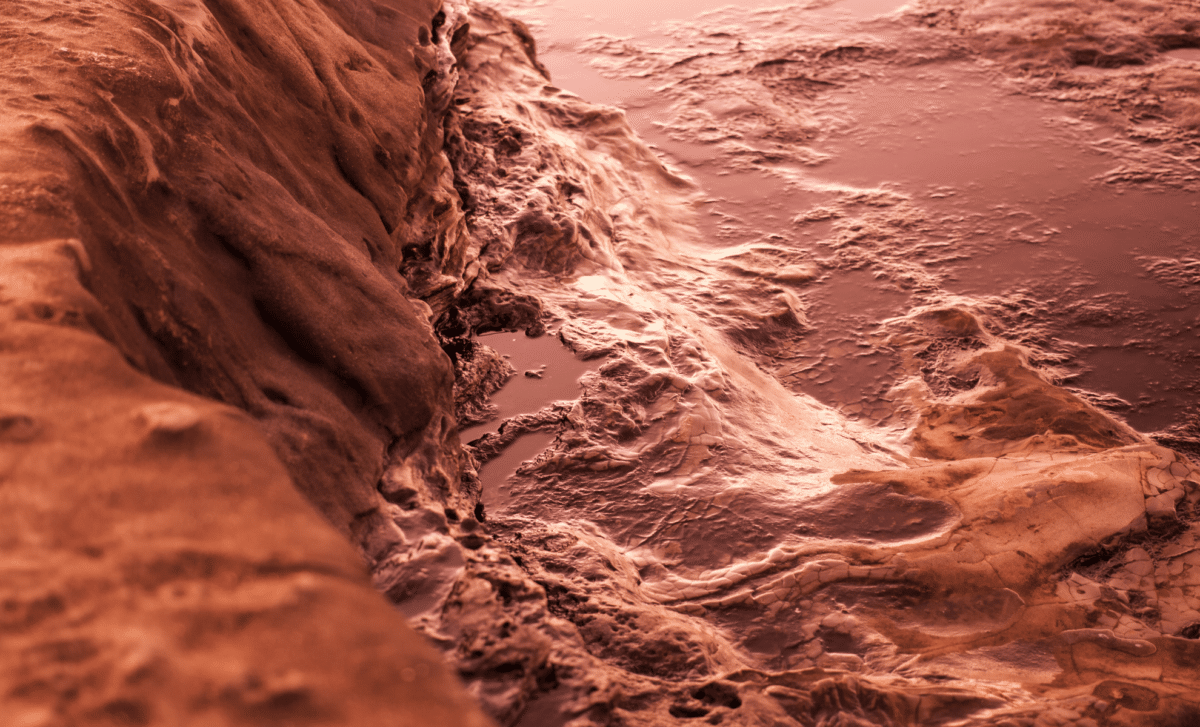
A recent publication in Advances in Space Research highlights the potential of water vapor in Mars' atmosphere as a crucial supplementary water source to support upcoming human expeditions. Although subsurface ice remains the primary and most sustainable water supply, this research explores the feasibility of extracting moisture directly from the air as a flexible alternative when underground reserves are out of reach. Spearheaded by Dr. Vassilis Inglezakis at Strathclyde University, the work stresses the necessity of developing a self-sustaining water system vital for long-term human stays on Mars.
Subsurface Ice Continues to Be the Key Water Source for Long-Term Missions
The investigation reiterates that ice deposits beneath Mars' surface represent the most dependable and abundant water supply for colonists. These frozen reserves offer a constant and accessible store of H₂O, but their proximity to common landing sites for future astronauts is uncertain. Additionally, excavation and extraction techniques are still being refined, making it essential to have backup options for securing water.
Dr. Inglezakis from the Chemical and Process Engineering Department stated:

“Reliable access to water would be essential for human survival on Mars, not only for drinking but also for producing oxygen and fuel, which would reduce dependence on Earth-based supplies.”
The research thoroughly assesses not only the practicality but also the energy consumption, scalability, and operational complexity involved in water acquisition techniques. While underground ice is robust, establishing the required infrastructure might be challenging during initial exploration phases.
Capturing Atmospheric Moisture as an Innovative Contingency
Unlike ice extraction, collecting water vapor from the Martian atmosphere presents a versatile and transportable solution, particularly in areas lacking accessible subsurface ice. Although Mars’ atmosphere is thin and frigid, it contains trace water vapor that can be condensed and gathered using specialized equipment. The study suggests cutting-edge techniques inspired by terrestrial dehumidifiers and sorption systems to harness this resource.
Dr. Inglezakis remarked:
“This study is one of the first to compare the various technologies that could be deployed to recover water in a Martian environment. It also puts forward new ideas for atmospheric water harvesting, offering potentially valuable alternatives where other sources are inaccessible.”
Although energy demands are considerable, atmospheric moisture extraction could become an essential backup method, especially during emergencies or prolonged expeditions. The portability and adaptability of such systems enhance their appeal for sustaining human life off-world.
Advancing Sustainable Technologies to Support Mars Exploration
The findings, published in the Advances in Space Research journal, emphasize that future Mars missions will benefit from combining several water retrieval methods. Instead of relying on a singular source, integrating underground ice mining, soil moisture extraction, and atmospheric harvesting will be crucial to adapt to variable environmental and logistical challenges.
Dr. Inglezakis added:
“While the search for water continues and much of Mars remains unexplored, a clear understanding of available technologies and their realistic applications will be key to supporting sustained missions and eventual settlement. The research offers insights for future space exploration missions, supporting efforts to make them more self-sufficient and sustainable.”
This research shapes a foundational framework for establishing human habitats on Mars, aligning with the objectives of agencies such as NASA and ESA to minimize Earth dependency and foster independent ecosystems beyond our planet.
- Categories:
- Astronomy







0 comments
Sign in to Comment