
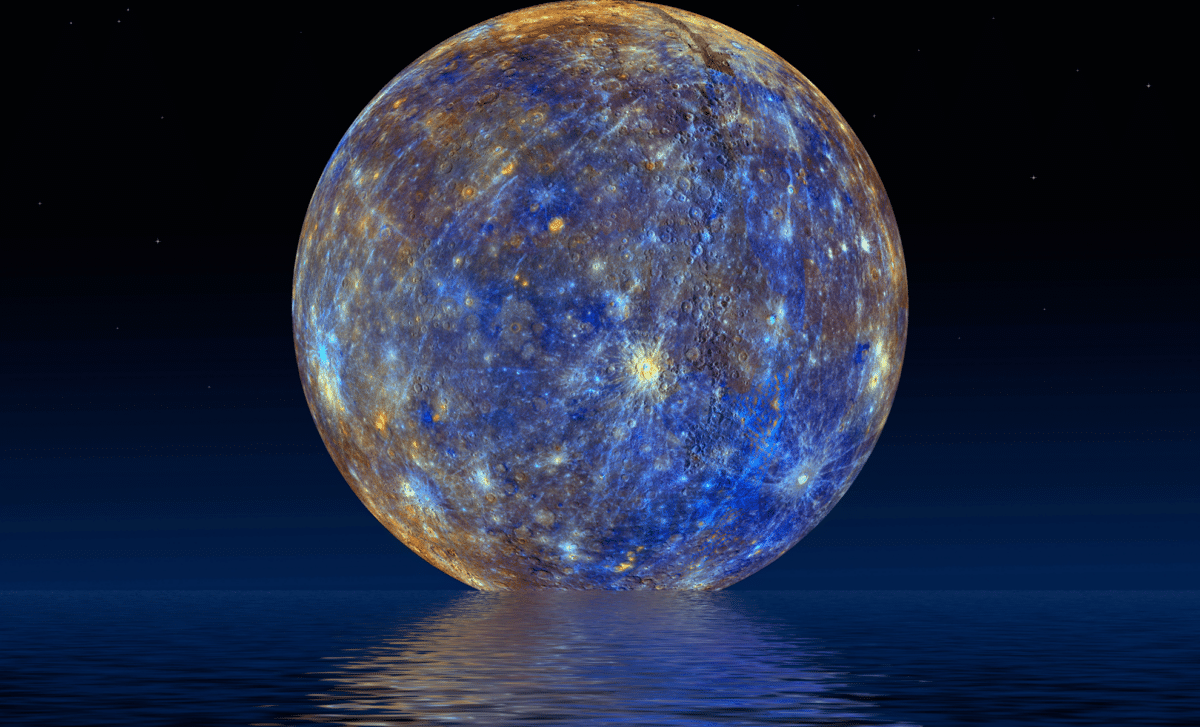
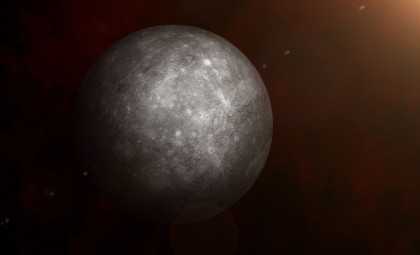
Mercury, known as the smallest and least studied planet in our solar system, continues to captivate scientists. Despite its scorched, barren exterior, recent studies indicate that the planet might conceal a surprising geological feature: an extensive deposit of diamonds hidden beneath its crust.
Decoding Mercury’s Dark and Mysterious Surface
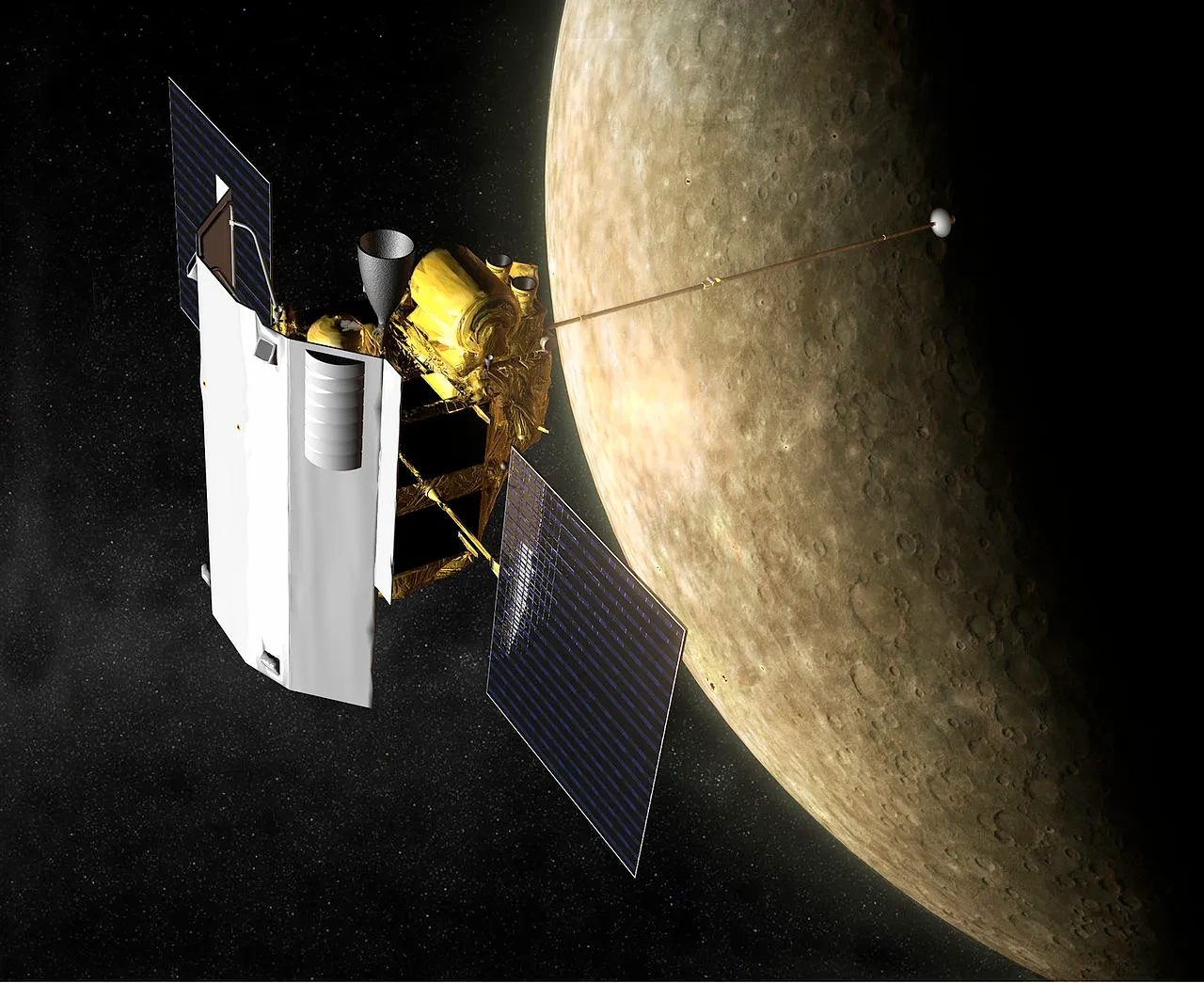
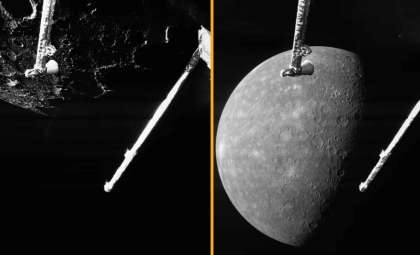
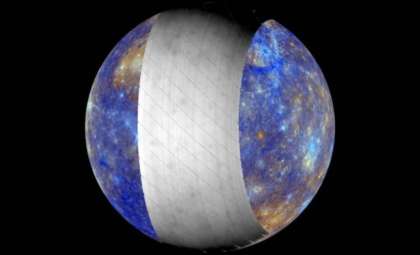
The darkened terrain of Mercury has long baffled researchers. Previously, this dim crust was believed to consist largely of graphite, associated with deep-seated carbon-rich minerals. Data from NASA’s MESSENGER mission initially suggested that graphite comprised roughly 2 to 4% of Mercury’s outer layer by weight. However, newer analyses have reduced that estimate to less than 1%, sparking questions about whether Mercury’s carbon originated externally or was produced internally during the planet’s formation.
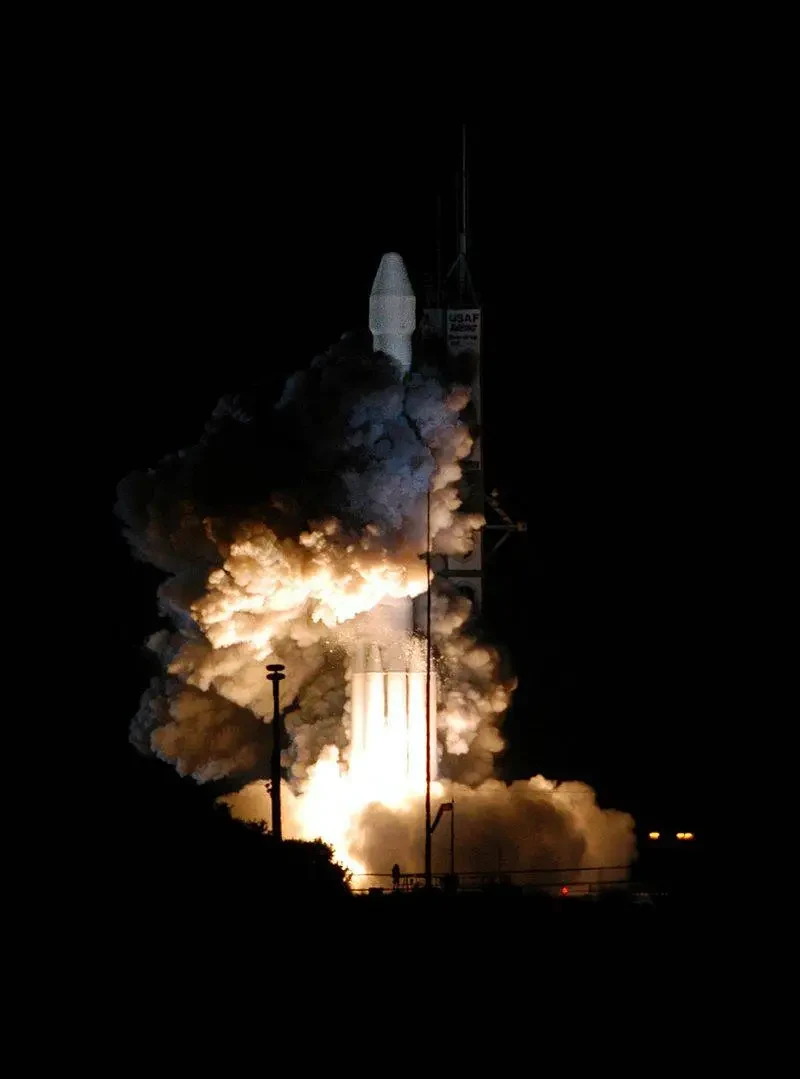
For a long time, the planet’s low albedo was attributed to widespread graphite deposits formed through a carbon-enriched magma ocean phase early in Mercury’s history, with graphite rising to the surface. But recently, refined models diving into Mercury’s inner structure have prompted a surprising theory: a subsurface diamond layer.

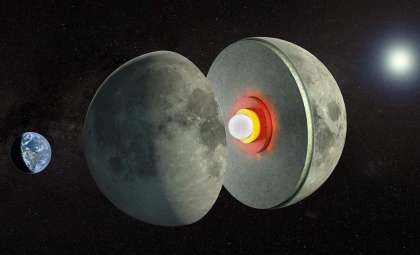
Diamond Formation at Mercury’s Core-Mantle Interface
Advanced gravity-based modeling paired with fresh data from the MESSENGER probe reveal that the pressure at Mercury’s core-mantle boundary is considerably higher than previously assumed. This increased pressure significantly influences carbon’s chemical behavior within the planet.
“We calculate that, given the new estimate of the pressure at the mantle-core boundary, and knowing that Mercury is a carbon-rich planet, the carbon-bearing mineral that would form at the interface between mantle and core is diamond and not graphite,” said Olivier Namur, an associate professor at KU Leuven and lead researcher on the study.
These findings indicate the pressure conditions at this deep boundary favor diamond formation instead of graphite. Researchers estimate this diamond layer could be roughly 9 to 11 miles (14.9 to 18.3 kilometers) thick, though the exact size remains uncertain due to the complexity of internal planetary models. This revelation suggests Mercury harbors a diamond-rich zone beneath its surface, an astounding possibility for such a small, sun-baked world.
How Sulfur Influences Diamond Creation on Mercury
To explore this hypothesis deeper, the team conducted experiments replicating Mercury’s intense pressure and temperature conditions. Using high-pressure devices, they studied carbon behavior in Mercury-like materials, revealing that abundant sulfur on the planet lowers the melting point of its magma ocean, facilitating diamond formation.
Namur elaborated,
“We believe that diamond could have been formed by two processes. First is the crystallization of the magma ocean, but this process likely contributed to forming only a very thin diamond layer at the core/mantle interface. Secondly, and most importantly, the crystallization of the metal core of Mercury.”
This latter mechanism plays a crucial role: as Mercury’s core cooled and solidified over billions of years, leftover liquid enriched in carbon enabled diamonds to form and rise toward the core-mantle boundary, creating a significant diamond-rich stratum.
Potential Impact on Mercury’s Magnetic Field
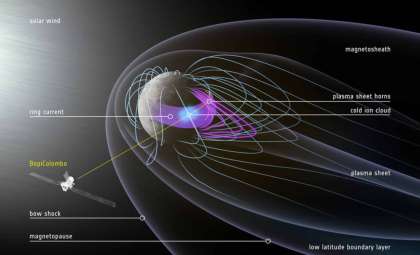
These revelations extend beyond internal composition and might influence Mercury’s magnetic properties. A diamond layer at the core-mantle boundary could affect how heat moves from the outer core. Unlike an insulating iron sulfide (FeS) layer, diamond may facilitate heat transfer differently, impacting the nature of Mercury’s magnetic field and distinguishing it from Earth’s.
Mercury’s Distinctive Composition and Origins
Mercury’s elemental makeup sets it apart from planets such as Earth, Venus, and Mars. Namur suggests Mercury likely formed from a carbon-rich dust cloud near the Sun, resulting in reduced oxygen and increased carbon relative to neighboring terrestrial planets. This unique chemistry shaped how carbon migrated during Mercury’s formative magma ocean and core crystallization stages.
While Earth’s core may harbor carbon and even diamonds, Mercury’s exceptional combination of sulfur-rich and silicon-abundant materials, along with extreme interior conditions, make it a compelling candidate for hosting a thick diamond layer deep below.
Wider Implications: Diamonds Beyond Earth
This potential diamond layer on Mercury adds to growing evidence of diamond formation in harsh cosmic environments. Ice giants like Neptune and Uranus likely have similar internal pressures converting methane into diamonds. On gas giants such as Jupiter and Saturn, lightning storms might generate diamond rain in their atmospheres. Even some meteorites landing on Earth contain tiny diamonds formed under intense pressure.
The discovery also sparks intrigue about diamond-rich interiors in distant exoplanets. For instance, the rocky world 55 Cancri e may harbor diamonds due to its elevated carbon content and immense internal pressures, broadening our appreciation of the universe’s mineral diversity.
The Path Forward: Exploring Mercury Further
Although the diamond layer theory is compelling, it remains unconfirmed without more precise planetary interior data. Researchers emphasize the need for future missions and enhanced exploration to validate these hypotheses and better understand Mercury’s enigmatic interior.
Published in Nature Communications, this study opens exciting new prospects for planetary science. Gaining insight into Mercury’s carbon-rich composition could unveil crucial details about rocky planet formation and the potential presence of exotic materials like diamonds beyond Earth.
- Categories:
- Astronomy


0 comments
Sign in to Comment