
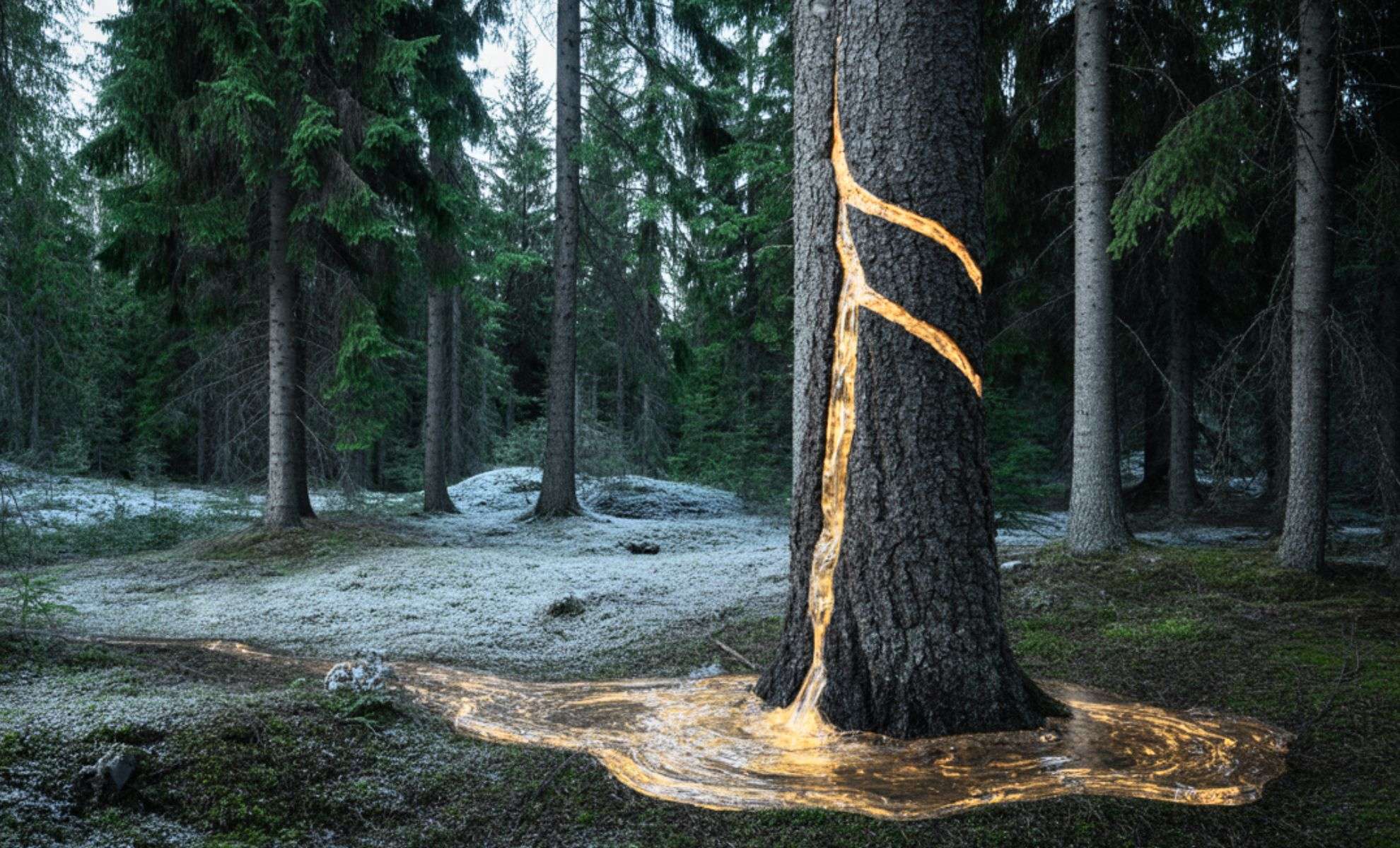
Amid the vast boreal forests of northern Finland, where ancient conifers rise amid snowy terrain, researchers have uncovered a remarkable phenomenon: traces of gold residing not beneath the ground, but within the very tissues of the trees. The needles of the widely prevalent Norway spruce harbor these precious metal particles.
Far from myth or old tales, this breakthrough results from detailed scientific analysis using electron microscopy, X-ray spectroscopy, and advanced DNA sequencing. A team from the University of Oulu together with the Geological Survey of Finland identified gold nanoparticles embedded inside spruce needles. Interestingly, these particles were often found alongside bacterial colonies, implying a microbial involvement in accumulating the metal.
This discovery sheds light on the complex interactions between trees and their microbial partners and presents potential for more environmentally friendly methods of mineral exploration. Using trees and their microbes as natural biosensors could minimize the invasive techniques traditionally used to locate underground mineral deposits.

Microbial Involvement and Mineral Formation
Published in Environmental Microbiome, the study analyzed 138 spruce needle samples collected from 23 trees above a known gold deposit in Finnish Lapland. In approximately 17% of these trees, gold nanoparticles were detected using field-emission scanning electron microscopy combined with energy-dispersive X-ray spectroscopy.
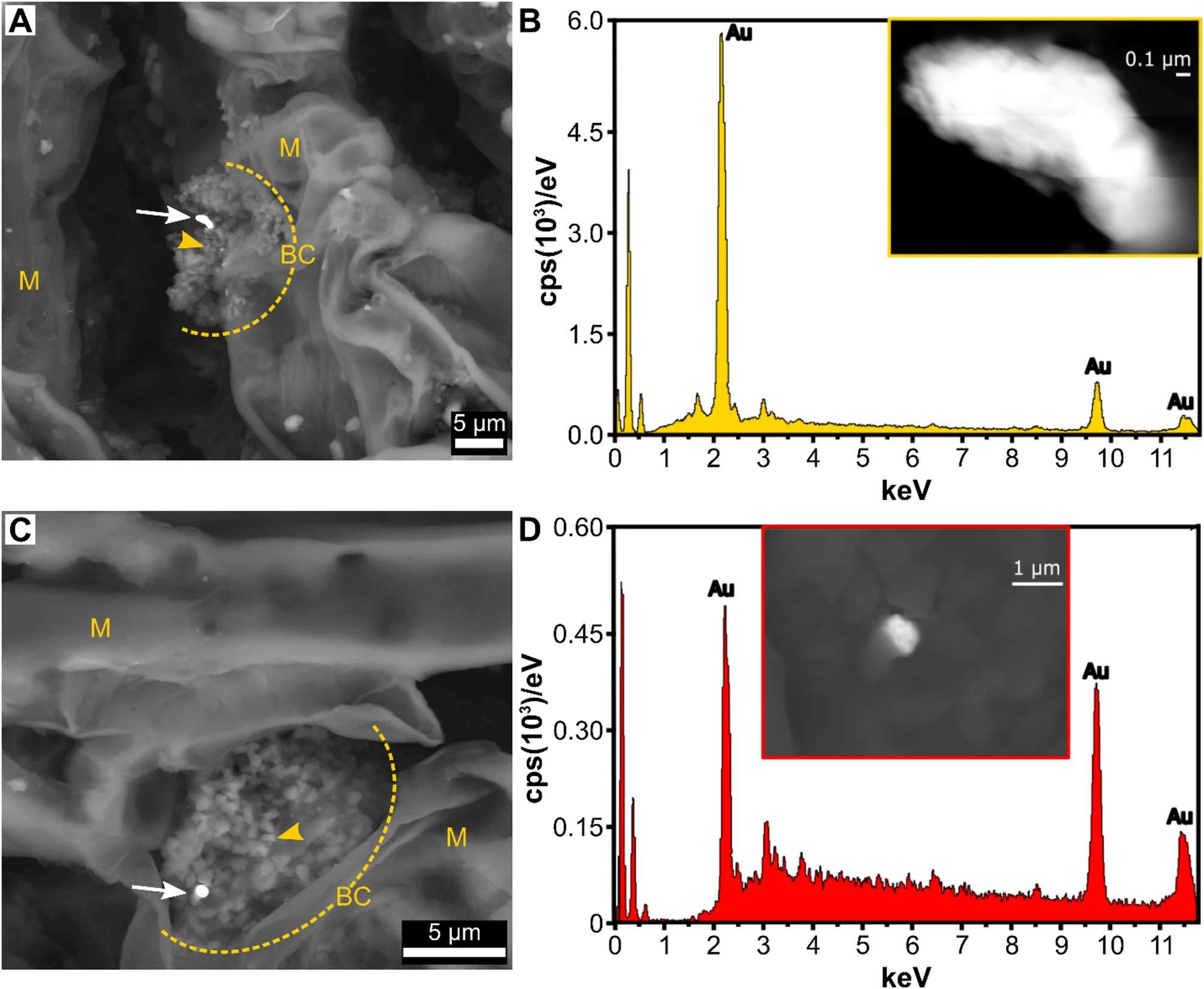
These gold particles were consistently located near biofilms, which are dense bacterial communities residing within plant tissues. Genetic analysis showed that needles containing gold had a distinct microbial signature, including a greater abundance of bacterial genera such as Corynebacterium, Cutibacterium, and an uncommon group named P3OB-42.
While it is known that metal ions can move from mineral-rich soils into plants via groundwater, this research suggests that bacteria inside the needles might facilitate the process of transforming dissolved gold into stable nanoparticles. Lead scientist Dr. Kaisa Lehosmaa from the University of Oulu commented, "Our findings provide preliminary evidence that bacteria inhabiting spruce needles can precipitate gold."
Innovative Approaches to Mineral Detection
For geologists and the mining industry, these insights have the potential to revolutionize exploratory methods, particularly in environmentally sensitive locations. Current biogeochemical surveys, which detect mineral signatures by analyzing soils, plants, or water, can be imprecise.
This study proposes that examining the microbial communities within tree tissues could offer enhanced specificity. By assessing the microbiomes of local vegetation, it might be possible to locate subterranean mineral deposits more accurately and with reduced environmental disruption. The Geological Survey of Finland has long been advancing such eco-conscious geochemical techniques, and integrating microbial data could significantly improve these efforts.
Moreover, these findings bear implications for environmental clean-up. Dr. Lehosmaa’s ongoing research examines how aquatic plants and mosses in mining-impacted waterways could use similar microbial mechanisms to trap harmful metals like arsenic and lead. If microbes assist trees in forming gold particles, they may also play a key role in remediating mining pollution.
Forests as Natural Indicators of Mineral Wealth
Not all spruce needles tested contained gold, and not every tree in the deposit area showed signs of particle accumulation. This variability aligns with factors like differing water sources and microbial communities between trees and even branches. However, when gold was present, it corresponded with reduced bacterial diversity, likely due to the toxic effects of gold ions inhibiting some bacteria while favoring others.
Gold in its ionic, dissolved state is generally harmful to bacteria, yet some bacterial species appear to endure or even convert it into solid, stable nanoparticles through a process called biomineralization. Although this process is well documented in microbes living in mineral-rich environments like soils and hydrothermal vents, its presence within living, healthy plants is a novel discovery.
The trees studied were located near the Tiira deposit, a satellite site of the Kittilä mine—one of Europe’s largest gold mining operations. While Kittilä has been a center for resource extraction and geological research for decades, these quietly growing spruces may provide a greener, more sustainable means to explore the Earth's mineral secrets.
- Categories:
- Science








0 comments
Sign in to Comment