
Recent discoveries are fundamentally altering our comprehension of Earth's internal history, revealing long-concealed mysteries beneath its crust. These findings, contributed by international teams, could revolutionize our knowledge of Earth's geological structure, its hydrological processes, and the natural reserves hidden under the ocean floor.
Unearthing a Vast Subterranean Ocean Inside Earth
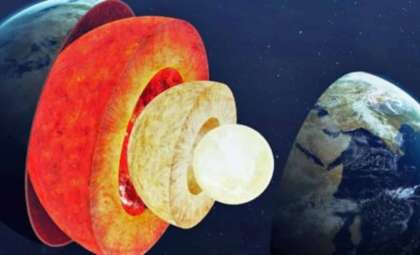
Back in 2009, researchers in Brazil uncovered evidence pointing to an enormous reservoir of water deep inside Earth’s mantle. Situated at depths ranging from 410 to 660 kilometers, they identified a mineral known as ringwoodite harboring water molecules in the form of hydroxyl ions, an unexpected and groundbreaking find. Though ringwoodite had been observed in meteorites before, this marked its first confirmation within the Earth itself.
This revelation has significant implications. Further confirmation in 2022 from a similar sample found in Botswana suggests that the Earth's mantle may contain as much water as all the surface oceans combined. This water, however, isn’t present as liquid or ice but is chemically bound within the ringwoodite mineral, stabilized by the immense pressures at such depths.

For geologists, this challenges existing concepts about Earth's water cycle and its influence on tectonic activity. Physicist Tingting Gu from the Gemological Institute of America posits that this vast underground water source could represent a crucial component of a deep-water cycle essential to Earth's processes. Graham Pearson, who led the original Brazil study, also proposes that this stored water might impact the movement of tectonic plates.
Submerged Island Hiding Valuable Mineral Deposits
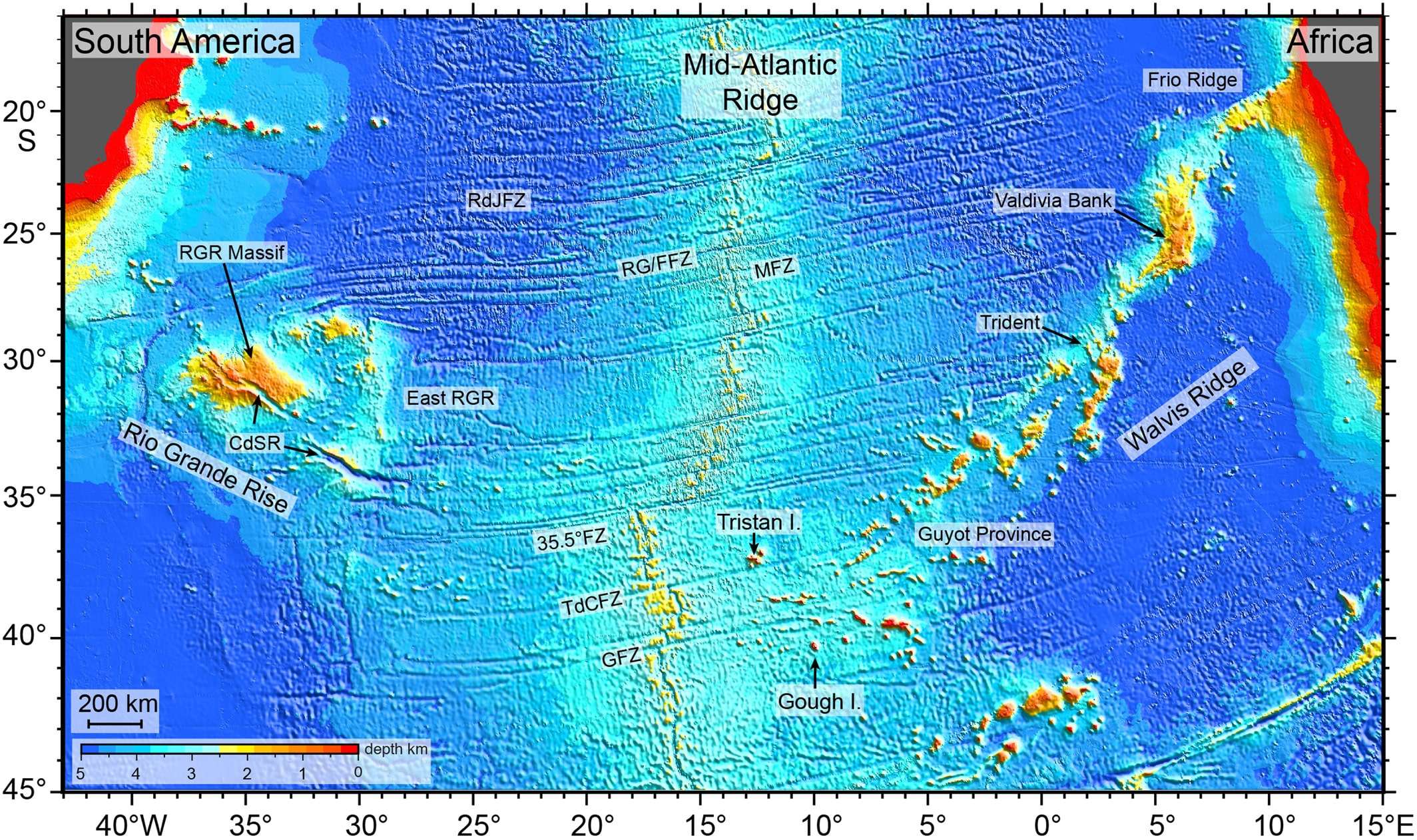
Amid attention on Earth's interior, a surprising discovery beneath the South Atlantic Ocean is generating excitement. Scientists have located a long-forgotten underwater island at the Rio Grande Rise, roughly 1,000 kilometers east of Brazil.
Not just an intriguing geological formation, this sunken landmass may be a treasure trove for rare earth minerals. The find emerged unexpectedly during surveys conducted by teams that included Brazil’s Federal University of Rio de Janeiro.
Originating from volcanic activity during the formation of the South Atlantic Ocean, the island is thought to possess substantial quantities of rare earth elements. These minerals are vital for manufacturing electronics, driving clean energy solutions, and powering electric vehicles. Given China’s dominant role in supplying these resources, this discovery ignites geopolitical interest concerning resource control.
The Rio Grande Rise, composed of Cretaceous period volcanic mountains, now attracts scrutiny from researchers, governments, and industry stakeholders. Far beyond a scientific curiosity, this submerged landform holds resources with significant economic and strategic value.
Complex Tectonic Activity Shapes South Atlantic Features
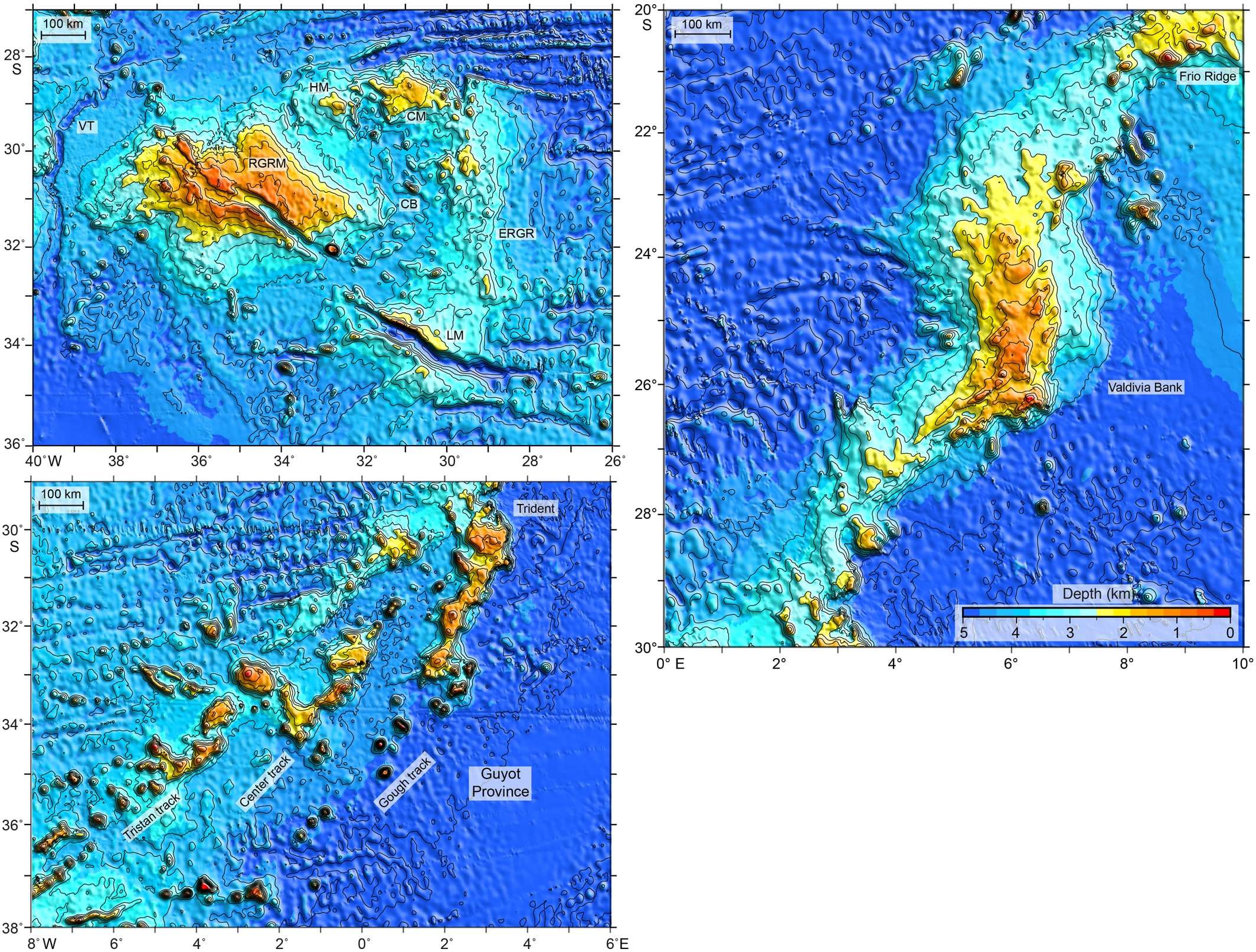
The volcanic origins of the Rio Grande Rise and adjacent Walvis Ridge have long been attributed to a mantle hotspot. However, recent investigations led by William W. Sager at the University of Houston reveal a more nuanced tectonic history.
By analyzing bathymetric, gravity, and seismic datasets, Sager and his colleagues identified a notable tectonic restructuring between 92 and 66 million years ago during the Late Cretaceous. This event altered seafloor spreading directions, giving rise to a microplate situated between the two volcanic provinces. The subsequent development of complex faults and the eventual incorporation of this microplate into the South American plate emphasize a far more intricate geodynamic scenario.
These findings contest earlier, simpler models of hotspot-driven volcanism, proposing that volcanic activity here was influenced by multiple factors, including interactions with the Mid-Atlantic Ridge and shifting tectonic plates. The research points to a more elaborate process behind seafloor spreading in this region and advances our understanding of the South Atlantic's geological evolution.
Additionally, this study sheds light on how the African and South American plates diverged to form the South Atlantic Ocean, highlighting complex changes in spreading ridge configurations over millions of years that shaped the area's tectonic landscape.
- Categories:
- Science








0 comments
Sign in to Comment