
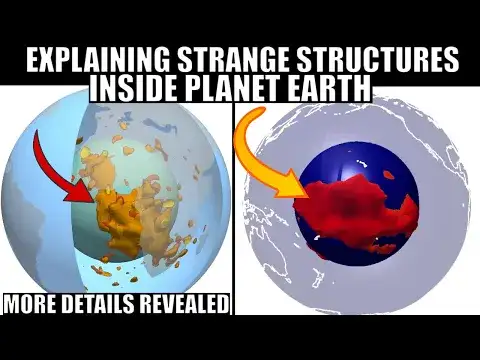
Researchers have recently identified two vast, enigmatic formations buried deep within the Earth’s interior. These immense blobs, situated beneath Africa and the Pacific Ocean, comprise nearly six percent of our planet’s total volume.
Despite their remarkable scale, the composition and origin of these structures remain largely unknown to scientists.
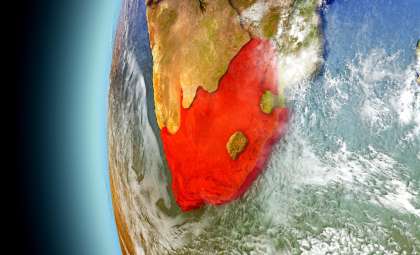
A Puzzling Giant Hidden Under Africa
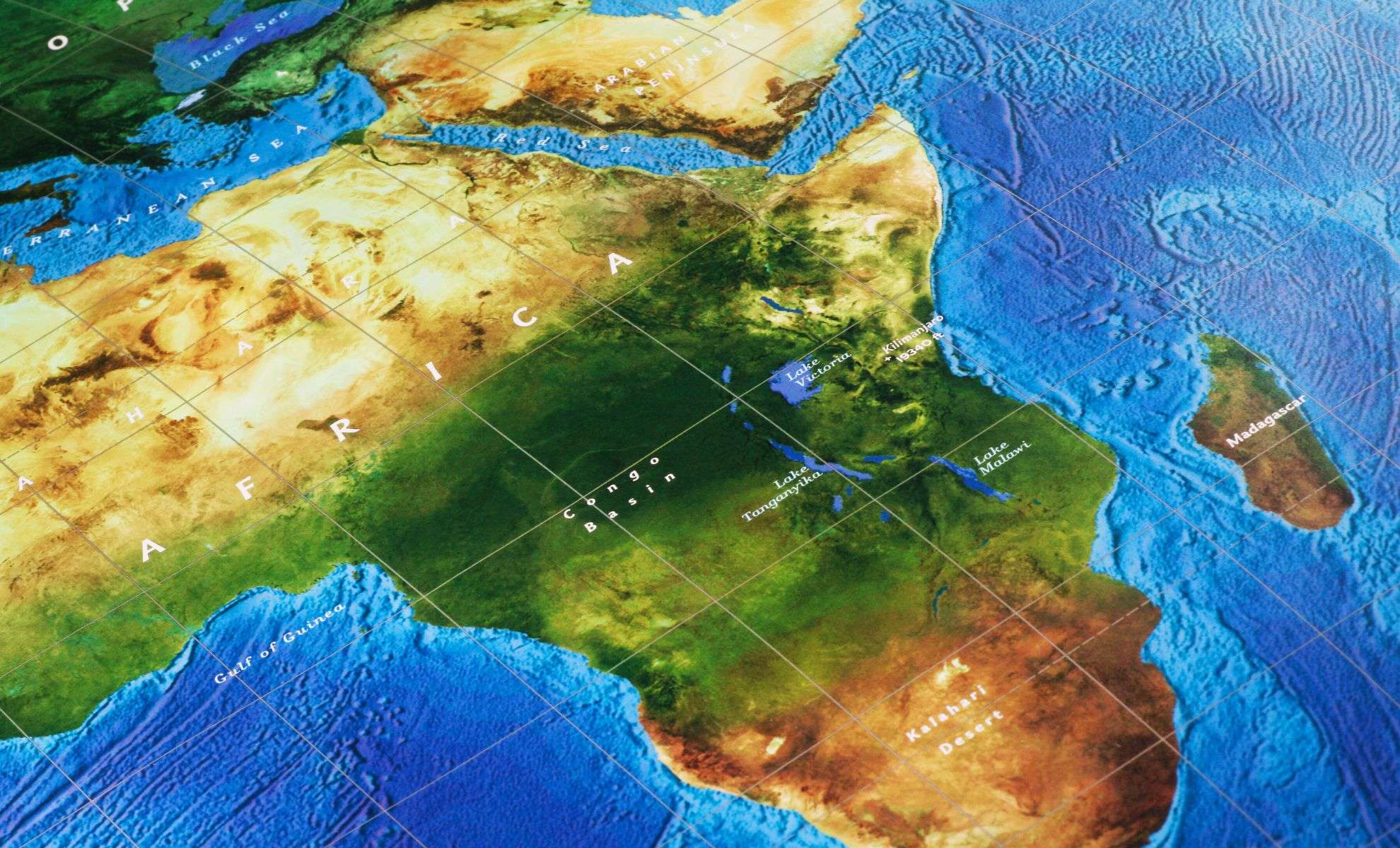
Among these features, one particularly striking structure lies beneath the African continent, in a region called Tuzo. This gigantic formation extends approximately 800 kilometers (497 miles) in height, equivalent to stacking about 90 Mount Everests vertically. This astonishing find sparks new questions about the internal makeup of Earth and the forces that have sculpted it over billions of years.

Scientists have long sought to understand Earth’s core, yet much remains a mystery. Although technology has advanced, direct observation is impossible. The deepest manmade borehole, nicknamed the “entrance to hell,” reaches only around 12,263 meters (40,230 feet), barely scratching Earth’s outer layers.
Detecting the Blobs with Seismic Imaging
To investigate these formations, experts utilize seismic tomography, analyzing how earthquake-generated seismic waves pass through various Earth layers. By measuring changes in wave velocity, researchers infer the properties of the materials they travel through.
These gigantic zones, identified as Large Low Shear Velocity Provinces (LLSVPs), slow down seismic waves compared to surrounding mantle areas. This indicates the blobs consist of material that differs significantly from the normal mantle rock, although the exact substance remains uncertain.
Hypotheses on Their Emergence
Several ideas attempt to explain how these enormous blobs formed. One suggests they are ancient pieces of oceanic crust accumulated over billions of years. Another intriguing proposition links them to a primordial event called the giant impact hypothesis.
This theory posits that about 4.5 billion years ago, a Mars-sized body named Theia collided with the early Earth. This impact not only led to the formation of the Moon, but may also have contributed to creating one or both of these LLSVPs. Some scientists hypothesize that remnants of Theia sank deep into the mantle, eventually forming the blobs detected today.
Despite the appeal of the giant impact idea, the full story behind these formations remains a mystery. For now, these colossal features continue to challenge our understanding of Earth’s interior.
Exploring Earth’s Ancient Past
Investigations into these structures are shedding light on Earth’s formative history. Studying the LLSVPs may reveal how the Theia collision influenced the evolution of Earth’s mantle and tectonic plates, key drivers of the planet’s dynamic surface.
While the mysteries of these giant blobs are far from solved, ongoing research is gradually piecing together critical clues about our planet’s origin. Future discoveries might finally uncover the secrets lying deep beneath our feet.
- Categories:
- News




0 comments
Sign in to Comment