
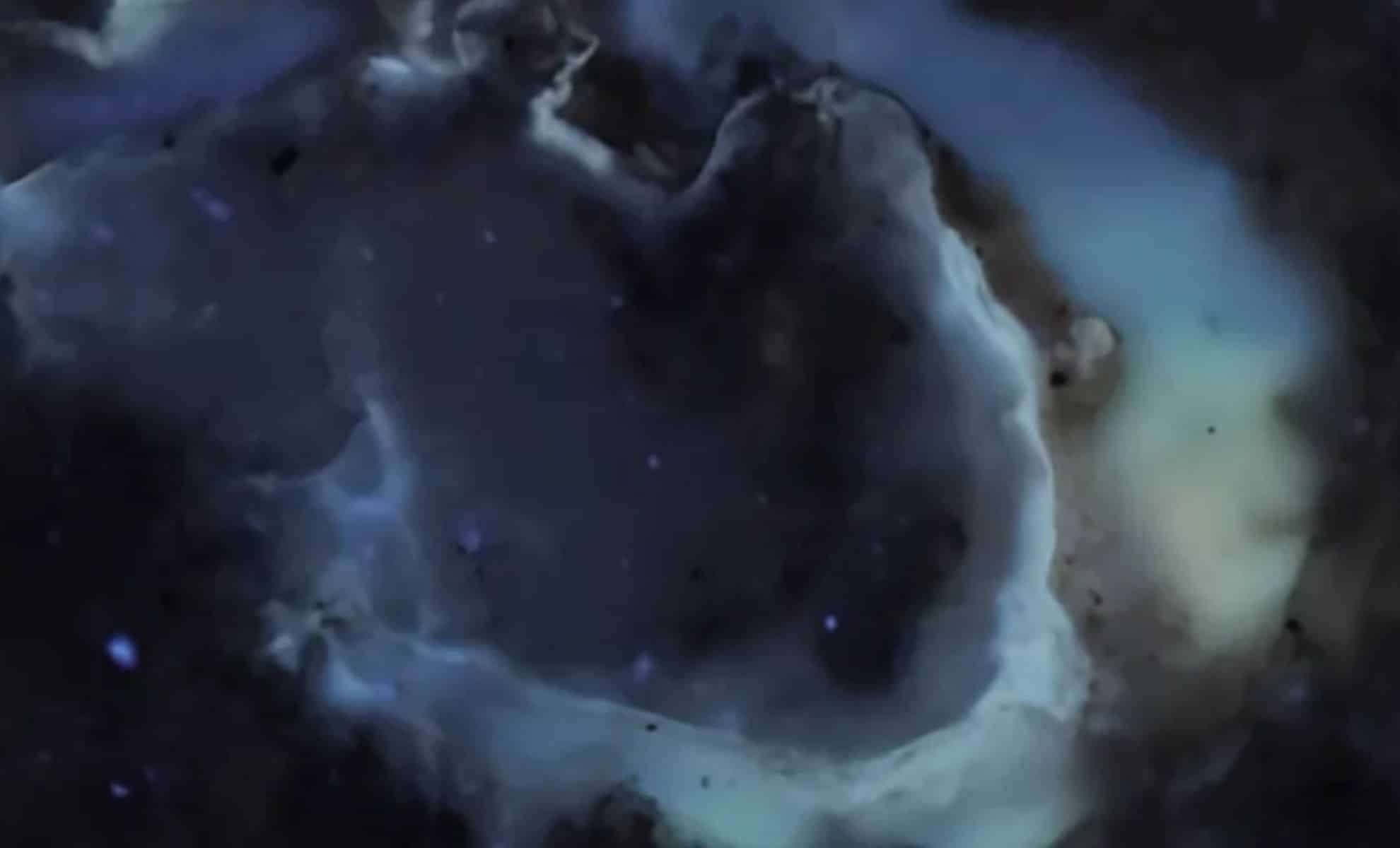
In the harsh desert regions of Namibia, Oman, and Saudi Arabia, scientists have made an unexpected finding: slender, well-organized tubular formations embedded in marble and limestone layers. These unique features perplex researchers because they don’t align with any recognized geological phenomena. Could these tubes be evidence of an unknown microbial entity?
A Remarkable Encounter Beneath the Sands
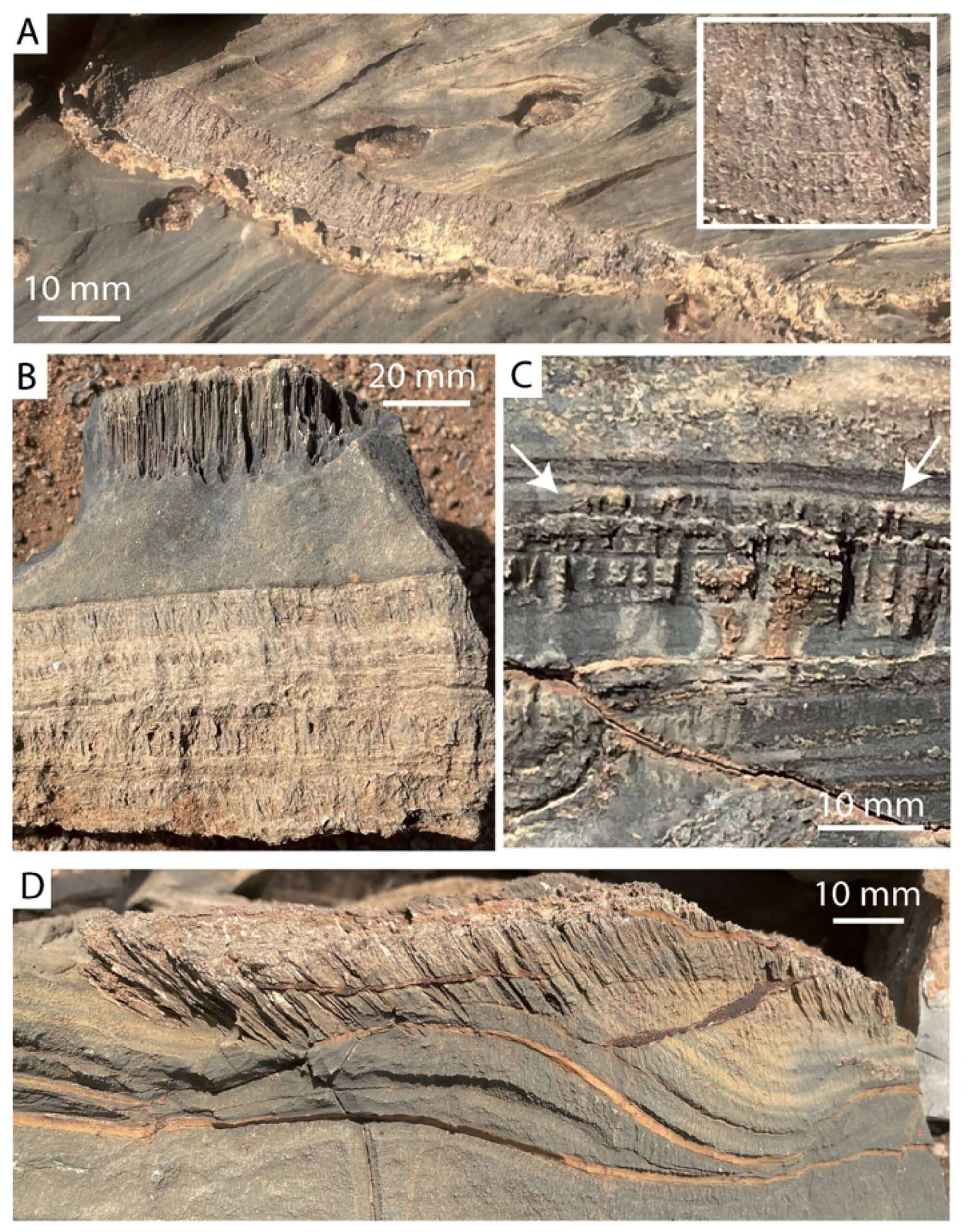
The unusual structures came to light as natural erosion revealed fossilized burrows in the limestone and marble terrain. Geologist Professor Cees Passchier, affiliated with Johannes Gutenberg University Mainz, was the first to identify these distinctive formations. What stunned the team was that these tubes defied explanations rooted in typical geological processes.
Passchier commented, “Our surprise stemmed from the fact that these tubes don’t correspond to any known rock-forming mechanisms.” Further analysis of the material inside the tubes uncovered biological remnants, prompting the hypothesis that an unidentified microbial lifeform might have been responsible.

Decoding the Microbial Enigma
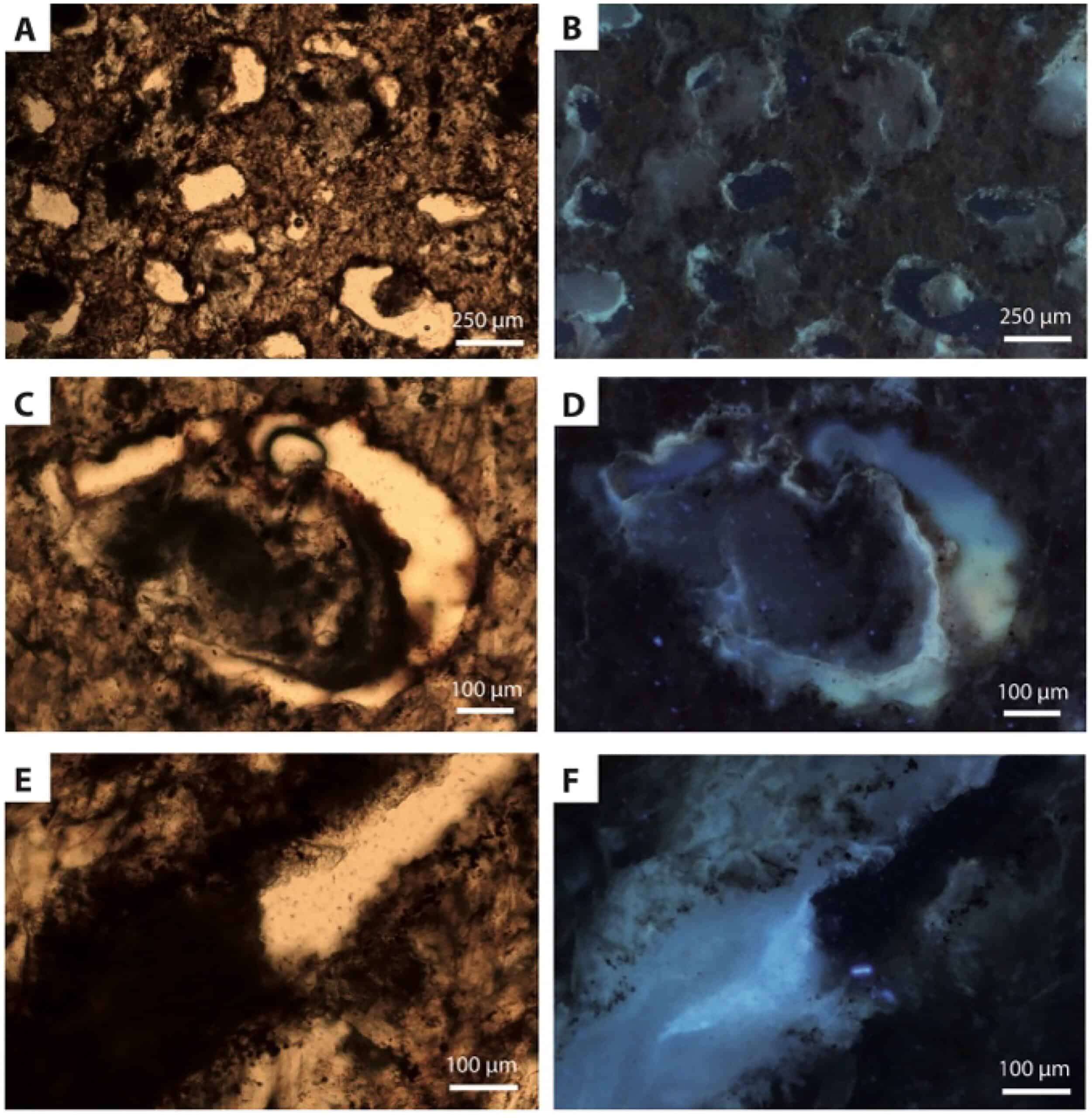
The foremost puzzle now centers on the nature of the microorganism that crafted these burrows. The extreme desert conditions in these locations typically limit life, though extremophile species—microbes adapted to survive severe environments—are known to inhabit such places. Familiar extremophiles, including bacteria, fungi, and lichens, sometimes endure by living inside rocks, a phenomenon termed endolithism.
Professor Passchier’s team initially hypothesized that one of these microbial groups might be responsible. Yet, their data quickly excluded certain candidates. Cyanobacteria, requiring sunlight for photosynthesis, were unlikely contributors since the tubes were embedded deep within lightless rock layers.
Fungi were also ruled out because their biochemical signatures were missing. Moreover, the tubes exhibited a degree of uniformity—symmetrical spacing and width—that fungi typically do not produce, indicating a different origin entirely.
Could These Be Relics of Ancient Life?
Further chemical analysis of the host rocks lent stronger support to the idea of a biological creator. Dr. Passchier stressed, “No known chemical or physical weathering processes can account for these structures,” underscoring the biological hypothesis. The presence of micro-burrows carved within solid rock strongly points toward living activity rather than natural geological forces.
When the findings appeared in the Geomicrobiology Journal, researchers proposed that these microbes may have thrived during ancient wetter climates when water was more abundant. Given today’s arid conditions, it remains uncertain if any of these organisms persist or if they vanished millions of years ago.
- Categories:
- News






0 comments
Sign in to Comment