
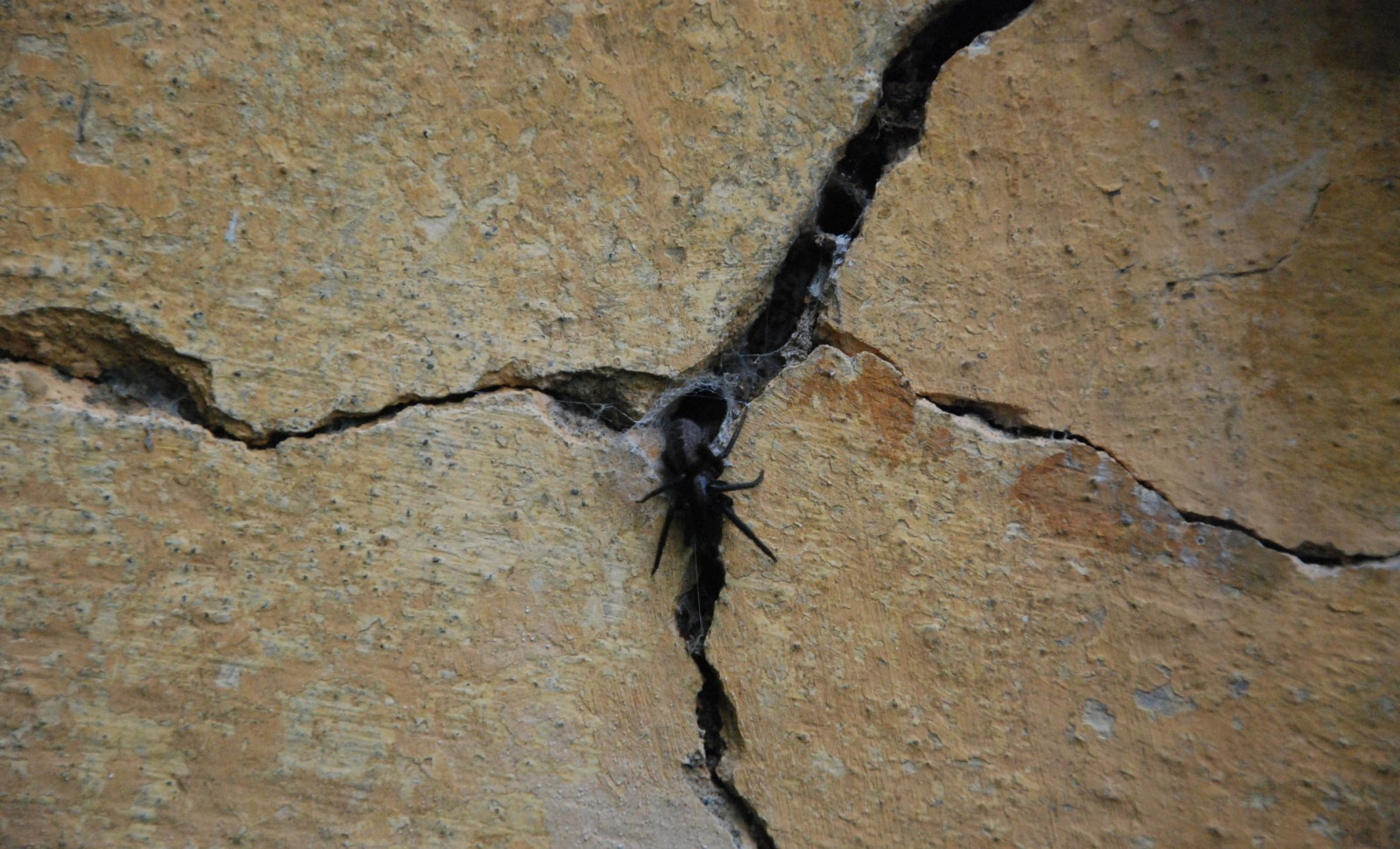
A newly recognized spider species, Pikelinia floydmuraria, fascinates researchers with its ability to hunt prey significantly larger than its own minute size of just a few millimeters. This elusive arachnid commonly dwells within wall crevices, preying on insects found in urban environments, sometimes capturing victims up to six times its own mass.
Identified by a team of scientists from various South American institutions, this spider enriches the sparse understanding surrounding the Pikelinia genus. Its name creatively honors both the iconic rock band Pink Floyd and its characteristic wall-dwelling lifestyle, linking its identity directly to its habitat.
Feeding on common urban pests such as mosquitoes and flies, this spider potentially plays a helpful role in controlling insect populations humans often contend with, despite usually going unnoticed.

Deriving a Name from Walls and Music
The designation Pikelinia floydmuraria fuses scientific notation with cultural homage. The word “muraria,” rooted in Latin, references the spider’s affinity for residing in walls, while “floyd” pays tribute to Pink Floyd, the legendary British rock band famed for their album The Wall, subtly mirroring the spider’s ecological niche.
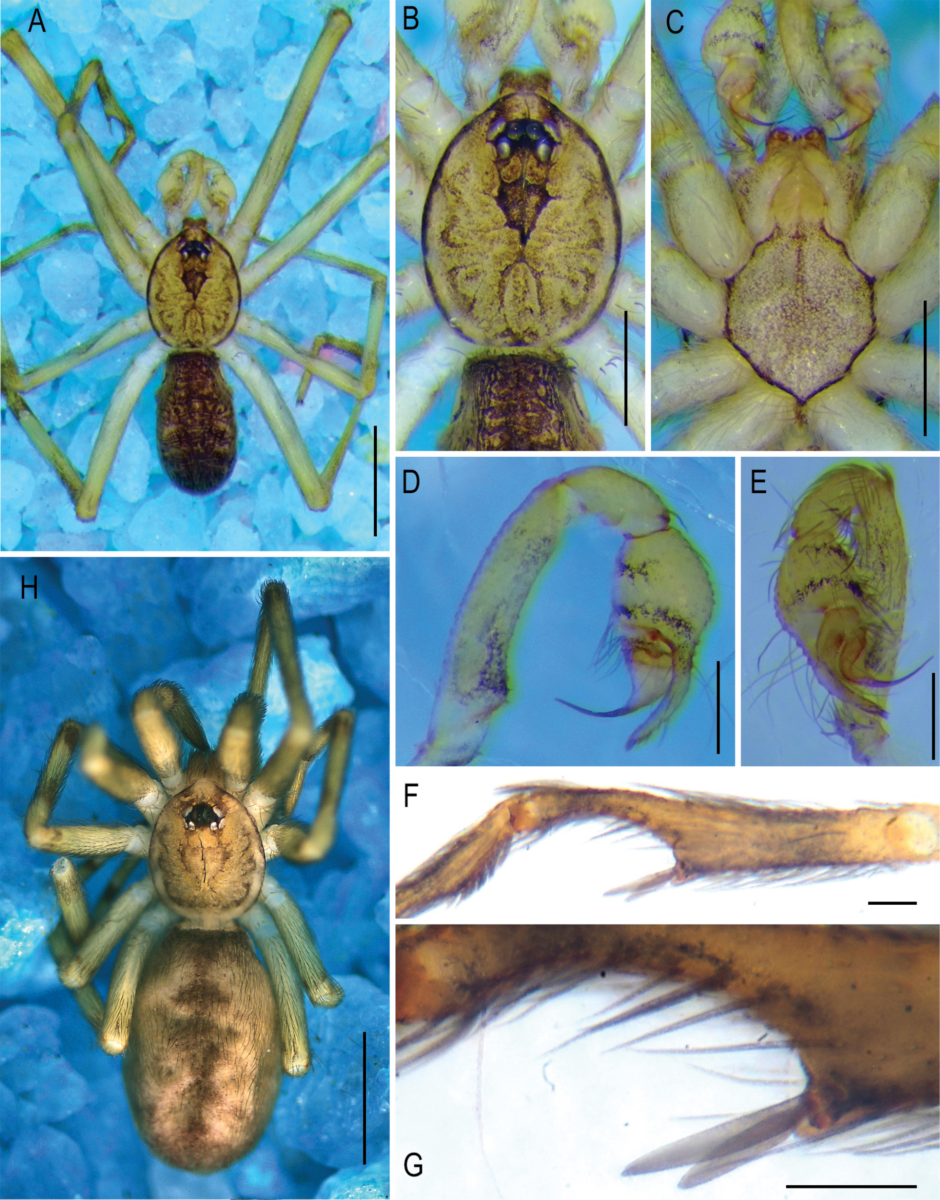
The study, reported in the journal Zoosystematics and Evolution, revealed the species through careful examination of urban-collected specimens.
“Despite recent taxonomic advances, the ecology and biology of this group remain poorly understood. A study conducted in southern Brazil provided some preliminary insights into the ecology and phenology of one species; however, much remains to be explored,” said the authors.
An Unexpectedly Skilled Predator
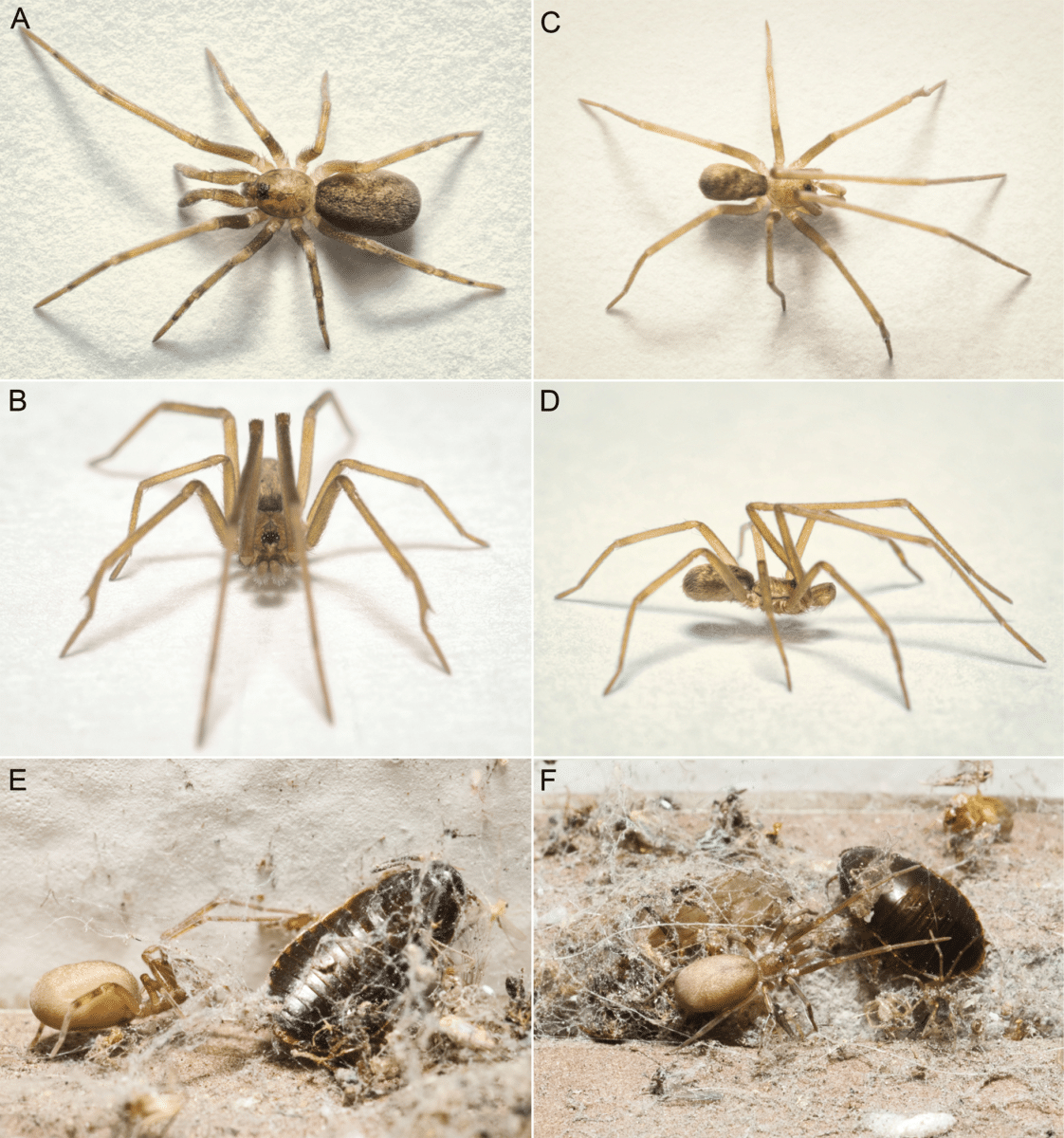
Measuring only about 3 to 4 millimeters, Pikelinia floydmuraria exhibits remarkable predatory skills. Observers documented it successfully capturing ants considerably larger — sometimes up to six times heavier — than itself, a rare feat among such diminutive spiders.
This spider’s diet spans a variety of insect groups, including Hymenoptera (ants), Diptera (flies and mosquitoes), and Coleoptera (beetles). Similar feeding patterns were recorded in related populations from Armenia, Colombia, hinting that this predatory behavior might be widespread within the genus.
Why Does It Hunt Close to Lights?
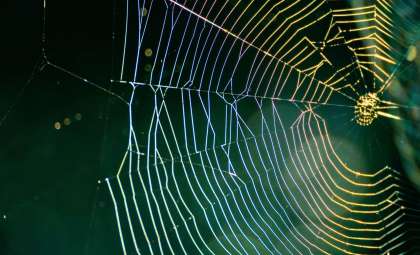
A distinctive behavior of this spider is its preference for locating webs near man-made lighting sources, areas that attract insects like houseflies and mosquitoes. This positioning gives it an abundant and accessible prey supply with minimal effort.
Researchers note that the spider leverages insects’ natural attraction to light, making its hunting strategy particularly effective. The study also compared this species with Pikelinia fasciata from the Galápagos Islands, documenting detailed female anatomy for the first time.
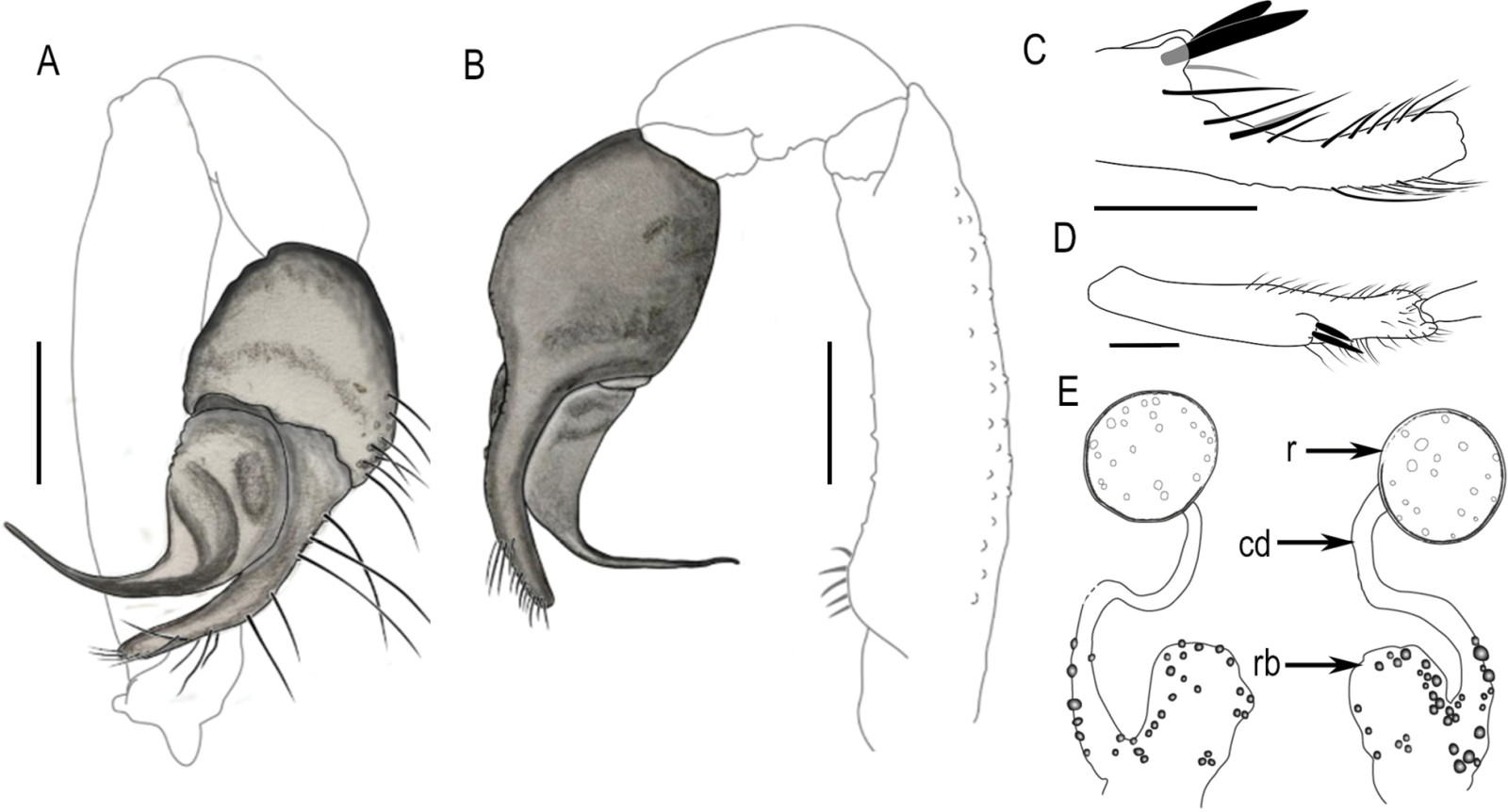
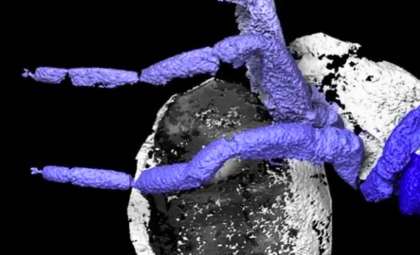
The study highlights strong anatomical similarities, especially in male reproductive structures, between P. floydmuraria and P. fasciata. Researchers are investigating whether these resemblances result from a common ancestor or convergent evolution due to similar environmental conditions, pending further genetic research.
- Categories:
- News











0 comments
Sign in to Comment