
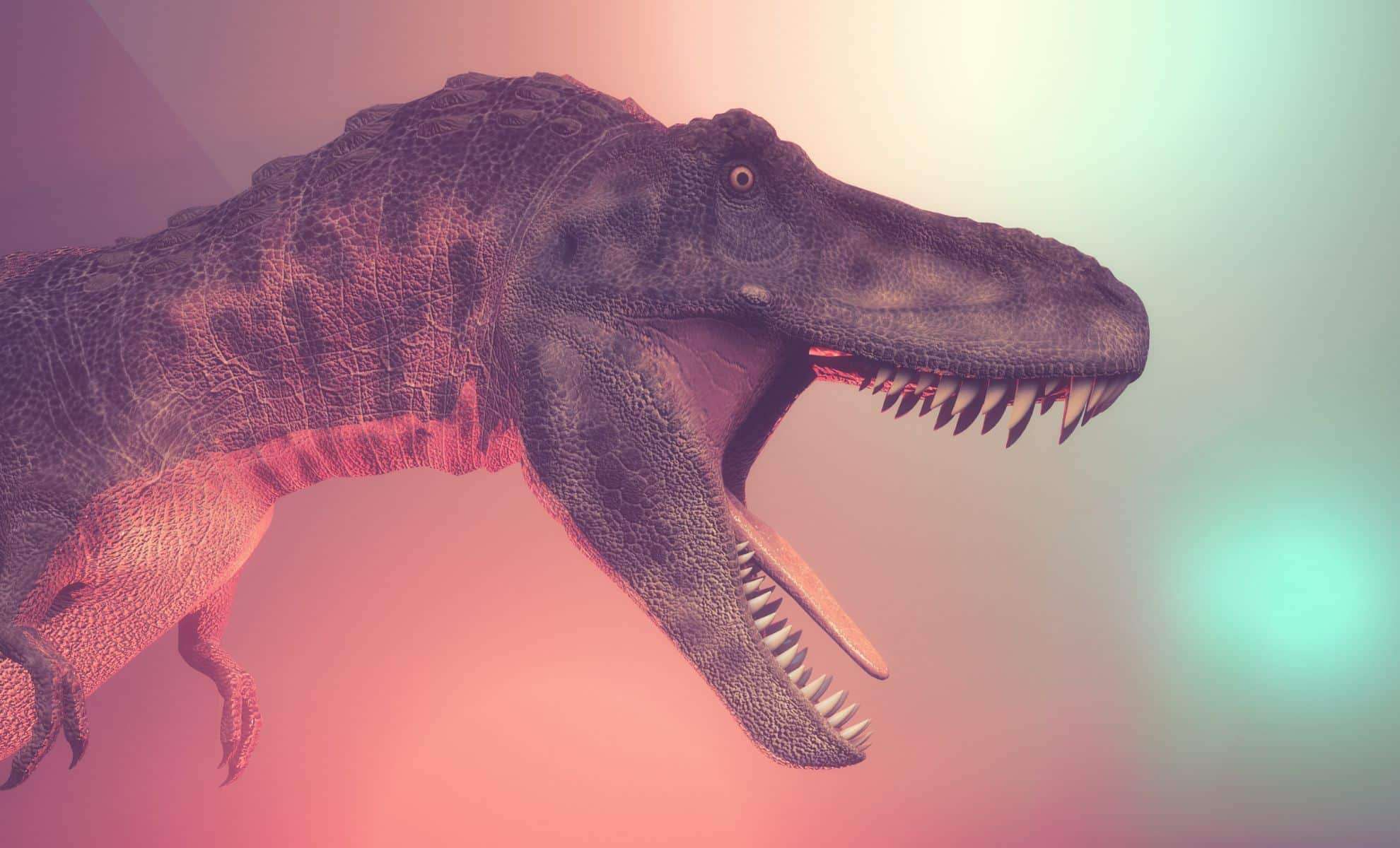
For years, the auditory world of dinosaurs has fascinated both researchers and enthusiasts alike. The iconic roar of the T. rex, popularized by films like Jurassic Park, has strongly influenced our perception of these ancient creatures. Yet, in reality, the authentic sounds dinosaurs made remain unknown. Without preserved vocal cords, their true voices are a scientific enigma—one that Courtney Brown, a professor at Southern Methodist University, is tackling through a unique blend of science and artistry.
A Sonic Exploration Rooted in Duck-Billed Dinosaurs
Brown’s innovative project, Dinosaur Choir, merges paleontology, musical creativity, and digital innovation to simulate potential dinosaur vocalizations. Utilizing CT scans to reconstruct hadrosaur skull anatomy, her work draws inspiration from anatomical findings featured in Communications Biology, which revealed a fossilized bird-like larynx. This scientific evidence guides the creation of instruments that are based on real fossilized structures, transcending mere fictional imagination.
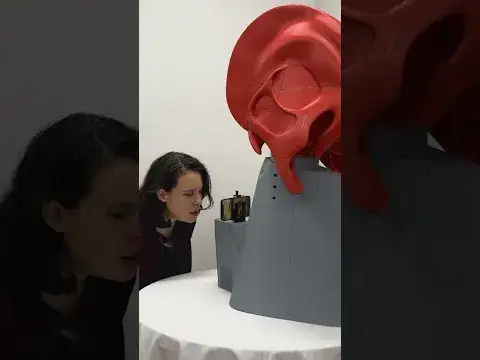
As reported by The Dallas Morning News, the inspiration struck in 2011 when Brown, a sound artist and computer engineer, experienced a simulated Parasaurolophus call during a museum visit in New Mexico. Motivated by that encounter, she crafted instruments modeled on Corythosaurus skulls using 3D printing from CT data, incorporating a mechanical larynx. Played much like a brass instrument, it produces eerie, captivating tones. “Blowing into the dinosaur lets you connect deeply with it,” Brown explained.

Fusing Ancient Anatomy with Cutting-Edge Technology
The initial Dinosaur Choir prototype emerged in 2013 after extensive experimentation. Brown selected materials that simulated airflow through dinosaur nasal cavities, capturing a distinct prehistoric sound quality. By 2015, an enhanced design improved sound clarity and earned her an honorable mention at a European sound art contest.
A major breakthrough came in 2021 when Brown received a Fulbright scholarship to collaborate with designer Cezary Gajewski at the University of Alberta. They reimagined the instrument’s playability to avoid requiring direct breath input—an especially useful adaptation during the pandemic. Instead, breath and vocal vibrations are sensed and converted into electrical signals that activate a digital voice box, which then generates sounds through a 3D-printed dinosaur skull.
Additionally, a camera tracks jaw movements to dynamically modulate the sounds. The system’s modular architecture supports interchangeable sound models, including one modeled after the syrinx—the avian vocal organ.
Ancient Tones Resonate in Contemporary Spaces
The Dinosaur Choir project has attracted global interest in recent years. In March, Brown competed in a musical innovation contest in Georgia, securing third place. Later, the instrument was exhibited at an Australian conference, captivating audiences with its distinct sound and design.
Brown has performed live, including a comedic duet titled How to Speak Dinosaur Courtship, featuring the dinosaur instrument alongside a tuba. More recently, she joined forces with a saxophonist from the Dallas Winds to explore how prehistoric sounds can harmonize with contemporary musical instruments.
Looking forward, Brown aims to reconstruct the vocalizations of a nodosaur, a heavily armored herbivore from over 100 million years ago, known for its uniquely curved nasal passages. An open-source CT-scanned fossil discovered in Tarrant County offers a promising foundation for this next endeavor.
- Categories:
- News











0 comments
Sign in to Comment