
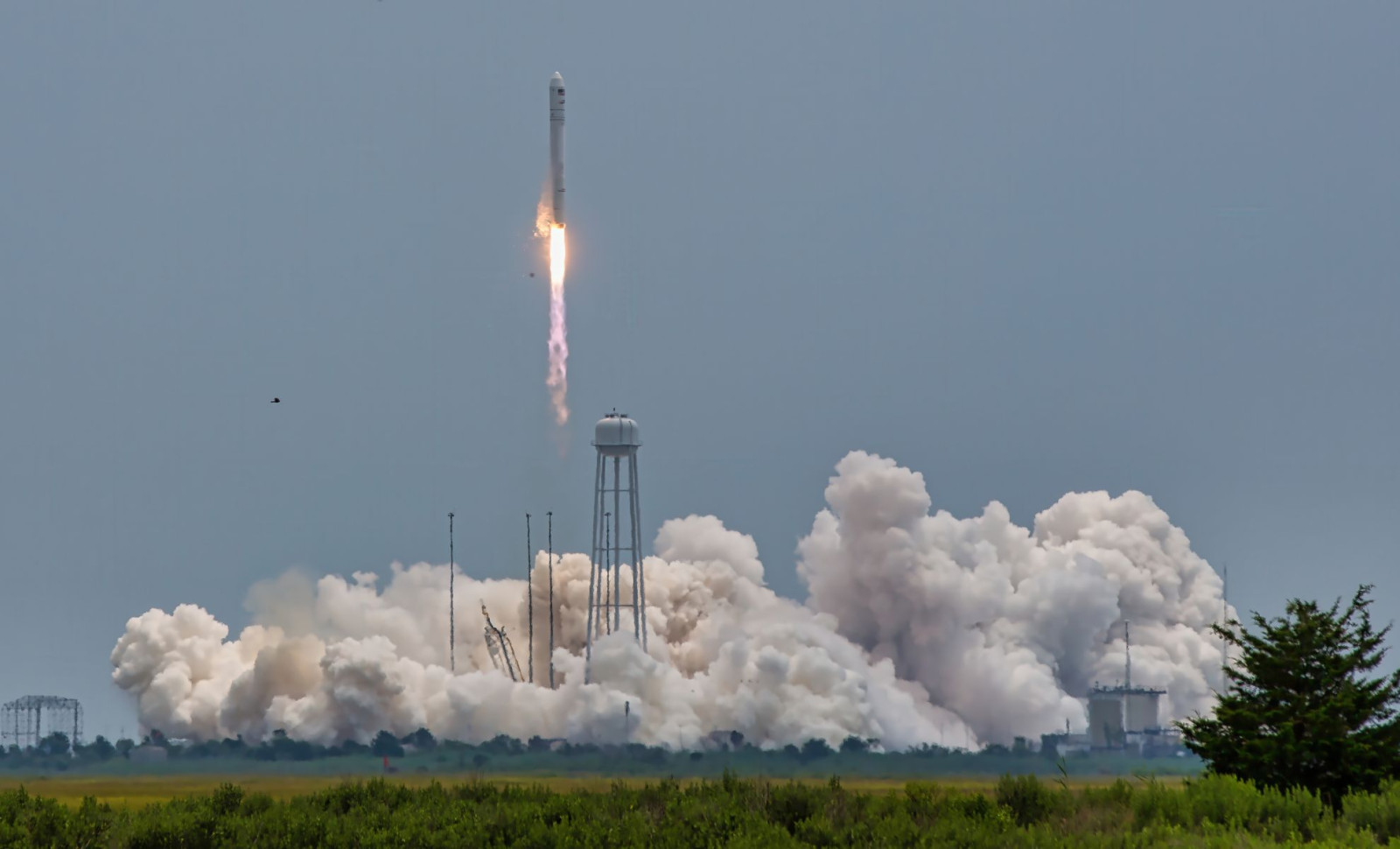
SpaceX has successfully completed its ninth launch of 2026 from Vandenberg Space Force Base in California, sending 25 new satellites into orbit for its expanding Starlink internet constellation. The Falcon 9 rocket illuminated the night sky, further increasing the collection to over 9,500 active satellites, as reported by Space.com. The rocket’s first stage, flying for the 13th time, landed safely on the drone ship Of Course I Still Love You stationed in the Pacific Ocean.
The launch took place just before 10 p.m. local time on January 21, marking SpaceX’s continued rapid pace in deploying Starlink satellites. Confirmation of the satellite deployment came about an hour later, following a smooth takeoff from Launch Complex 4 East.
This recent mission, called Group 17-30, highlights SpaceX’s consistent expansion of its global broadband network. It aids efforts to bridge the connectivity gap in remote areas and enhances both airborne and emergency communications, solidifying the company's leadership in space technology and telecommunications.

Evening Launch Creates Spectacular Sky Display
The Falcon 9 rocket lifted off at 12:47 a.m. EST on January 22 (9:47 p.m. PST on January 21), deploying a fresh fleet of Starlink satellites above the Pacific coastline. Space.com reports that the upper stage reached orbit roughly nine minutes after liftoff and released its payload as planned. The nighttime launch generated a luminous trail visible across a wide area, captivating observers miles away.
This launch represented SpaceX’s 592nd mission since 2010, underscoring its dominance in commercial spaceflight. The Falcon 9’s booster, serial number B1093, now boasts 13 flights, reflecting SpaceX’s successful strategy of refurbishing rockets to decrease costs and increase launch frequency.
Starlink Configuration Expands Rapidly
The newly added satellites bring the Starlink constellation to more than 9,500 operational units orbiting the Earth, according to sources. Designated as Group 17-30, this batch aims to improve overall network performance and extend broadband service to underserved areas. Starlink is crucial in delivering internet where traditional infrastructure is unavailable, also offering connectivity for aircraft and emergency teams in isolated locations.
Starlink by SpaceX supports various user groups, including commercial airlines seeking reliable inflight internet and telecom operators exploring direct satellite-to-cell links essential for emergency communication. Continuously deploying satellites reduces coverage gaps and enhances the constellation’s robustness.
Rocket Reuse Drives Cost Efficiency and Speed
The first stage booster B1093 completed a precise touchdown on the autonomous drone ship Of Course I Still Love You in the Pacific Ocean. Achieving 13 flights on a single booster exemplifies SpaceX’s commitment to rocket reusability, enabling faster turnaround times and substantial savings.
This methodology defines SpaceX’s approach, with reusable boosters playing a pivotal role in maintaining their frequent Starlink deployment tempo. As Space.com mentions, this was already the team’s ninth launch of the year.
- Categories:
- Space










0 comments
Sign in to Comment