
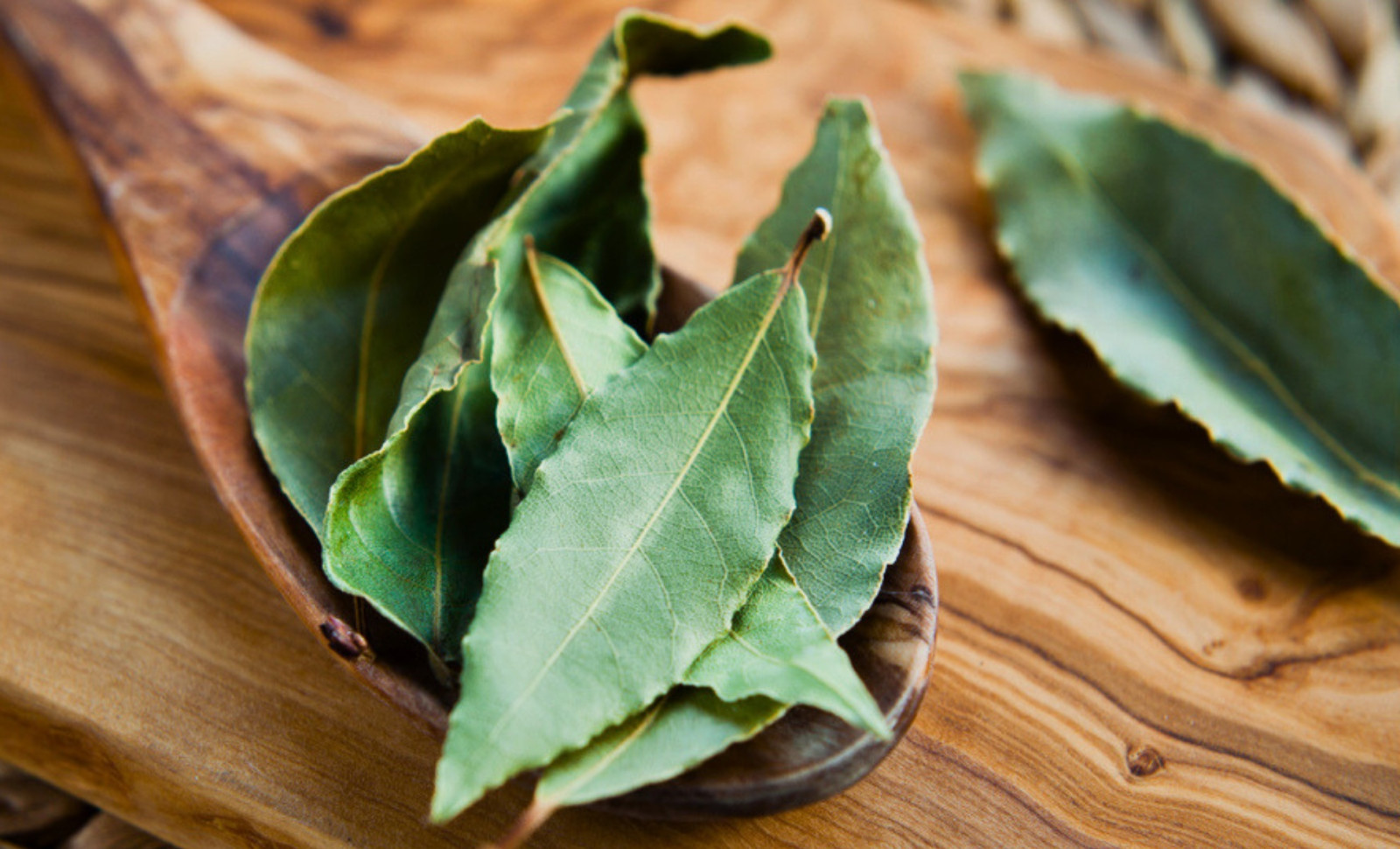
A simple mix of dried bay leaves and a few spoonfuls of baking soda has become an increasingly popular solution for eliminating household odors. Low-cost and free from artificial fragrances, this easy remedy is fast becoming a staple for refreshing confined spaces like kitchens and closets.
The process couldn’t be simpler. Place a small container filled with baking soda and a handful of dried bay leaves inside your refrigerator, drawer, or pantry, and the duo works to absorb unwanted odors while imparting a subtle, herbal fragrance. Its success stems not from formal studies but from countless users who try it once and continue to rely on it.
Baking soda primarily handles the odor removal by reacting chemically with acidic and alkaline substances that cause many smells, effectively capturing and neutralizing them. In enclosed spaces like refrigerators, this limits the buildup of volatile compounds that often cling to plastic surfaces and resurface when opened.

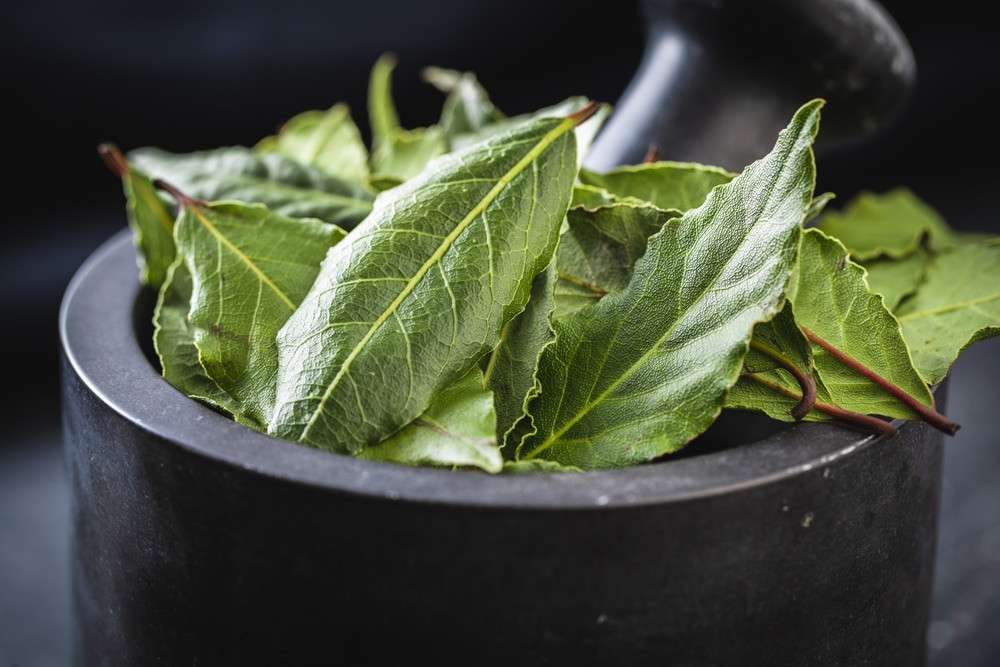
Bay leaves offer additional benefits. Originating from the Mediterranean bay laurel tree, these leaves contain eugenol, a substance recognized for its antimicrobial and antifungal abilities. While baking soda targets the chemical causes of odors, bay leaves emit a warm scent reminiscent of clove, thyme, and oregano. Together, they effectively eliminate unpleasant smells and leave behind a pleasantly fresh aroma that many commercial sprays fail to deliver.
Tom’s Guide consulted Vittoria Wellen‑Bombelli, a fragrance specialist at Pavers, who explained the appeal: “Baking soda is a natural deodorizer that can absorb odors and bacteria,” she said. “It's no surprise that many TikTok users have adopted this method to freshen up footwear.” This practical approach is valued not for novelty, but for its affordability, simplicity, and dependability.
Crafting Your Own Freshness Blend
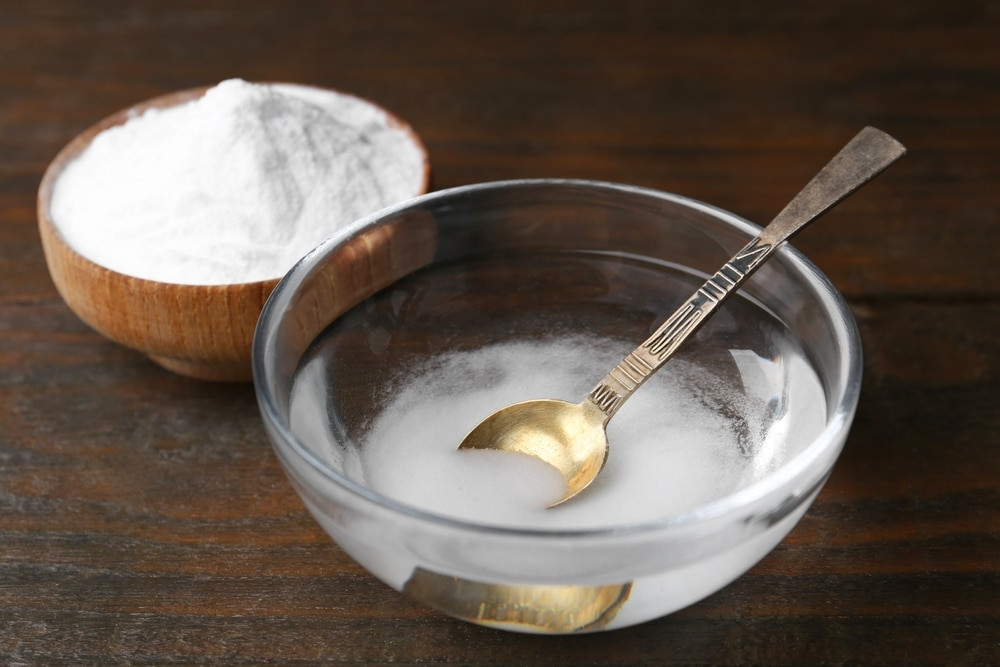
Preparing this deodorizing mix requires minimal effort. Take five dried bay leaves, crush or finely chop them, and blend with two teaspoons of baking soda. It's important that the leaves are completely dried, as any lingering moisture may promote mold growth when stored. A teaspoon of this blend placed inside a small fabric pouch can easily be tucked into drawers, closets, or refrigerator shelves to keep odors at bay.
This mixture is versatile beyond deodorizing. According to Tasting Table, powdered bay leaves mixed with baking soda create a gentle yet effective cleaning paste for surfaces like tile and countertops. For carpets, sprinkling a combination of crushed bay leaves, baking soda, and a few drops of essential oil before vacuuming helps lift embedded smells and refresh the fibers.
For an aromatic liquid option, you can create a DIY room spray using these ingredients. Tom’s Guide describes simmering four to six whole bay leaves in water, then combining the strained, cooled infusion with two tablespoons of baking soda in a spray bottle. This mist can neutralize airborne odors while dispersing the warm, herbal scent from the bay leaves.
Limitations of the Bay Leaf and Baking Soda Remedy
This blend is effective for routine odor control but should not be considered a solution for serious problems. Environments plagued by mold from leaks or persistent dampness cannot be resolved by this method. It works best in contained areas where everyday odors accumulate and ventilation is limited. When structural moisture or heavy dirt is present, professional remediation is necessary.
Some users also report placing the mixture in pantry corners to help repel insects. The eugenol in bay leaves is known to possess antimicrobial traits, and their traditional use as pest deterrents dates back long before this specific combination. However, scientific research has yet to confirm the effectiveness of this blend for insect control, so this remains a secondary, anecdotal advantage rather than a proven benefit.
- Categories:
- News













0 comments
Sign in to Comment