
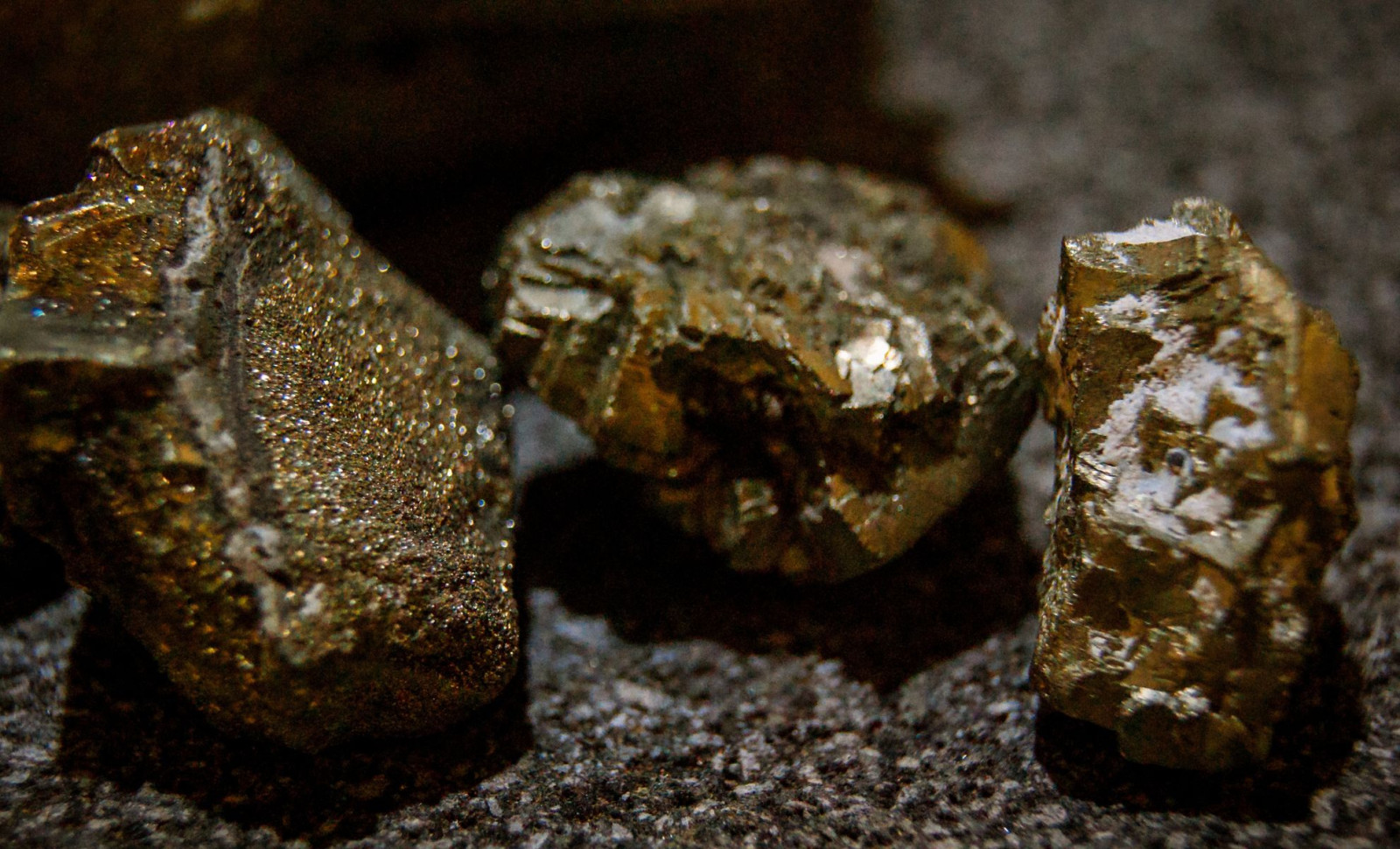
A mineral often overlooked as worthless might actually harbor a valuable resource. Researchers have identified lithium within pyrite, a finding that could reshape our approach to future energy materials. Lithium is crucial for today's technology, powering devices like smartphones, laptops, and electric vehicles, thanks to its exceptional energy storage capabilities, which are key to sustainable energy solutions.
Demand for lithium is soaring, yet most extraction still relies on pegmatites and volcanic clay deposits, with expanding production presenting environmental challenges. This has spurred scientists to investigate alternative, less conventional sources.
Unexpected Lithium Presence Discovered
Scientists from West Virginia University examined shale rock formations from the middle-Devonian era in the Appalachian basin, dating back approximately 380 million years. During analysis of 15 rock samples, they unexpectedly detected lithium integrated within pyrite, commonly known as “fool’s gold.”

“The mineral pyrite was historically nicknamed fool’s gold because of its deceptive resemblance to the precious metal. The term was often used during the California gold rush in the 1840s because inexperienced prospectors would claim discoveries of gold, but in reality it would be pyrite, composed of worthless iron disulfide,” as cited by The Conversation.
Shailee Bhattacharya, a contributor to the research, described this mineral pairing as “unprecedented,” noting how rare it is to find lithium in sulfur-rich minerals like pyrite. The study source emphasizes that such associations have seldom been recorded before.
The Vital Role of Lithium in Energy Evolution
Lithium is prized for its unique chemical traits—it is highly reactive and transitions easily between states, enabling effective energy storage. These properties make lithium-ion batteries integral to electric vehicles and renewable energy storage.
As demand escalates, researchers are also examining unconventional sources like mine tailings and drill cuttings, which may still contain recoverable lithium. Utilizing these industrial byproducts could reduce the need for new mining initiatives, thereby mitigating environmental harm.
Questions and Further Investigation Ahead
This breakthrough prompts a key inquiry: what mechanisms enable lithium to integrate with pyrite? The scientific community has yet to thoroughly explore this connection, leaving many unknowns about the underlying chemistry and environmental influences.
Bhattacharya cautions that the finding is based on a “well-specific study,” meaning the data were obtained from a limited set of samples in a single location. It remains uncertain whether pyrite in other areas contains similar lithium levels. This discovery marks an initial step, and continued study is necessary to determine whether such lithium occurrences are widespread or rare.
- Categories:
- News










0 comments
Sign in to Comment