
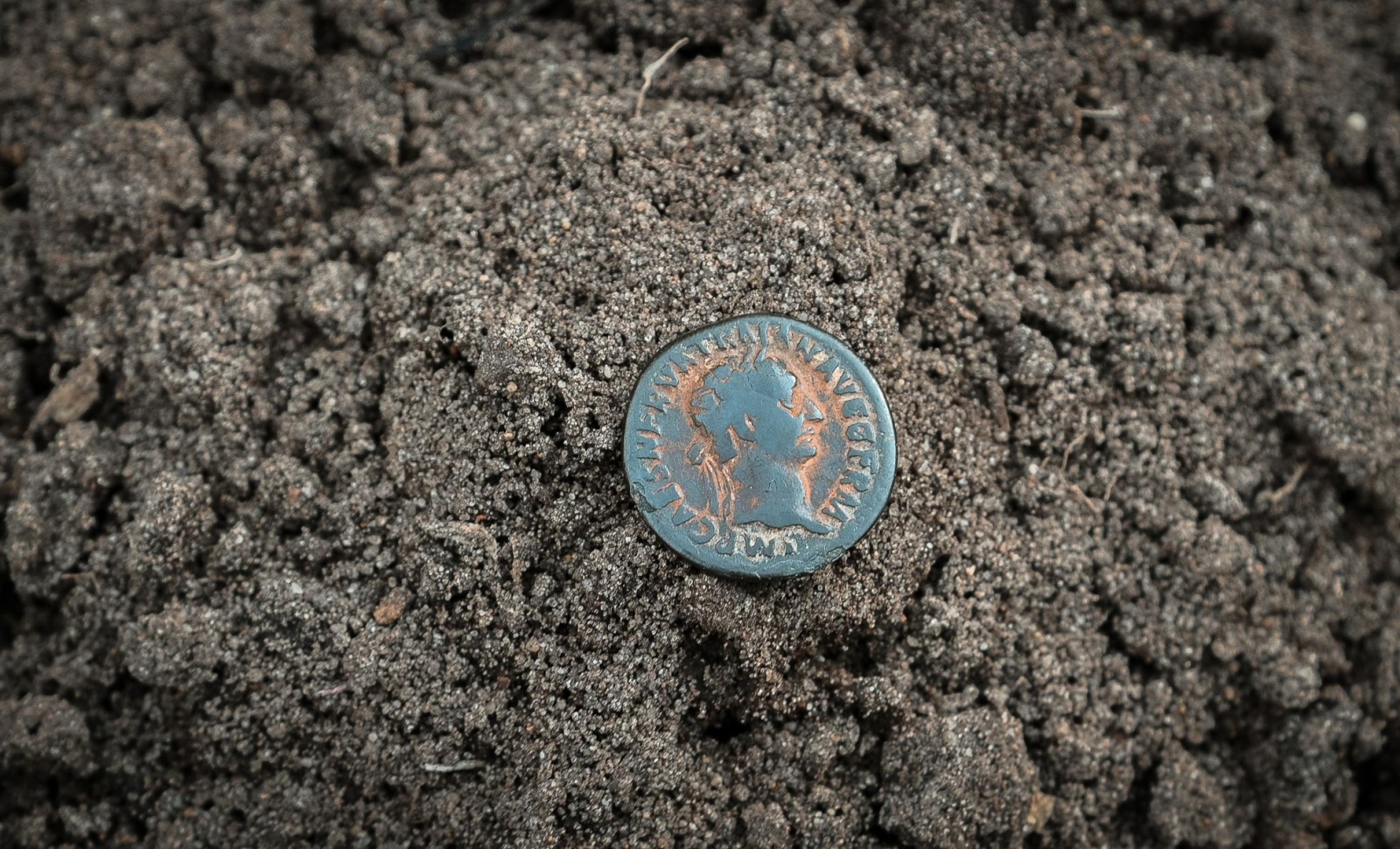
While wandering through a field in Berlin, a 13-year-old boy unexpectedly found a bronze coin dating back more than 2,300 years. This remarkable artifact, the first ancient Greek coin discovered in Berlin, has intrigued historians who are curious about how it came to rest so far from its original home.
The site where the coin emerged is an area previously examined by archeologists. Although nothing extraordinary was expected, the coin’s presence alongside other unearthed objects suggests that this location might have once served as a burial site.
The Small Coin That Tells a Big Tale
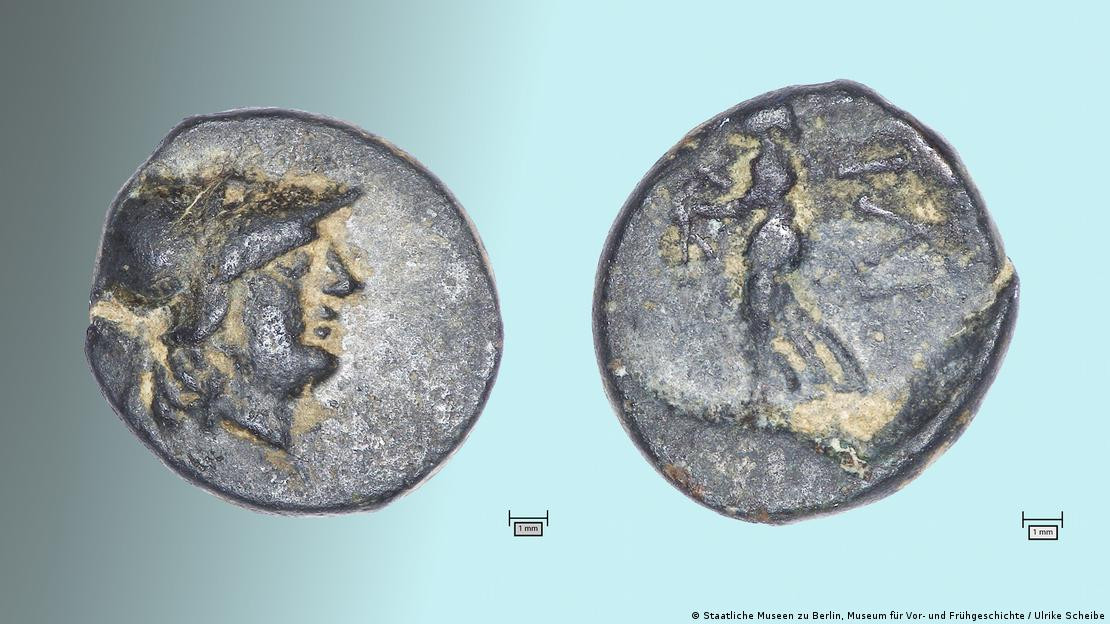
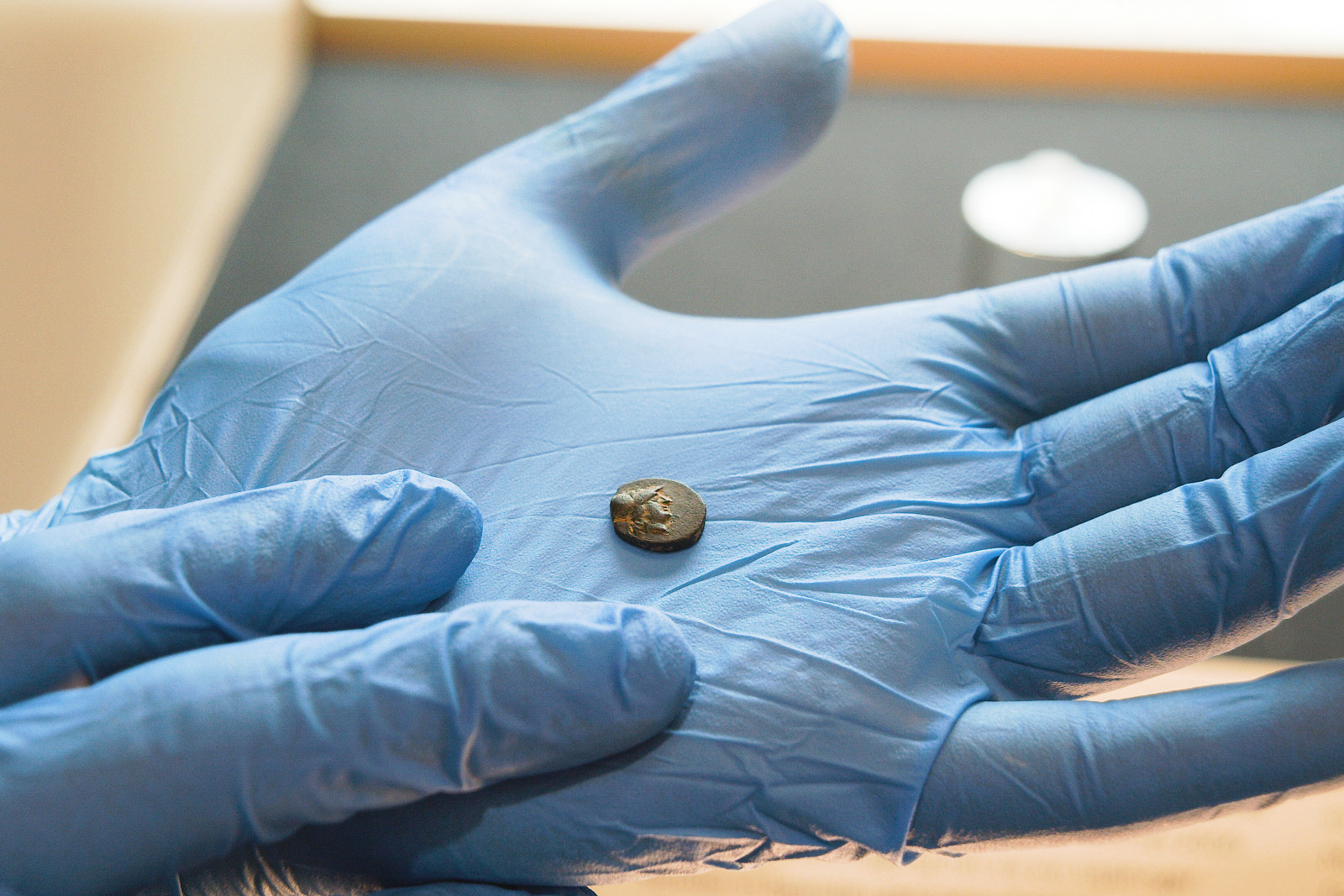
Produced in Troy, present-day Turkey, between 281 and 261 BCE, the coin displays the image of Athena wearing a Corinthian helmet on one side, and Athena Ilias wielding a spear and spindle on the other. Weighing just 7 grams (0.25 ounces), it is now part of the "Current Finds" exhibit at Berlin’s PETRI Museum. Its value likely extended beyond mere currency, as its burial context hints at symbolic significance.

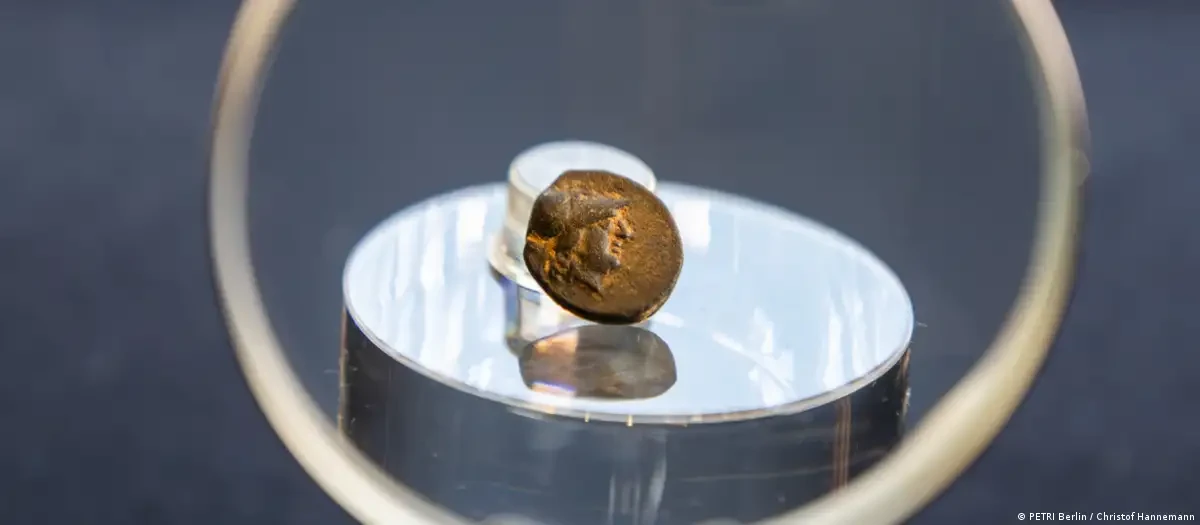
Museum experts emphasize that the coin was probably more than an accidental loss. Its size and association with a burial context suggest a ritualistic purpose, symbolizing cultural or personal meaning rather than commercial use.
It may have served as a commemorative token or a keepsake representing experiences or connections to distant regions. Archaeologist Jens Henker told Deutsche Welle:
” Metal was sometimes put in graves as a kind of grave gift. This appears to be like a souvenir, used to remember something — perhaps even an experience in one’s life.”
Unearthing a Historical Gem
Despite earlier excavations at the site, this significant find came as a surprise. In addition to the coin, artifacts such as pottery, a bronze button, and cremated human remains were uncovered, indicating the area’s use as a burial ground through various historical epochs.
The discovery supports the idea that ancient European burial sites occasionally included items imported from distant cultures. The presence of the Greek coin, far from its birthplace, hints at longstanding traditions of exchanging goods or cultural symbols, even in regions seldom visited by the ancient Greeks.
Insights into Ancient Trade Networks
This finding provokes fresh inquiries into the potential interactions between ancient Greece and Northern Europe. As Henker noted:
“The Greeks don’t write about us in Germany; they considered us barbarians. And the people here didn’t write at all, so we really depend on these finds to learn more about potential connections.” This makes the presence of a Greek coin in Berlin even more curious.
One explanation is that the coin might have traveled along ancient trade routes such as the Amber Road, which linked the Mediterranean to northern Europe.
Alternatively, the coin could have belonged to a Greek or Macedonian mercenary who came to the region. While the coin’s precise history remains uncertain, Henker reflected:
“All of these potential explanations of how the Greek coin came here are just guesses. If this coin could tell its story, it would probably be a crazy one with a lot in it.”
- Categories:
- News




0 comments
Sign in to Comment