
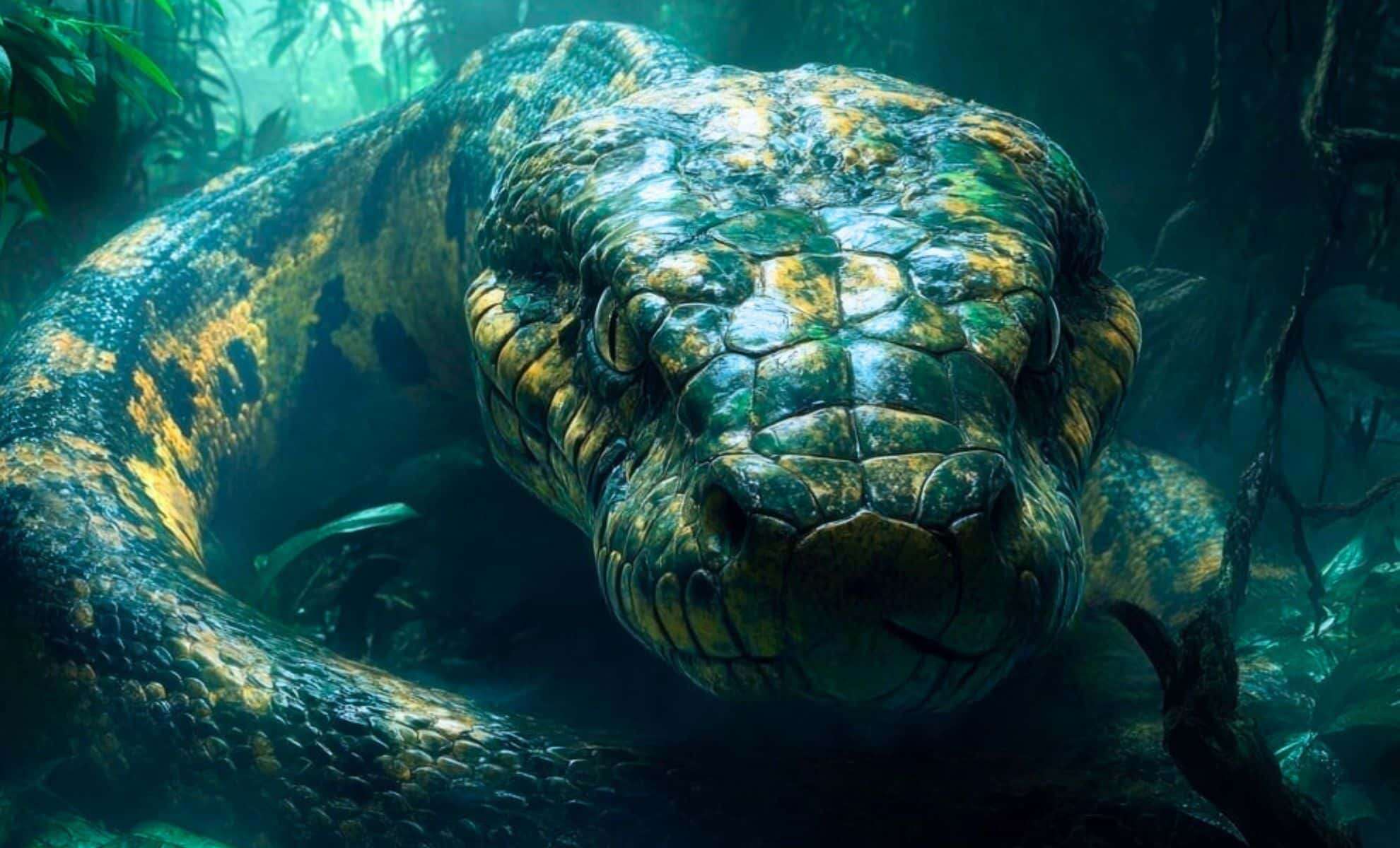
Envision a snake so immense it could stretch as long as a city bus. This giant reptile isn’t a product of imagination but a genuine prehistoric predator. The Titanoboa, roaming Earth approximately 58 to 60 million years ago, holds the record as the largest snake discovered to date. Growing up to 45 feet (13.72 m) and weighing nearly 2,500 pounds (1.13 tons), Titanoboa was a formidable force as the top predator in its ecosystem. Though it sounds almost mythical, fossils confirm this snake prowled the lush tropical forests that developed in what is now Colombia, following the catastrophic asteroid impact that ended the dinosaur era.
Discovering Titanoboa’s Ancient Remains
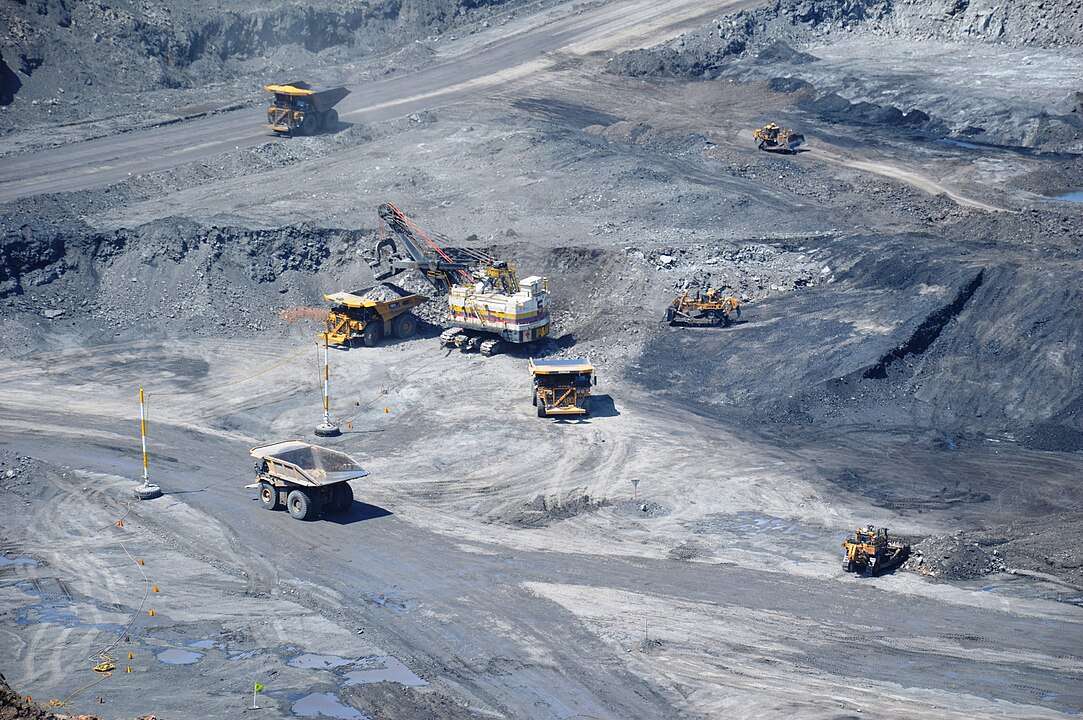
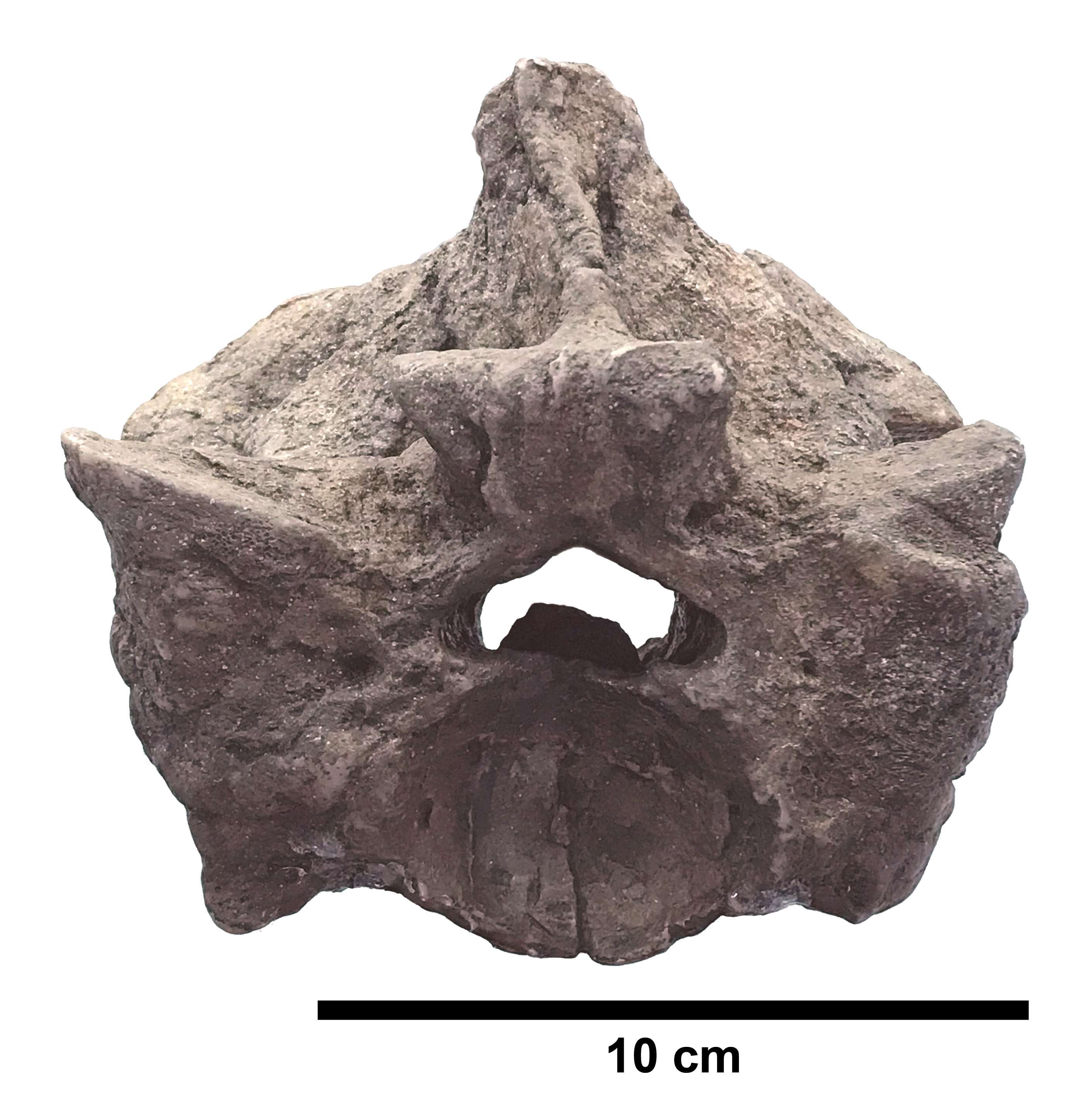
The groundbreaking discovery of Titanoboa came in 2009 after scientists excavated fossils deep inside a coal mine located in Colombia. Published in Nature, the fossil evidence uncovered an enormous species that challenged our understanding of prehistoric life.
Living during the Paleocene Epoch, a period marked by a much warmer global climate, Titanoboa thrived in the humid, tropical ecosystems spawned by the dramatic environmental changes after the asteroid event. The richness and temperature of this environment fostered the development of gigantic creatures previously unseen.

Beyond fossils, researchers like Carlos Jaramillo from the Smithsonian Tropical Research Institute have constructed life-sized replicas of Titanoboa, providing an incredible perspective on its immense scale. Viewing these models up close offers a powerful glimpse into the presence such a colossal snake would have commanded.
Unrivaled Dimensions of Titanoboa
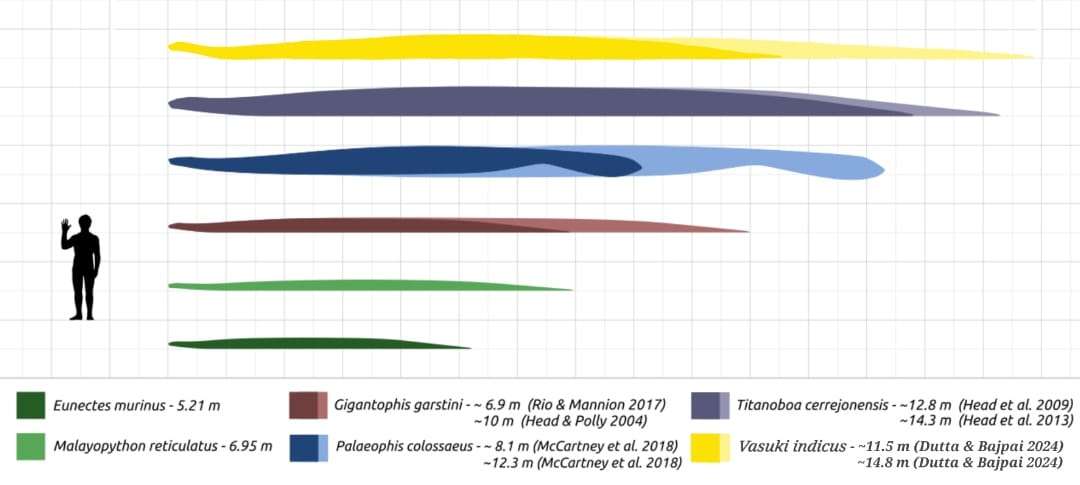
Titanoboa was truly exceptional in size compared to all known snakes. Averaging around 45 feet long, it exceeded the length of the green anaconda, currently the largest snake living today by about one-third. Its estimated weight of nearly 2,500 pounds is comparable to that of a small automobile, highlighting its incredible mass.
The enormous size of Titanoboa wasn’t a mere anomaly; rather, it adapted perfectly to the climatic and environmental conditions of the Paleocene. According to expert Jaramillo, the combination of sweltering heat, high humidity, and plentiful resources in tropical rainforests created the ideal habitat to sustain such huge reptiles, much like how modern giant snakes survive in similar habitats.
The Ancient Habitat of Titanoboa
Titanoboa shared its environment with other remarkable megafauna, including 13-foot crocodiles and 8-foot turtles, inhabiting a world very different from today’s ecosystems. In the early Paleocene, following the extinction of dinosaurs, mammals remained small and were just beginning to diversify. During this period, Titanoboa and other giant reptiles seized the ecological openings left by the vanished dinosaurs.
Due to its massive bulk, Titanoboa likely inhabited terrestrial environments near water sources, relying on aquatic and terrestrial ambush predation rather than active pursuit. It used stealth and patience to catch prey, and fossil data suggest that some animals, such as turtles, occasionally survived its attacks, underscoring the snake’s powerful hunting capabilities.
Unraveling Titanoboa’s Extinction
The reasons behind Titanoboa’s disappearance remain uncertain. Although the exact timing and cause are unclear, shifts in global climate are believed to have been a major factor. As the planet gradually cooled, the hot, humid environments essential for Titanoboa’s survival diminished. This climatic change favored smaller-bodied species, setting the stage for today’s diverse animal populations.
Nevertheless, a lingering question remains about the possibility of a creature of Titanoboa’s scale existing again. Paleontologist Jonathan Bloch from the University of Florida expresses doubts, largely due to the severe environmental disruptions humans have caused.

The ongoing destruction of tropical rainforests continues to threaten the former habitats of Titanoboa. While rising global temperatures might theoretically allow for such large reptiles to flourish, the extensive damage from human activities makes their resurgence increasingly improbable.
- Categories:
- Science




0 comments
Sign in to Comment