
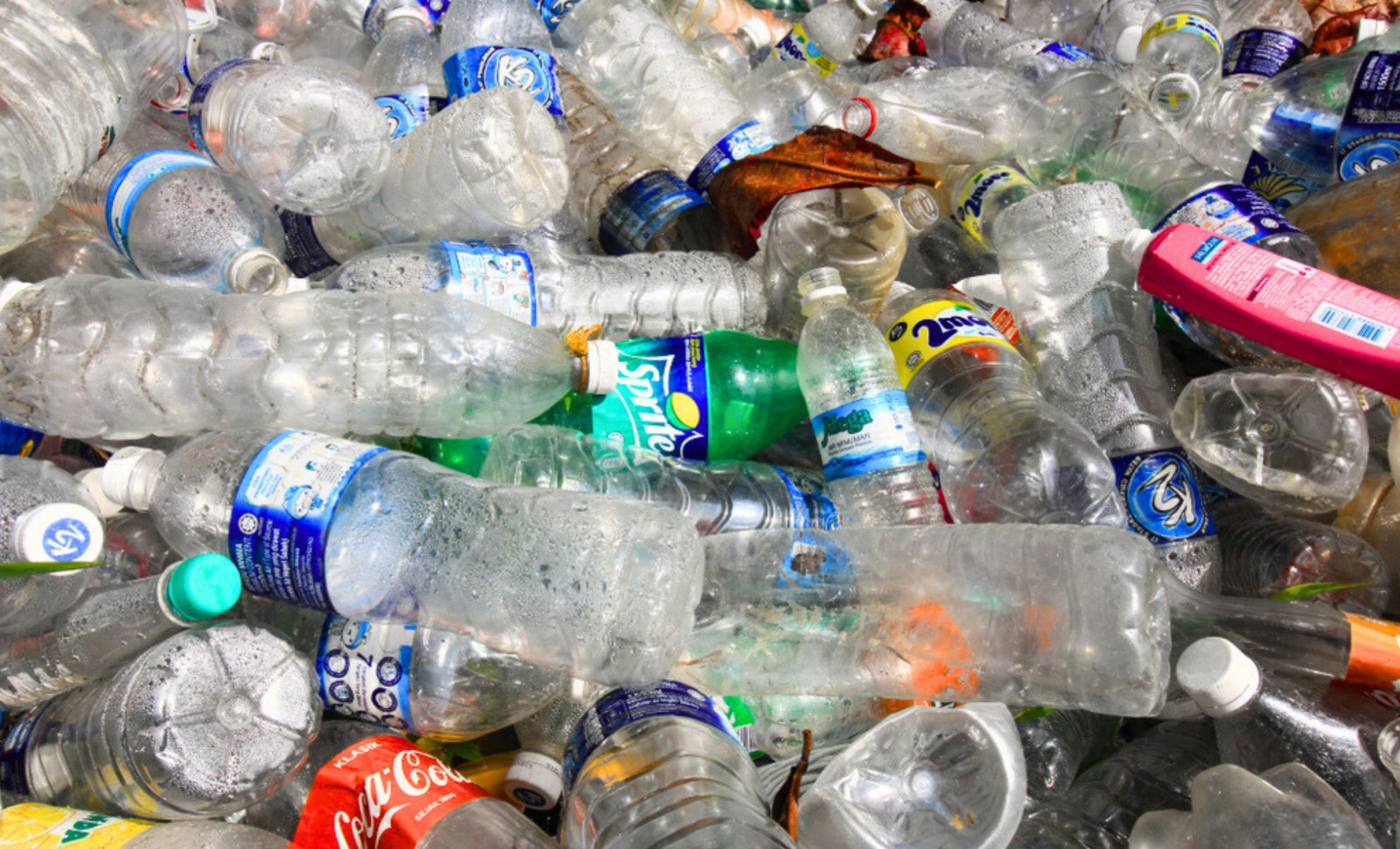
While the global plastic crisis is often linked to marine pollution, landfill buildup, and excessive single-use items, a less recognized but urgent threat involves plastic waste serving as a household energy source. This isn’t through formal recycling or energy recovery, but as an informal substitute for traditional fuels like wood, charcoal, or gas used daily by millions of people.
In rapidly expanding urban areas of the Global South, conventional fuel options are often limited or unaffordable. Waste management systems frequently struggle or fail to cope. Faced with this, communities increasingly rely on plastic waste—flammable and readily available—as a solution to meet their energy needs.
Concurrently, the cycle of plastic production, disposal, and reuse proceeds with minimal regulation. In many middle-income and developed countries, black plastic kitchenware made from recycled materials has entered consumer markets legally. However, these products sometimes harbor chemicals originally applied as flame retardants in electronic waste.

Study Highlights Widespread Use of Plastic Waste for Household Energy Across Continents
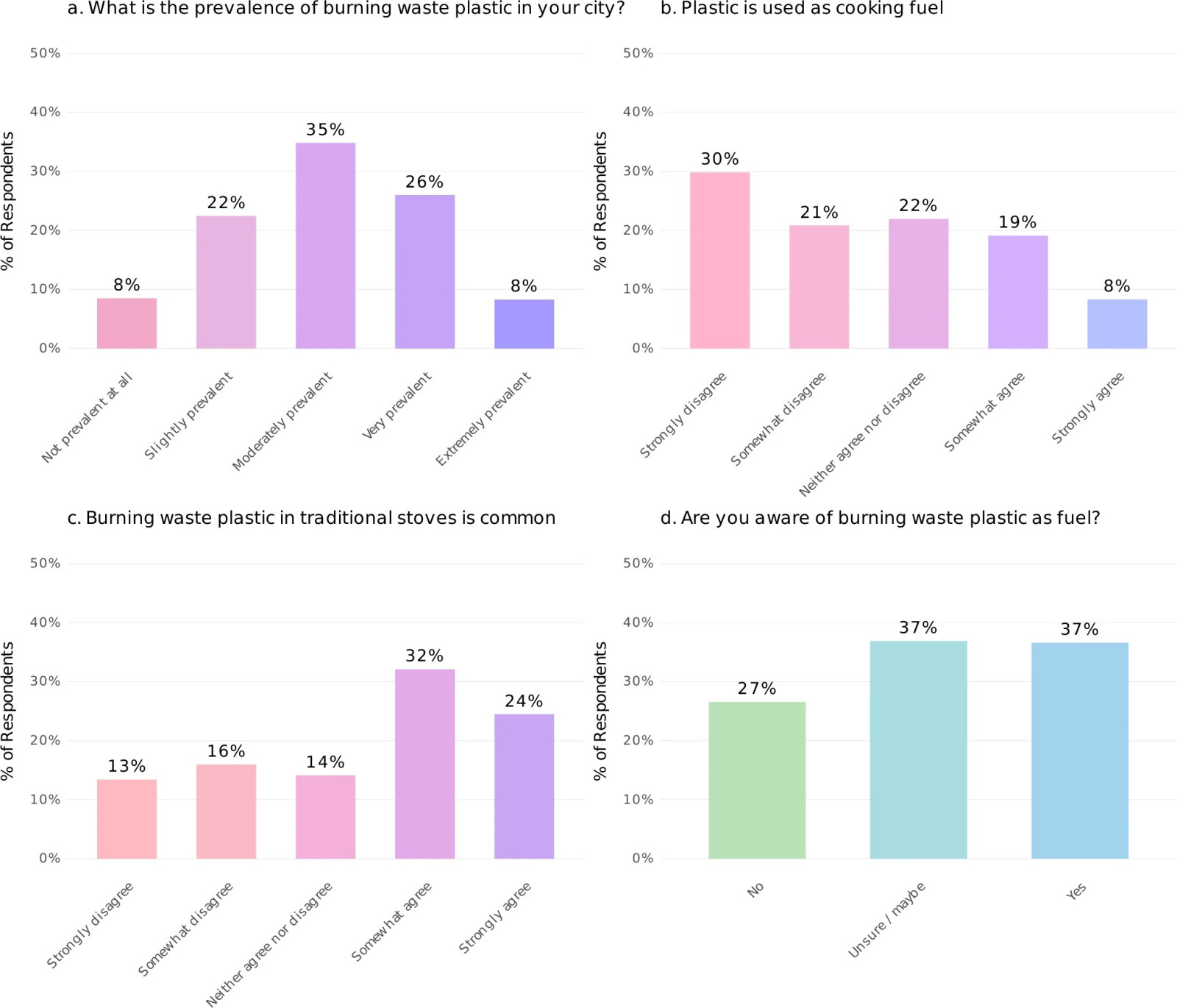
A peer-reviewed article published in Nature Communications gathered data from 1,018 informants across 26 countries in Africa, Asia, Latin America, and Oceania. These participants, selected for their insight into low-income urban living conditions, shared observations on plastic waste burning in homes. Though not nationally representative, the survey offers a cross-sectional insight into this practice in diverse urban settings.
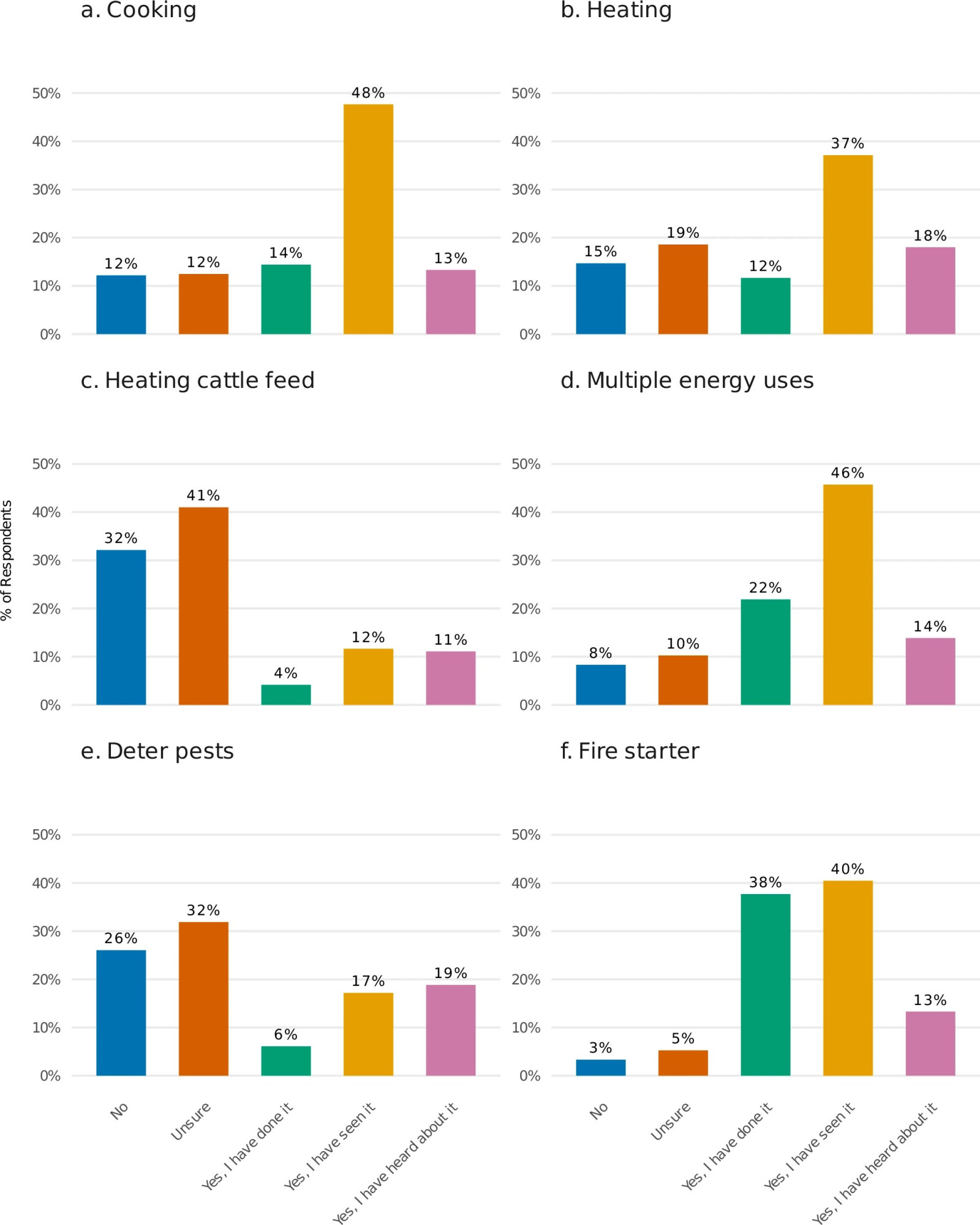
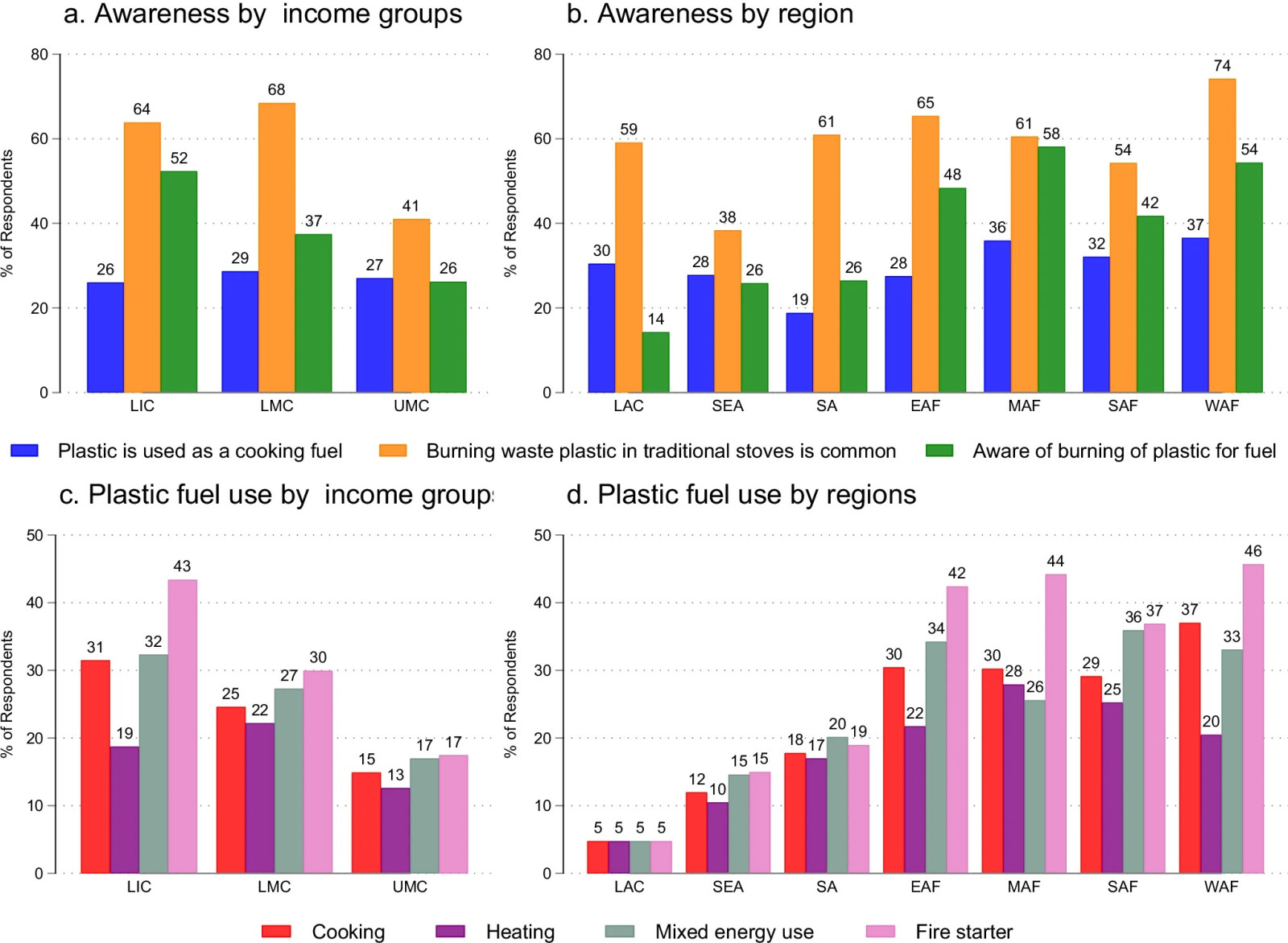
Results indicate that burning plastic for cooking and heating is common. About 16% of respondents admitted to using plastic waste as fuel within the past year, while an additional 48% witnessed this behavior in others. The practice is especially prevalent in places with poor waste collection, scarce fuel resources, and high informal settlement populations.
Frequently burned items include packaging like food wrappers, polyethylene bottles, plastic bags, and containers formerly holding pesticides or cleaning agents. These are composed of polymers such as polyethylene (PET), polypropylene (PP), and polyvinyl chloride (PVC), all of which emit hazardous substances when ignited, particularly indoors or in places with poor airflow.
Plastic is seldom burned alone; households typically combine it with wood, charcoal, or agricultural crop residues in a practice called fuel stacking. Traditional stoves like open three-stone fires, charcoal burners, and mud ovens, lacking filters or exhausts, increase exposure to toxic emissions.
Underlying Causes: Energy Insecurity and Waste Collection Failures
The research linked this plastic fuel use to intertwined social, economic, and infrastructural issues. In cities where waste collection is ineffective or nonexistent, residents often resort to managing plastic waste themselves. At the same time, access to affordable clean cooking fuels like liquefied petroleum gas (LPG), biogas, or ethanol remains limited or cost-prohibitive for many.
As accessibility to traditional biomass dwindles due to deforestation or rising prices, plastic emerges as a no-cost, easy-to-burn alternative. This trend is notably widespread in South and Southeast Asia, along with parts of sub-Saharan Africa.
Previous research from the World Bank’s Multi-Tier Framework for Energy Access noted that 13% of households in northwest Nigeria use waste, including plastics, as fuel. The authors mention that, despite limited robust data, anecdotal information from countries like Guatemala and Eswatini corroborates these findings.
Participants in the Nature Communications study cited three main reasons for burning plastic: lack of affordable alternatives, low knowledge about health risks, and poor municipal waste services. They generally viewed plastic use as an unavoidable compromise rather than a preferred energy source.
Hazardous Contaminants Found in Recycled Kitchen Plastics
In a related investigation, researchers from the Amsterdam Institute for Life and Environment analyzed chemical residues in black plastic kitchen utensils. Their study, published in Chemosphere, found that 85% out of 203 items tested contained harmful flame retardants, including decaBDE, a brominated chemical banned in the EU and regulated worldwide under the Stockholm Convention.
These chemicals were originally applied to electronic device housings, such as TVs and computers. Poorly controlled recycling processes have transformed these plastics into utensils like spatulas, ladles, and storage containers. When heated during cooking, toxic chemicals can leach into food.
Some utensils exhibited flame retardant concentrations exceeding 22,000 milligrams per kilogram, nearly 3% of the item’s weight. Estimations suggest that daily use could result in ingestion of over 30,000 nanograms of toxic substances — surpassing intake levels from usual household dust or diet.
This issue is tied to the use of recycled black plastic sourced from mixed waste streams. Because the black coloring conceals contaminants, this material is frequently repurposed from electronic and industrial waste. Despite its broad use in household kitchenware, regulation remains insufficient in many markets.
Data Gaps and Policy Challenges Remain
The researchers emphasize that although clear patterns emerge, critical gaps in evidence persist. The Nature Communications study utilized informant reports rather than direct data from individual homes and aimed to capture local knowledge rather than precise prevalence rates.
Moreover, scientific understanding of the long-term health effects of repeated exposure to plastic smoke, particularly in informal urban settings, is limited. Health risks include inhalation of toxic dioxins, furans, heavy metals, VOCs, and secondary contamination of food and water supplies.
The intersection of energy scarcity and inadequate plastic waste management creates complex challenges for public policy. Without simultaneous improvements in waste disposal systems, access to clean cooking solutions, and stronger product safety regulations, exposure to harmful environmental pollutants is likely to continue.
- Categories:
- Science












0 comments
Sign in to Comment