
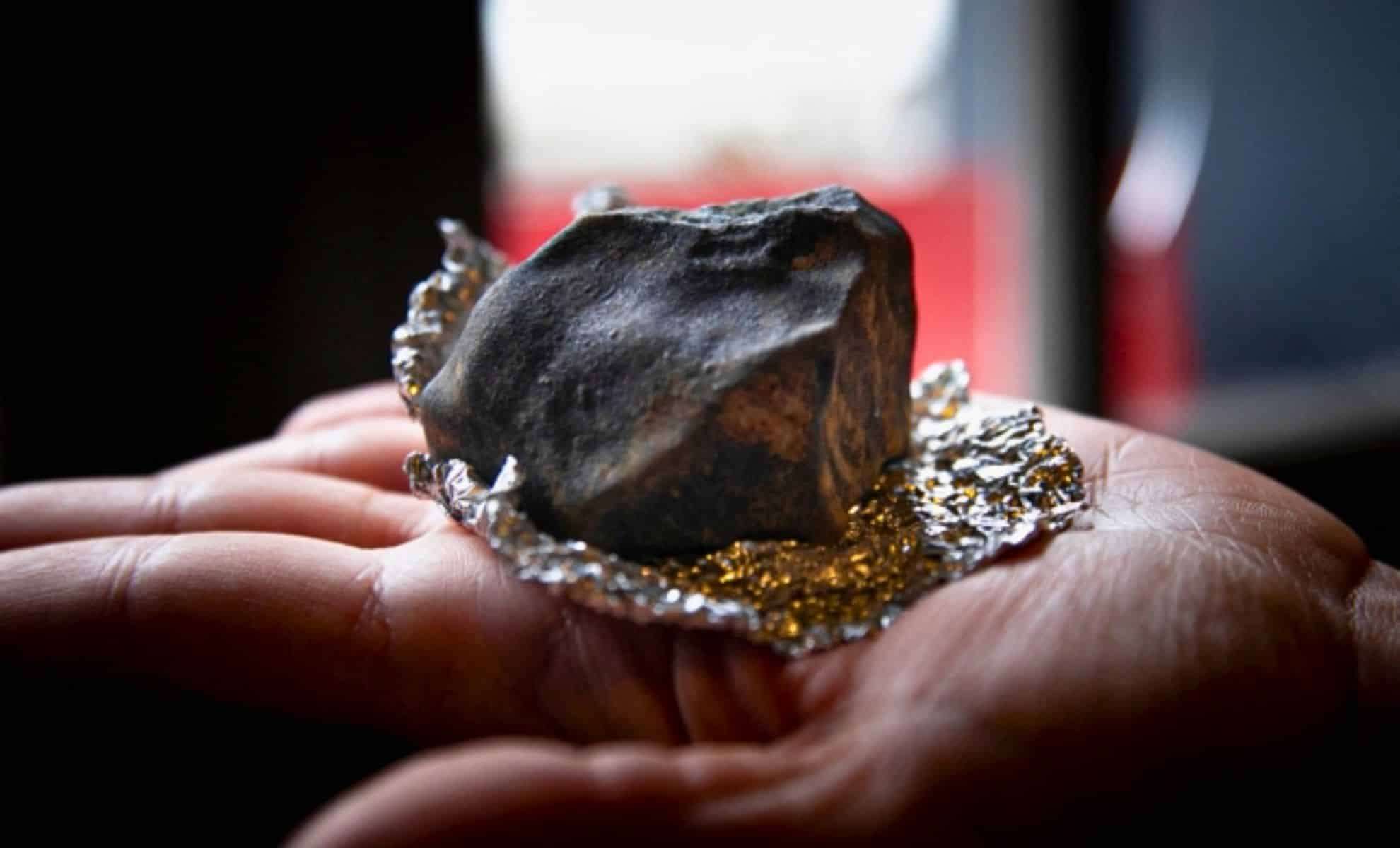
One seemingly typical February day, a brilliant flash illuminated the sky above northwestern France. Although many observers might have thought it was just a meteor or shooting star, this phenomenon was actually a rare celestial event: a space rock entering Earth's atmosphere. This remarkable occurrence quickly triggered a coordinated response from scientists and meteorite enthusiasts.
Spanning two years, researchers endeavored to identify the meteorite's source, collect its fragments, and piece together its atmospheric journey. Their comprehensive study—recently published in Nature Astronomy—unveils the unexpected path of this distinctive cosmic visitor.
Seven Hours of Forewarning
The initial observation of the object came a notable seven hours before it impacted Earth. A Hungarian astronomer detected it roughly 200,000 kilometers away, setting off a global alert among observatories. Thanks to this early notice, scientists at NASA and the European Space Agency (ESA) were able to precisely calculate its trajectory.

This event marked only the 11th time an asteroid had been tracked before striking Earth. Even more impressive, fragments from this space rock were successfully retrieved, an occurrence documented in just four of these 11 events.
Global Effort from Sky Observation to Retrieval
After 2023 CX1 blazed across the skies of northwestern France, both amateur and professional astronomers acted swiftly. The FRIPON/Vigie-Ciel network, established to spot and collect meteorites, quickly gathered numerous photos and videos shared by the public.
“We received dozens of photos and videos” of the asteroid’s journey, said Brigitte Zanda, a meteorite specialist from the National Museum of Natural History in Paris. One video, in particular, proved to be “extremely useful video showing the object fragmenting, which lets us see how many pieces it broke into – and how this happened.”
By leveraging insights from the public and social media footage, scientists were able to analyze the event with remarkable detail, achieving what Zanda termed “unmatched precision.”
Shattering in the Upper Atmosphere
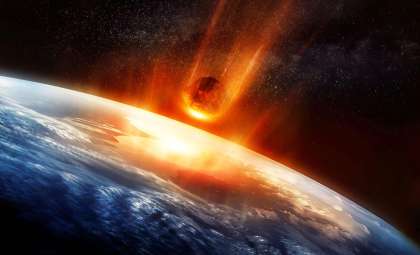
At approximately 4:00 pm local time on February 13, 2023, the asteroid entered the Earth’s atmosphere, beginning to break apart roughly 28 kilometers above the surface. According to Zanda, the disintegration was "very brutally in two stages," with about 98 percent of its mass lost during descent. This rapid fragmentation unleashed intense energy, lighting up the sky with fiery fragments.
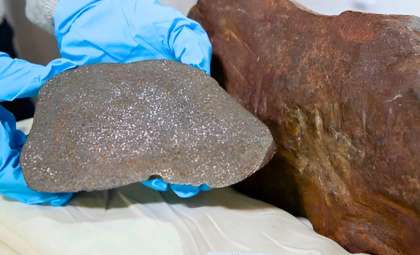
The earliest meteorite, weighing 93 grams, was recovered just two days later in Saint-Pierre-le-Viger, France. Ultimately, scientists collected around a dozen pieces, which were added to the country’s national meteorite archives.
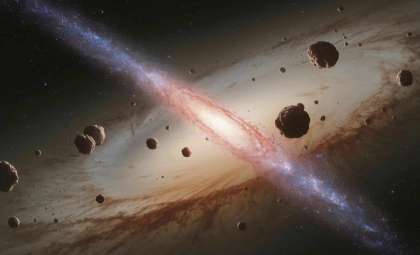
Researchers traced 2023 CX1’s origins back to the Massalia asteroid family, a cluster of space rocks located within the asteroid belt between Mars and Jupiter. Although relatively small, the meteorite’s fragmentation pattern was surprisingly severe.
A Fragmentation More Hazardous Than Expected
Even though 2023 CX1 weighed only about 650 kilograms before entering Earth's atmosphere, its rapid two-phase breakup challenged previous understanding of how asteroids behave. Computer models showed this kind of sudden fragmentation could be more threatening in certain scenarios compared to a gradual breakup.
Zanda drew a comparison to the 2013 Chelyabinsk meteor in Russia, where a much larger asteroid, around 20 meters wide, disintegrated in waves, causing broken windows and injuring over 1,000 people despite each fragment delivering low amounts of energy.
Conversely, 2023 CX1 lost 98 percent of its mass within seconds, releasing a concentrated energy burst. Had it fallen over a heavily inhabited region, the consequences might have been far more severe.
- Categories:
- Space





0 comments
Sign in to Comment