
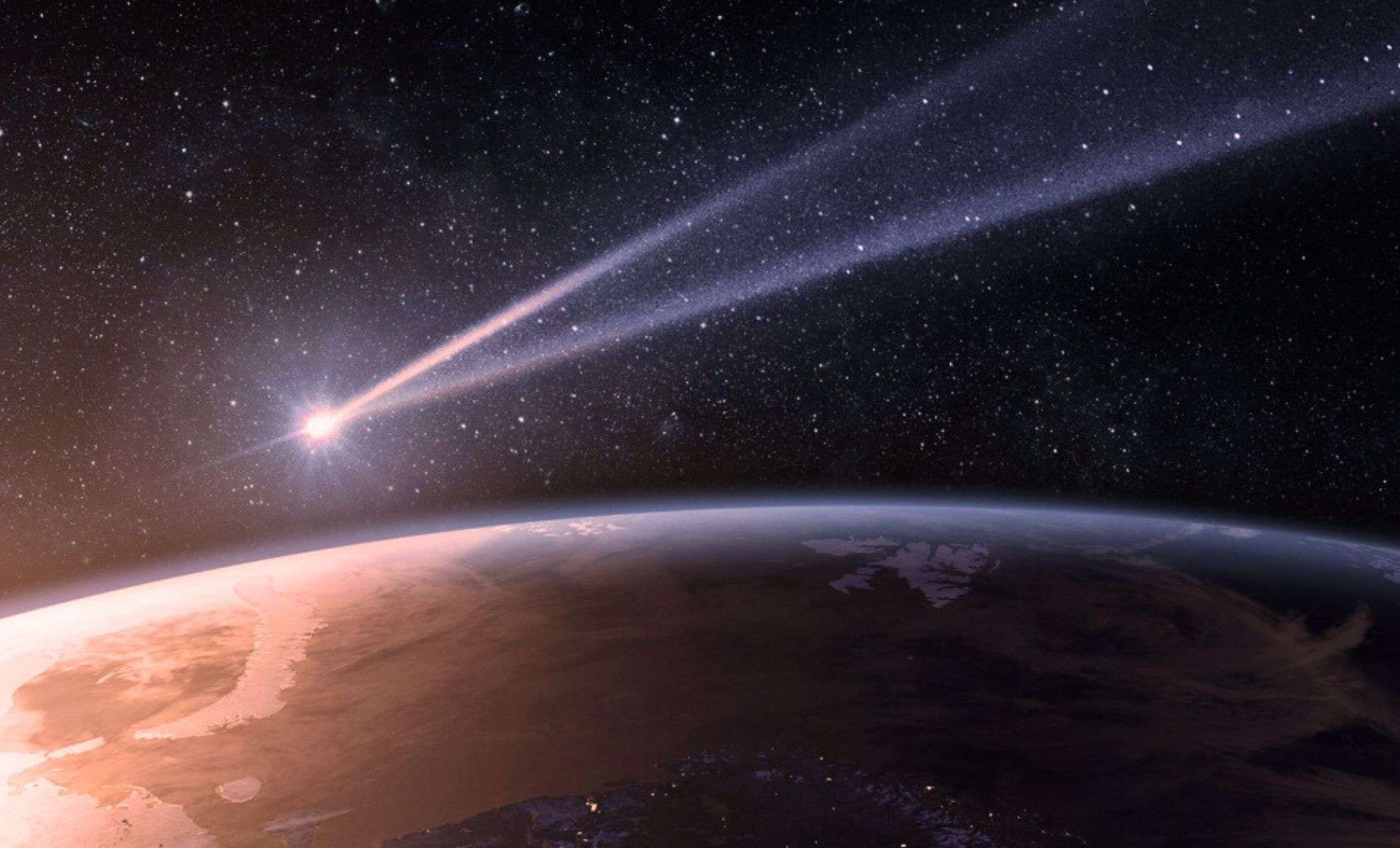
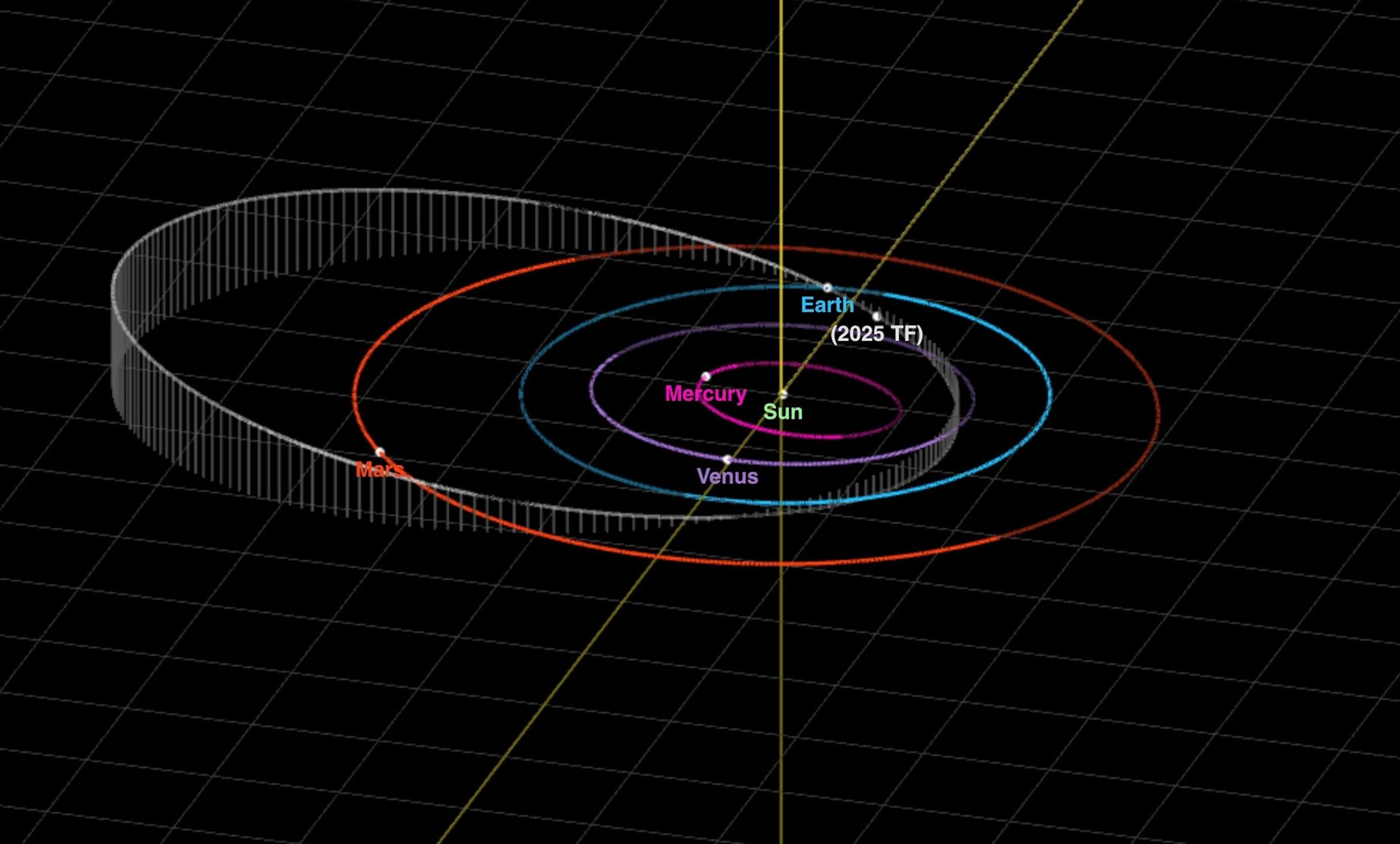
Last week, a small asteroid roughly the size of a car passed extremely close to Earth, clearing the planet by a distance less than many satellites orbit at. Remarkably, it was only identified several hours after its close approach. The European Space Agency (ESA) announced on Monday that this object, known as 2025 TF, was initially detected by NASA’s Catalina Sky Survey just after it had already whizzed past Earth.
On October 1st, the asteroid approached within a mere 428 kilometers (265 miles) of our planet's surface, crossing directly above Antarctica during the early morning hours. To put this in context, the International Space Station (ISS) orbits at altitudes ranging from 370 to 460 kilometers, meaning 2025 TF crossed Earth's vicinity at comparable elevation, but unnoticed at the time.
Measuring only between 1 and 3 meters in diameter, this asteroid presented no significant threat. Still, its near-undetected passage has renewed discussions on the limits of current surveillance systems designed to give early alerts for near-Earth objects (NEOs). Scientists found themselves rushing to determine its orbit and implications with only minimal warning.

The ESA’s Planetary Defence Office described the post-passage identification as a “success in fast-response coordination,” while also acknowledging the challenge that, despite advancements in surveillance technology, numerous small close encounters with space debris are likely overlooked until identified retrospectively.
Detecting the Near-Miss: The Story Behind 2025 TF
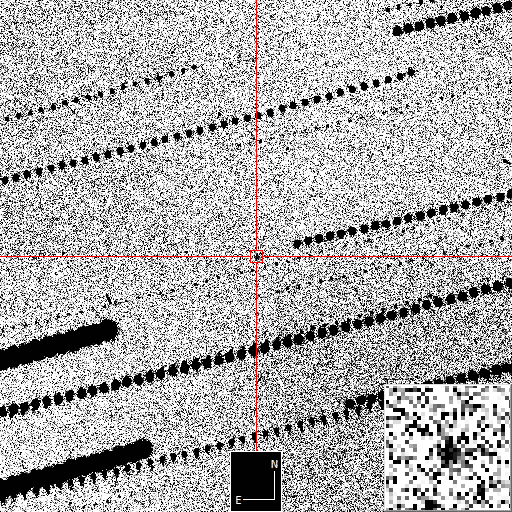
Initially spotted by the Catalina Sky Survey, a NASA-supported program located in Arizona, researchers tracked 2025 TF by employing data from the Las Cumbres Observatory based in Siding Spring, Australia. This allowed them to ascertain its trajectory with precision down to 00:47:26 UTC ±18 seconds, according to ESA.
ESA astronomers including Toni Santana-Ros, Marco Micheli, and Fabrizio Ocaña coordinated these swift observations, which the agency called “an impressive accomplishment” given the object's small size and the short timeframe involved.
Asteroid 2025 TF is categorized among sub-critical asteroids—objects too small to be considered highly hazardous but capable of creating noticeable fireballs if entering Earth’s atmosphere. Depending on their structure and angle of entry, they might disintegrate spectacularly or leave behind small meteorite fragments.
According to NASA’s Center for Near-Earth Object Studies (CNEOS), asteroids smaller than 25 meters typically aren’t deemed Potentially Hazardous Asteroids (PHAs). However, the near approach of 2025 TF serves as a reminder of past incidents such as the 2013 Chelyabinsk event, when a 20-meter asteroid exploded over Russia, injuring more than 1,500 people.
Flying Lower Than Many Satellites
The truly remarkable aspect of 2025 TF is its extremely low altitude passage. Many of Earth's satellites—including those used for observation, communications, and even Starlink internet services—operate within the low Earth orbit (LEO) band, which spans roughly from 160 km to 2,000 km above the surface.
By traveling just 428 km overhead, 2025 TF ventured inside the LEO region, closer than numerous manmade satellites. Had its path been marginally different, it might have posed collision risks—not with Earth but with orbiting satellites.
With the rising number of satellite megaconstellations, concerns grow about untracked objects intersecting orbital infrastructure. The Union of Concerned Scientists’ Satellite Database lists over 8,000 active satellites in operation today, with projections indicating tens of thousands more will join in the future.
Though direct collisions with such objects are improbable, both ESA and NASA stress the importance of accelerated detection and automated threat response systems, even for smaller asteroids.
Another Near-Earth Visitor Just One Day Later
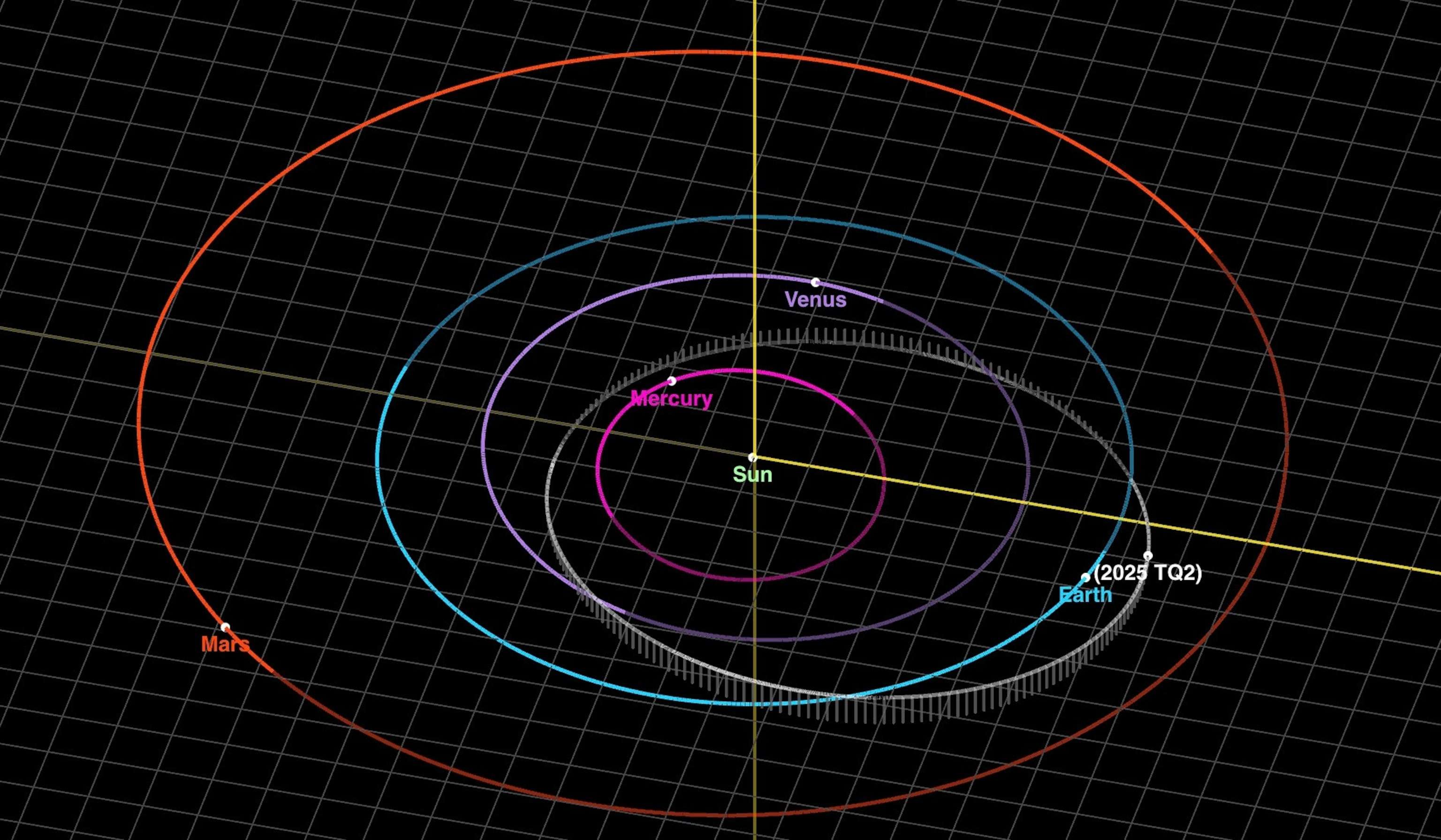
Interestingly, 2025 TF wasn’t the sole close asteroid last week. On October 2nd, asteroid 2025 TQ2 passed Earth at a greater distance of 4,850 kilometers, still classified as a close encounter. This object traveled over Canada and was monitored by the Minor Planet Center, with coverage by EarthSky.
Although 2025 TQ2 did not threaten a collision, its appearance highlights a larger trend: the increasing frequency of near-Earth object observations, largely due to enhanced detection capability. NASA reports that between September 23 and 28, ten asteroids passed within lunar distance, setting a record for that time span.
While none posed danger, the rise in small object flybys raises critical questions about how we manage satellite safety in an era increasingly dependent on orbital assets. Even a modest 3-meter rock could have serious consequences if it struck vital infrastructure in space.







0 comments
Sign in to Comment