
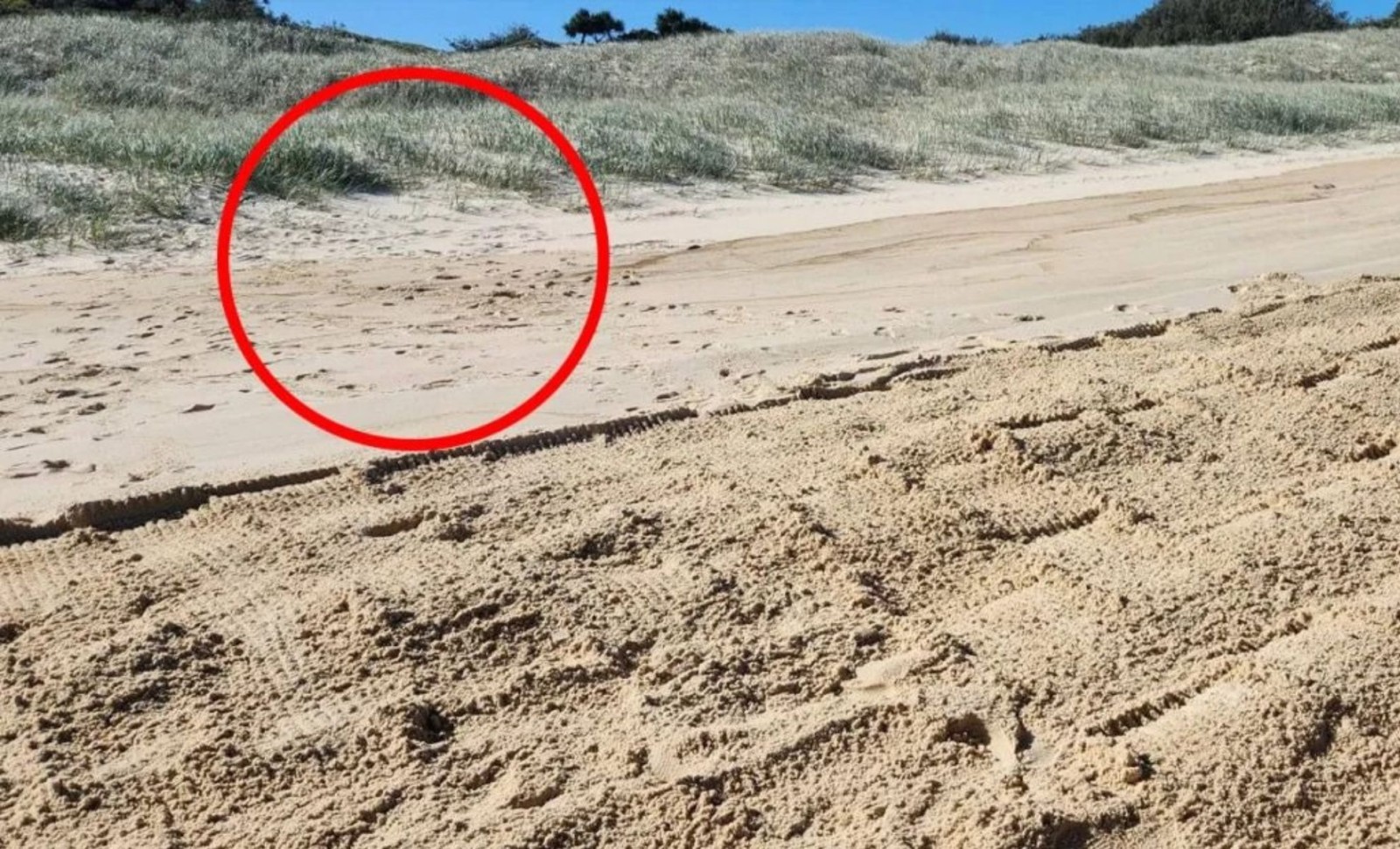
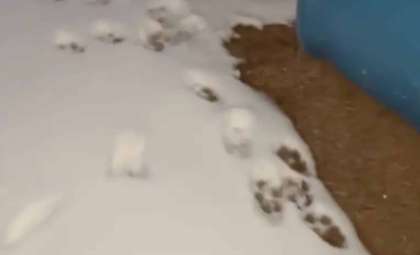
At the break of day along the breezy shores of Teewah Beach in Queensland, Australia, faint, delicate trails appeared on the sand, tracing a path from a slight dip in the dunes toward the sea. This subtle pattern marked more than just the emergence of green sea turtle hatchlings; it represented the successful outcome of a dedicated conservation campaign confronting threats from tidal shifts, vehicular damage, and habitat fragmentation.
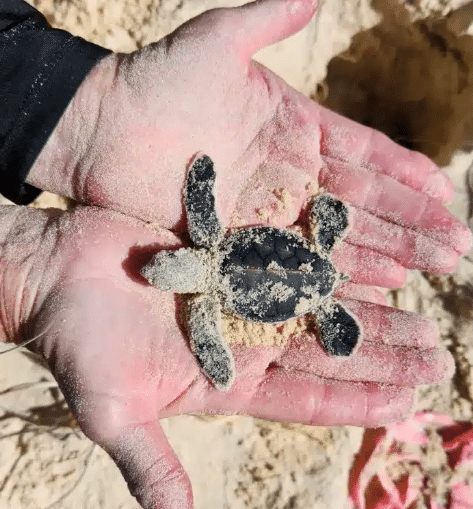
Out of a clutch of 91 eggs, 85 hatchlings successfully made their journey to the ocean, an impressive achievement given the species' endangered status. This success stems from the careful efforts of Cooloola Coast Turtle Care, a volunteer organization devoted to protecting vulnerable nesting areas along Australia's increasingly trafficked coastal regions.
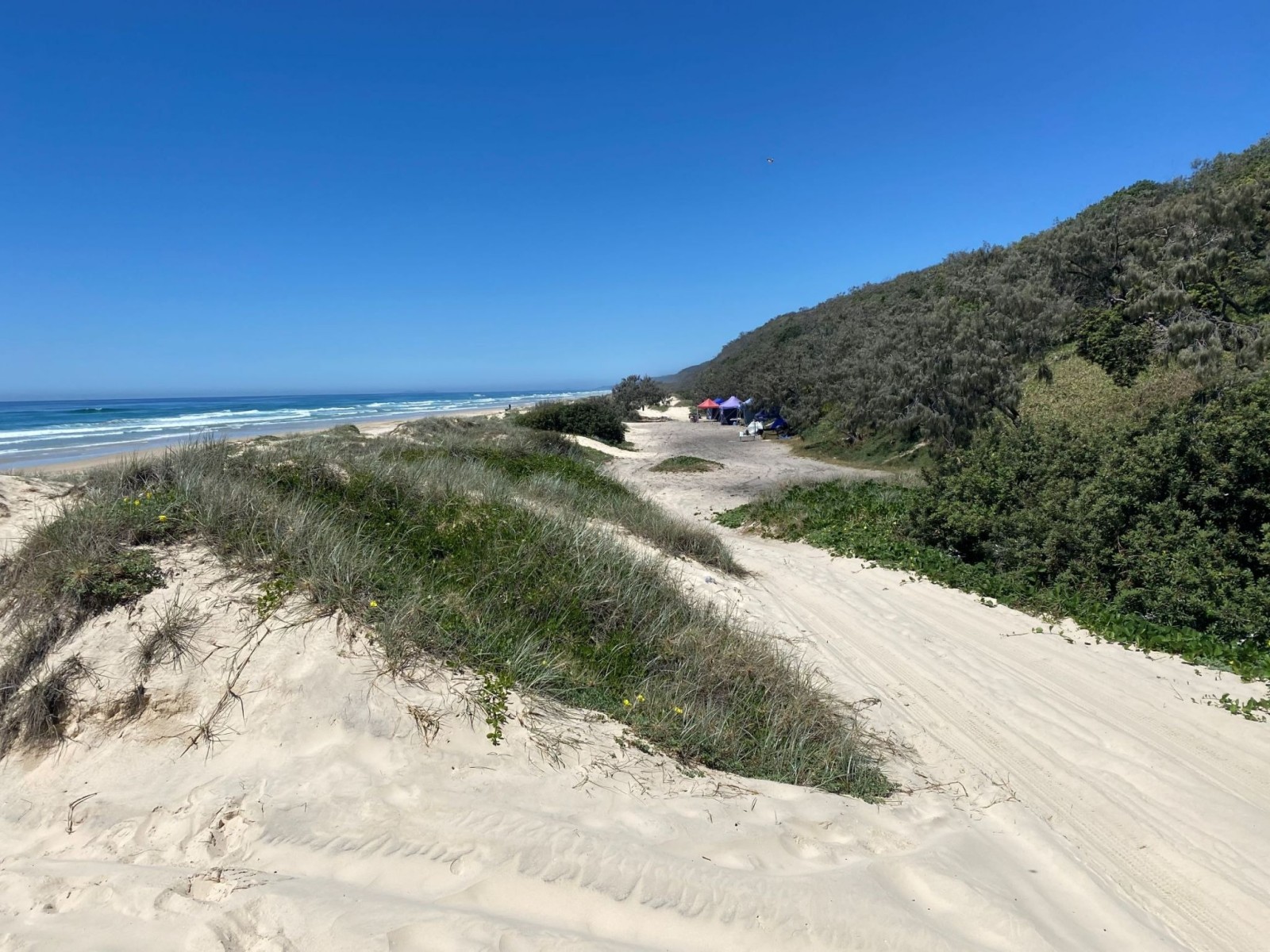
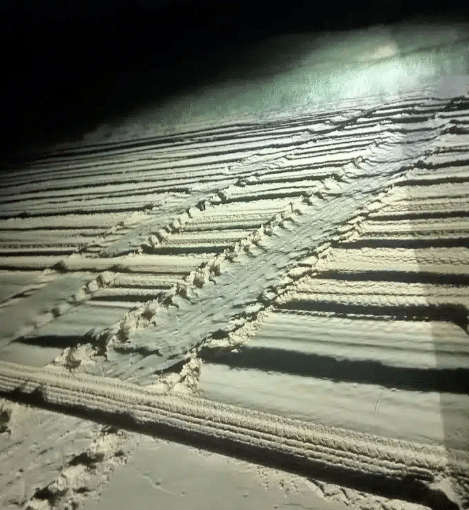
Despite their dedication, these volunteers face significant hurdles. Four-wheel-drive vehicles frequently traverse Teewah Beach, a hotspot for off-road adventures. The deep tire tracks left behind can prove fatal for newborn turtles by diverting them away from the ocean or expending their limited energy reserves. Occasionally, vehicles have crushed key nesting sites, damaging eggs just beneath the sand's surface.

The Struggle Between Turtles and Beach Traffic
Annually, more than 30 female green sea turtles return to the Cooloola coastline to deposit eggs—a process critical to the species’ survival. However, hatchlings face dangers not only from natural predators but also from human-induced obstacles like rutted sand, artificial lighting, and expanding human presence.
Cooloola Coast Turtle Care actively mitigates these risks by smoothing tire marks, placing protective markers near nests, and assisting hatchlings when dangers are greatest. Nonetheless, this protective work is delicate; some barriers have recently been removed to permit emergency vehicles access, leaving hatchlings vulnerable.
“This area is more than just a beach—it’s a vital breeding ground,” explained Jan Waters, a principal volunteer. “We urge people to recognize the coast not simply as a recreation zone but as a fragile environment vanishing faster than we can save it.”
The challenges faced here mirror larger patterns occurring throughout Australia and elsewhere. A recent report by the Australian Marine Conservation Society highlights the rapid increase of coastal development and vehicle access, which surpass current regulations. This uncontrolled driving on beaches is a leading cause of hatchling deaths in nesting regions across Queensland and Northern New South Wales.
Community Efforts and Regulatory Limitations
In response, Cooloola volunteers have advocated for restricting beach driving to just two hours before and after low tide. This approach aims to minimize persistent tire impressions during periods when hatchlings are most vulnerable. While not officially enacted, this rule has gained some voluntary adherence from visitors.
Balancing conservation with tourism remains complex. Responsibility is divided between the Queensland Parks and Wildlife Service and local councils, causing enforcement inconsistencies. As a result, much conservation work depends on local volunteers, many retired, who dedicate early mornings and late evenings to patrolling the beach with rakes, shovels, and caution signs.
“Our role is to inform and adjust, not enforce,” Waters stated.
Some government bodies are becoming more involved. The Queensland Department of Environment has reported ongoing talks about coordinated rules for beach vehicle zones during nesting seasons. Meanwhile, volunteers continue bridging the gap left by limited wildlife patrols and scarce monitoring resources.
Hard-Won Gains Amid Persistent Threats
Celebrating 85 hatchlings this season signals progress but also highlights a grim truth: green sea turtles face an uphill battle. Under the best circumstances, only about 1 in 1,000 hatchlings survive to adulthood. Additional pressure from climate change, marine pollution, and expanding coastlines threatens to further reduce these chances.
Marine ecologist Dr. Michael Hamann of James Cook University warns that although community involvement is essential, it cannot replace comprehensive national policies. “Local actions are crucial,” he noted, “yet without formal regulations, conservation efforts place too much responsibility on too few individuals.”
Teewah Beach's situation reflects a global trend where sea turtle nesting sites—from Florida to Southeast Asia—are declining or impaired due to tourism and erosion. Many of these sites now depend on manual egg relocations or extensive protective practices to maintain minimal hatchling survival.
- Categories:
- News




0 comments
Sign in to Comment